Vacancy rates Israel real estate tell a practical story about how much space sits unused across homes, offices, shops, and warehouses. When those rates rise or fall, rents shift, construction decisions change, and households feel the difference in monthly costs. For anyone living or investing in the country, grasping the pattern behind empty units is more useful than chasing headlines.
Empty space is never random. It reflects population growth, interest costs, remote work habits, tourism cycles, and the pace of new building permits. Foundation tracks these layers so readers can separate temporary soft spots from structural change. The sections below walk through each major property segment with plain language and concrete context.
Apartment Blocks and Urban Residences Still Absorb Most Demand
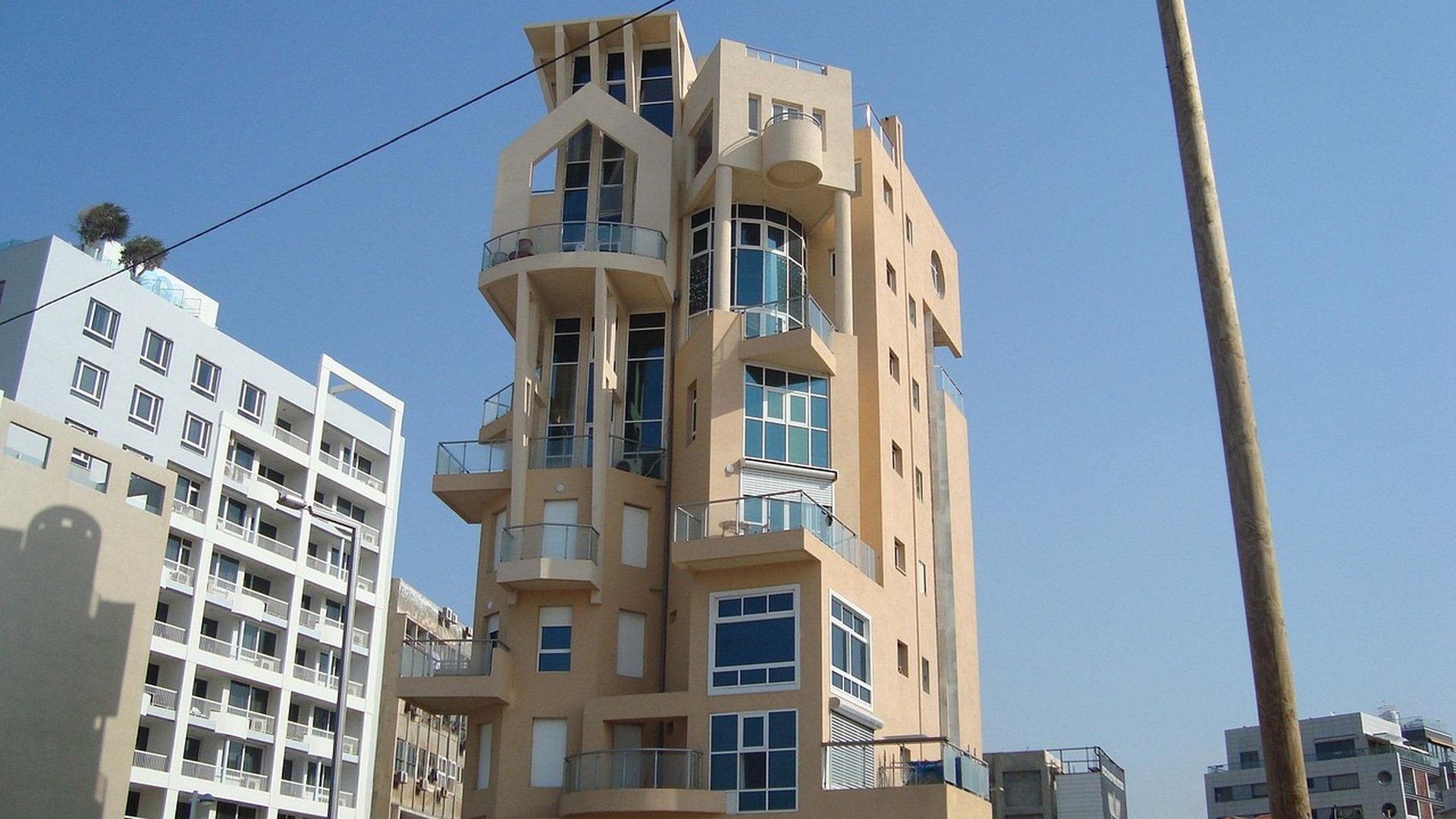
Residential vacancy across Tel Aviv, Jerusalem, Haifa, and Beersheba has stayed relatively tight for years. Young families, returning citizens, and foreign buyers keep pressure on existing stock even when mortgage rates climb. A modest rise in empty flats usually signals slower sales rather than a sudden surplus of homes people do not want.
New towers take time to fill after completion, so temporary spikes appear in newly delivered neighborhoods. Older buildings in established districts rarely stay vacant long. Official housing statistics published by the Israel Central Bureau of Statistics show occupancy staying high in core urban rings, while fringe towns sometimes post higher empty-unit figures after large projects open.
Longer-term pressure comes from birth rates and immigration. Readers who want the deeper demographic picture can explore Demographic Shifts Driving Long-Term Housing Demand in Israel for the forces that keep apartments scarce even when construction accelerates.
Office Towers Navigate Hybrid Schedules and Tech Cycles
Corporate floors tell a different tale. After 2020 many firms reduced desk counts, yet prime towers in Tel Aviv and Herzliya still attract tenants who value prestige and collaboration space. Secondary offices farther from transit hubs carry higher vacancy rates Israel real estate watchers notice first.
Technology employers dominate large leases. When hiring freezes hit, sublease space floods the market and empty floors become visible. Conversely, strong funding rounds pull companies into expansion mode and clear inventory quickly. The Bank of Israel regularly comments on how credit conditions and business confidence shape commercial leasing volumes.
Landlords have responded by converting some older office buildings into residential or mixed-use projects. That conversion pipeline slowly removes surplus space and supports healthier occupancy over time. For a broader view of how technology demand is redrawing locations, see AI Infrastructure Demand Is Reshaping Israel's Real Estate Map.
Street-Level Shops and Malls Face Changing Foot Traffic
Retail vacancy varies sharply by street and concept. High-street locations near train stations or tourist corridors keep most storefronts occupied. Indoor malls that rely on large fashion anchors have faced more pressure as online shopping grows and some international brands exit.
Neighborhood centers that mix groceries, clinics, and services usually maintain lower empty rates because daily needs do not vanish. Food halls and experiential concepts have filled many former apparel spaces. Owners who adapt layouts and shorten lease terms tend to keep occupancy steadier than those waiting for the old retail model to return.
Tourism recovery helps coastal and historic districts. When visitor numbers rise, short-term pop-up stores and restaurants absorb vacant ground floors faster. National economic outlooks from the IMF Israel country analysis provide useful context for how consumer spending power feeds into retail leasing health.
Logistics Parks and Industrial Zones Remain Tight
Warehouse and light-industrial vacancy rates sit among the lowest of any segment. E-commerce growth, defense-related manufacturing, and last-mile delivery demand continue to soak up available square meters. Sites near major highways and ports fill first; older facilities farther inland take longer yet still rarely sit empty for years.
New logistics parks under construction already have pre-leases for large portions of their space. That pre-commitment keeps published vacancy figures low even as supply arrives. Cold-storage and specialized manufacturing buildings command premiums and almost never stay vacant once finished.
Power capacity and fiber connectivity now matter as much as truck access. Facilities that can support data-heavy or automated operations attract stronger interest. Investors tracking yield movements should also review Cap Rate Trends by Asset Class in the Israeli Market because industrial assets often trade at tighter yields precisely because of their low vacancy risk.
Government Building Targets and Their Effect on Empty Space
Public housing goals influence residential vacancy more than commercial segments. When authorities raise annual unit targets, the eventual delivery wave can temporarily lift empty-home counts in specific towns. The reverse is also true: delayed infrastructure or slow permitting keeps supply short and vacancy compressed.
Recent announcements on construction volume therefore deserve close reading. The piece Government Announces New Housing Targets. Here Is What It Means for Supply explains how those numerical goals translate into actual apartments reaching the market and how that pipeline can alter occupancy percentages over two to five years.
Municipalities that pair housing quotas with rapid transport upgrades usually see new supply absorbed faster. Places that approve towers without matching schools or rail links can experience higher temporary vacancy until amenities catch up.
Interest Costs, Construction Financing, and Soft Spots
Borrowing expenses shape every segment. Higher rates slow new project starts, which eventually supports lower vacancy by limiting future supply. At the same time, expensive mortgages reduce buyer demand and can leave finished units empty longer while developers wait for pricing to adjust.
Commercial developers face the same math. When financing tightens, speculative office or retail construction freezes first. That pause protects existing landlords from sudden competition. Soft spots therefore often appear first in properties already on the market rather than in brand-new buildings that never broke ground.
Foundation readers who want scenario planning for the next cycle can turn to Israel Real Estate Market 2026: The Outlook Serious Investors Need. That outlook connects rate paths, vacancy trajectories, and capital flows without jargon.
How Ordinary Buyers and Renters Can Use Vacancy Data
Empty-unit percentages help households decide whether to negotiate harder or move quickly. High residential vacancy in a particular suburb often signals room for rent reductions or free months. Low vacancy warns that waiting may mean higher prices or fewer choices.
Office tenants can use segment data to time lease renewals. When nearby towers show rising empty floors, landlords become more flexible on fit-out allowances and free rent periods. Retail operators watch foot-traffic corridors and avoid streets already posting elevated vacancy.
Anyone seeking additional background material can browse the Israel Real Estate Market Trends archive for related coverage. Common questions about occupancy metrics also appear in the site FAQ (frequently asked questions), and shorter updates land regularly on the Blog.
Regional Differences That Numbers Alone Can Miss
National averages hide local realities. Coastal cities usually post lower vacancy than inland development towns. Jerusalem residential markets behave differently from Tel Aviv because of distinct demand drivers. Haifa industrial space often fills faster than its office stock.
Even within one city, a street with new light-rail access can show near-zero vacancy while a parallel street two blocks away still has empty storefronts. Walking the area and speaking with managing agents remains the best complement to published percentages.
Seasonal tourism also distorts short-term figures. Coastal apartments that look vacant in winter may be fully booked for summer. Smart readers therefore compare year-over-year snapshots rather than single-month prints.
Vacancy rates Israel real estate will continue to evolve with demography, technology, and policy. Watching the segments separately, rather than treating all property as one market, gives clearer signals for households and capital alike. Foundation keeps publishing fresh analysis so those signals stay accessible to every adult who wants them.
Related Foundation reading: Cross-Border Strategy: Structuring Deals Between New York and Tel Aviv.
Timeless Value. Perpetual Legacy.