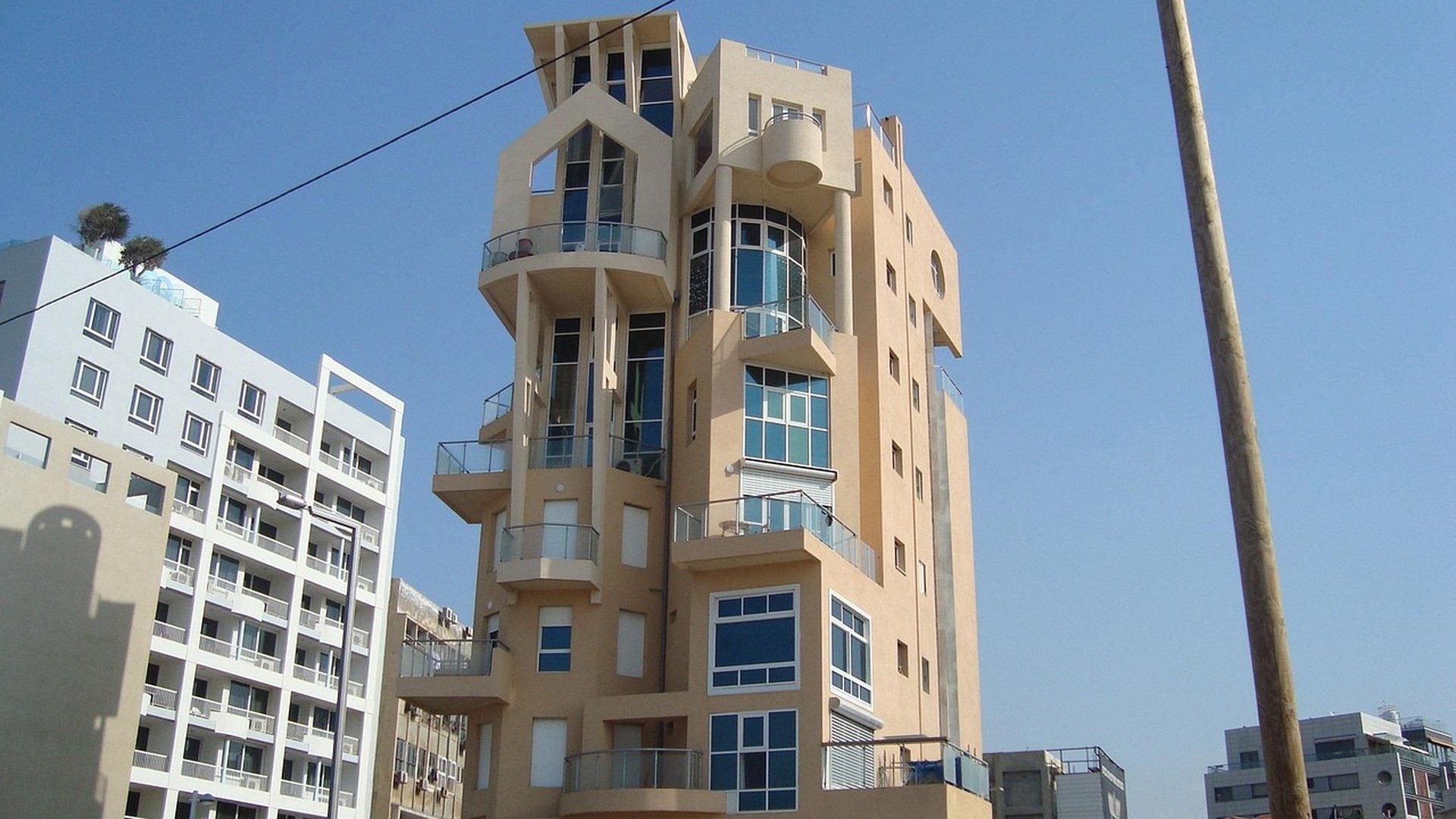
Office investment committees still receive vacancy charts built on blended national figures when Tel Aviv towers, Haifa employment nodes, and suburban business parks absorb tenant demand on separate calendars. Governed analysis of the Israel office real estate market requires submarket splits, product band notes, and lease rollover documentation foreign lenders can audit before income tranches release on broker occupancy headlines alone. This guide explains how institutional investors read office market evidence across Israel's major employment corridors without treating commercial income as a residential market derivative.
Readers exploring the Israel office real estate market should review Israel Real Estate Market 2026: The Outlook Serious Investors Need and Residential Versus Commercial Demand in Today's Israeli Market. What follows concentrates on office market mechanics, not introductory platform framing.
Why office vacancy headlines require submarket methodology
National office vacancy statistics aggregate Class A towers in Tel Aviv with older stock in peripheral districts where tenant preferences and renovation timelines diverge materially. Committees should separate vacancy reporting by submarket, building vintage, and floorplate size rather than treating one national figure as proof of uniform pricing pressure. Effective office memos name which districts drive reported vacancy movement and which segments show stable occupancy despite headline totals.
Lease abstraction also varies: some landlords report economic vacancy net of rent abatements while others publish physical vacancy without adjustment for sublease activity or mothballed floors awaiting renovation capital. Standardizing these definitions before committee comparison prevents false signals when two buildings in the same district report incompatible occupancy metrics sourced from different property managers.
Macro cycle context for office underwriting appears again in Israel Real Estate Market 2026: The Outlook Serious Investors Need, which office models should align with before income votes treat occupancy as decoupled from rate and employment conditions.
Employment and labor market data from the Israel Central Bureau of Statistics supplies authoritative demand context committees can attach beside broker vacancy summaries lacking submarket detail.
Tel Aviv central business district office dynamics
Tel Aviv central business district office stock concentrates technology tenants, financial services firms, and professional services occupiers competing for modern floorplates with efficient core layouts and parking adjacency. Vacancy in prime towers responds to technology hiring cycles, venture funding conditions, and multinational expansion decisions rather than residential demand patterns alone. Office memos covering Tel Aviv should chart Class A versus Class B vacancy separately because renovation deferred stock can inflate district averages without affecting prime tower pricing.
Technology driven floorplate demand intersects with AI Infrastructure Demand Is Reshaping Israel's Real Estate Map, which office committees should consult when tenant requirements include data adjacency, power capacity, or campus style expansion beside traditional desk counts.
Hybrid work policies and effective occupancy measurement
Hybrid work arrangements reduce average daily desk utilization while lease obligations remain based on contracted square meters, creating a gap between economic occupancy and physical presence metrics. Office underwriting should document tenant hybrid policies and effective utilization assumptions rather than relying on headline lease expiration schedules alone. Buildings with flexible lease structures may show different renewal behavior than assets locked into pre pandemic density assumptions.
Haifa, Jerusalem, and secondary office corridors
Haifa office markets price port logistics adjacency, university research employment, and industrial transition zones differently from Tel Aviv technology concentration. Jerusalem office demand ties to institutional employers, government agencies, and tourism adjacent professional services with distinct seasonality and security premium considerations. Secondary corridors including Beersheba and central district business parks respond to relocation incentives and infrastructure investment with absorption timelines national Tel Aviv metrics cannot represent.
Planning constraints affecting office density and use permissions from the Israel Ministry of Interior help committees understand redevelopment limitations that cap achievable rentable area on select office parcels.
Rental rate trends and yield compression across office bands
Prime Tel Aviv office rents can hold or rise while secondary stock faces rate pressure when tenants prioritize modern amenities and transit access over absolute cost minimization. Yield analysis should compare net effective rents after tenant improvement allowances, free rent periods, and operating charge pass through rather than headline asking rates alone. Cap rate movement in office segments may diverge from residential yield trends when employment growth supports income while financing costs elevate investor hurdle rates.
Investor return memos should also separate stabilized income assets from value add candidates where capex timelines delay cash flow recognition. Identical headline yields on assets with different capital expenditure requirements produce different net investor outcomes that blended market reports routinely obscure.
Monetary policy transmission affecting office capitalization appears through Bank of Israel rate decisions and credit availability data committees should cross reference before office acquisition votes rely on prior cycle cap rate benchmarks.
New supply pipeline and absorption timing risk
Office development pipelines in Tel Aviv and select secondary nodes add modern stock that competes with existing towers for technology and financial services tenants. Absorption timing risk intensifies when multiple projects reach completion in the same submarket within overlapping lease up windows. Forward office analysis should map delivery schedules against tenant demand forecasts by sector rather than assuming new supply automatically fills from generalized employment growth.
Commercial versus residential demand balance context appears in Residential Versus Commercial Demand in Today's Israeli Market, which office supply models should reference when mixed use development assumptions depend on office pre leasing beside residential absorption.
Institutional and foreign capital participation in office assets
Institutional funds and foreign allocators participate selectively in Tel Aviv income producing office assets while domestic developers retain stronger presence in value add renovation and suburban business park segments. Foreign office investment requires currency entry assumptions, repatriation pathway documentation, and exit liquidity analysis distinct from residential diaspora buyer profiles. Office memos should note capital source geography because identical transaction volume from different investor categories produces different hold period and pricing discipline.
Co investment structures and club deal participation appear more frequently in office assets above certain ticket sizes where foreign principals seek local operating partner expertise for tenant relations and municipal compliance. Structure documentation belongs beside capital source notes when lender covenants require clarity on decision rights and distribution waterfalls.
Cross border real estate investment research from the International Monetary Fund publications supports comparative framing when principals benchmark Israeli office entry against other income markets in their allocation mix.
Documenting office evidence for income committee review
Vote ready office packets list submarket vacancy splits, lease rollover schedules, tenant sector concentration, effective rent calculations, and supply pipeline milestones in auditable language. Broker occupancy decks without lease expiration detail fail lender scrutiny when income underwriting depends on renewal probability assumptions successors cannot trace to tenant filings.
Israel office real estate market governance treats occupancy proof as an income gate: submarket splits before national averages, effective rent before asking rate headlines, hybrid utilization before physical presence assumptions, and supply timing before absorption votes. National vacancy charts cannot replace lease evidence foreign principals can defend through financing and hold period cycles.
Broader market analysis is collected in the Market Trends archive. Office acquisition questions appear on the FAQ, with submarket field notes on the Blog.
Reconstruction office and commercial context from the Ukraine reconstruction market helps diaspora committees contrast Israeli office income discipline with recovery markets where commercial pricing follows different administrative frameworks.
Attach submarket vacancy tables with lease rollover summaries and supply delivery milestones to the next committee packet before office income tranches advance on national occupancy headlines lacking tenant sector documentation.
Timeless Value. Perpetual Legacy.