Anyone scanning apartment listings in Israel quickly notices one number that dominates the conversation: the price per square meter Israel figures that agents and buyers trade like currency. That metric packs location, supply, demand, and investor psychology into a single figure, and it moves differently from one city to the next. Understanding those city-level patterns helps ordinary households, relocating professionals, and long-horizon investors avoid surprises.
How Tel Aviv Still Sets the Pace for Costly Floor Space
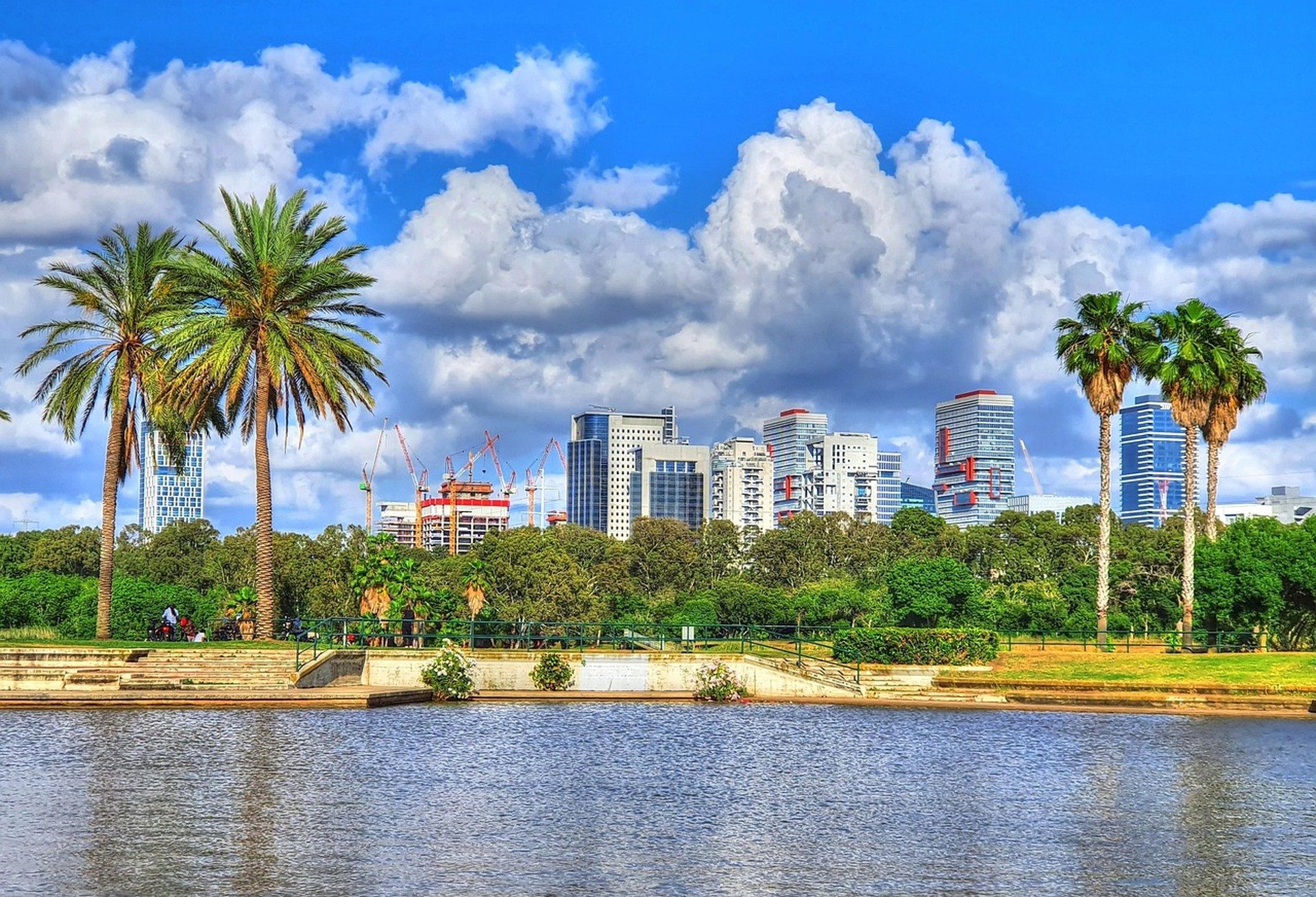
Tel Aviv remains the clear leader when apartments are measured by square-meter cost. Coastal proximity, dense employment in technology and finance, and limited land available for new towers keep values elevated. Recent transaction data show that central neighborhoods routinely clear above the national average by a wide margin, while even outer rings of the metro area command premiums once reserved for the very core. International capital continues to chase trophy assets here, which supports the top of the market even when broader sentiment softens.
Foreign interest frequently originates with North American buyers seeking both lifestyle and yield. Those flows appear in the dedicated discussion of Capital Flows From US Investors Into Israeli Real Estate, which traces how dollar-denominated demand reinforces Tel Aviv pricing. At the same time, local high earners compete for the same limited inventory, so listings rarely linger when priced near recent comps.
Jerusalem's Distinct Pricing Path Between Old and New Quarters
Jerusalem produces a more fragmented map. Historic stone buildings inside the older fabric trade at different levels from modern high-rises built on the city’s expanding edges. Religious and cultural significance sustains demand for certain streets regardless of economic cycles, yet large-scale residential projects further out introduce more affordable options. The result is a citywide average that sits below Tel Aviv yet still exceeds most other Israeli urban centers.
Public data released by the Israel Central Bureau of Statistics help track these internal gaps year by year. Buyers who study street-level comps rather than citywide averages usually make clearer decisions, because a single municipal figure can mask double-digit percentage spreads between adjacent quarters.
Haifa and the Coastal North: Room to Breathe at Lower Rates
Haifa offers a different proposition. Port activity, university campuses, and growing technology clusters support steady housing demand, yet the absolute price per square meter stays noticeably below the Tel Aviv, Jerusalem corridor. Views of the bay and mountain slopes create lifestyle premiums inside specific neighborhoods, while more industrial zones remain accessible to first-time buyers. Supply pipelines of mid-rise and high-rise projects have helped keep growth more moderate than in the coastal center.
Northern secondary cities linked by rail and highway corridors often shadow Haifa’s direction, though at a further discount. Households willing to trade a longer commute for lower monthly payments frequently look north first. Vacancy patterns across office and residential stock also influence residential pricing; readers can examine those dynamics through the report on Vacancy Rates Across Israel's Major Property Segments.
Central Corridor Cities Catching Up Fast
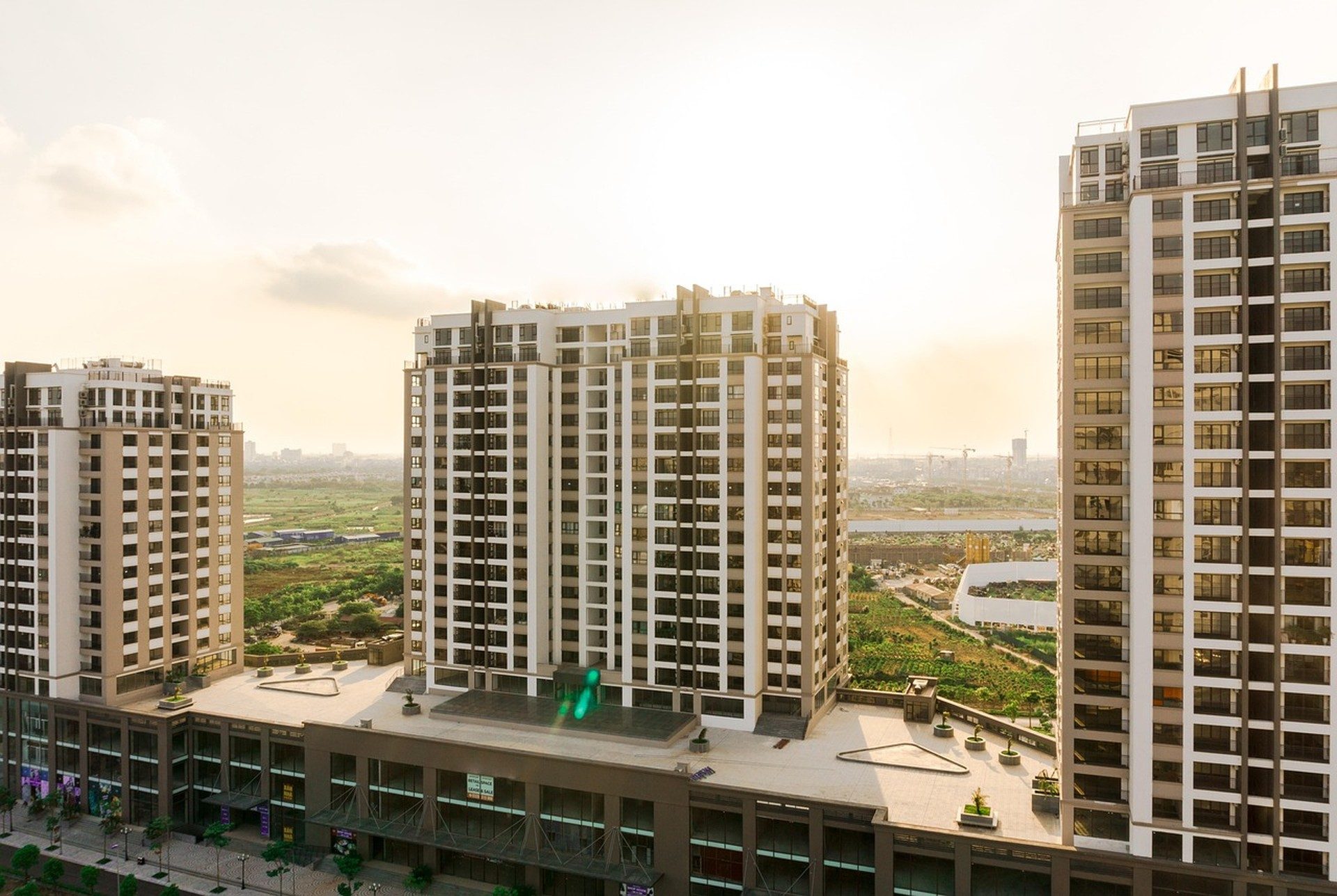
Cities such as Petah Tikva, Rishon LeZion, Netanya, and Modi’in sit within commuting distance of both Tel Aviv and Jerusalem and have recorded some of the strongest percentage gains in square-meter prices over the past decade. Improved rail links and expanded highway capacity shortened effective travel times, turning once-secondary locations into practical daily bases. New construction volume has been high, yet absorption has largely kept pace because younger families and dual-income households seek more space at lower entry prices than pure Tel Aviv addresses allow.
Gentrification waves further reshape selected districts inside these municipalities. Older apartment blocks receive upgrades while cafés and coworking spaces appear, lifting local averages. The longer narrative of those neighborhood shifts appears in Gentrification Trends Reshaping Israel's Urban Neighborhoods. Investors who bought early in such corridors often recorded solid capital appreciation alongside rental income.
What Southern and Peripheral Markets Reveal About Value
Beer Sheva, Ashdod, Ashkelon, and smaller Negev towns still post the lowest average price per square meter among major Israeli cities. Large university and defense-related employment anchors demand in Beer Sheva, while port and industrial activity supports Ashdod. Government incentives for peripheral development periodically add new supply, which can temporarily cap price growth. Even so, improved infrastructure and remote-work flexibility have begun to close some of the gap with the center, especially for properties near new train stations.
Peripheral markets reward patience and careful due diligence. Liquidity can be thinner, meaning exits take longer, yet absolute entry costs leave more room for renovation and personalization. Macroeconomic context from the IMF Israel country analysis helps frame how national growth rates and fiscal policy eventually feed into these outer regions.
Forces Pushing Square Meter Prices Higher or Holding Them Steady
Interest rates set by the Bank of Israel remain a primary short-term driver. When borrowing costs rise, transaction volumes usually slow and price growth moderates; when rates ease, demand rebounds quickly in supply-constrained cities. Construction input costs, planning delays, and labor availability also shape the pace at which new square meters reach the market. Demographic growth and immigration inflows add structural demand that rarely disappears for long.
Technology investment has begun to redraw demand maps as well. Large data-center and chip-related facilities require land, power, and housing for specialized workers, lifting values in formerly overlooked industrial corridors. That story unfolds in the analysis titled AI Infrastructure Demand Is Reshaping Israel's Real Estate Map. International comparisons compiled by the OECD place Israel’s urban housing costs in context with other high-income economies facing similar scarcity.
Reading inventory and absorption together
Raw asking prices can mislead if active listings accumulate or if completed units sit empty. Tracking both the stock of unsold apartments and the speed of new sales gives a fuller picture of whether current square-meter levels are sustainable. Local agents and municipal planning portals supply the granular numbers that national averages smooth over.
Reading the Signals for Buyers Watching the Next Few Years
Looking ahead, most forecasts expect Tel Aviv to retain its premium, Jerusalem to maintain steady cultural and institutional demand, and the central corridor to keep closing the absolute-price gap. Southern and northern markets may offer the largest percentage upside if infrastructure projects finish on schedule and employment hubs expand. Detailed forward scenarios appear in Israel Real Estate Market 2026: The Outlook Serious Investors Need.
Practical steps start with defining a true budget that includes taxes, agent fees, and renovation reserves, then comparing multiple cities rather than fixating on one popular street. Cross-checking recent closed transactions against asking prices reduces the risk of overpaying. Readers who want broader market context can browse the full Israel Real Estate Market Trends archive or consult the site FAQ (frequently asked questions) for clarifications on terminology and process. Ongoing commentary and deeper dives also appear regularly on the Foundation Blog.
Price per square meter Israel data will never be static; each city writes its own chapter according to land scarcity, jobs, culture, and infrastructure. Treating the metric as a living indicator rather than a fixed ranking keeps decisions grounded and opportunistic.
A last practical note on Price Per Square Meter Trends Across Israeli Cities: keep a short written version of the claim, the date it was checked, and one example from Israel. Those three lines prevent the next conversation from restarting at zero.
Related Foundation reading: Foundation Ukraine and Foundation New York.
Timeless Value. Perpetual Legacy.