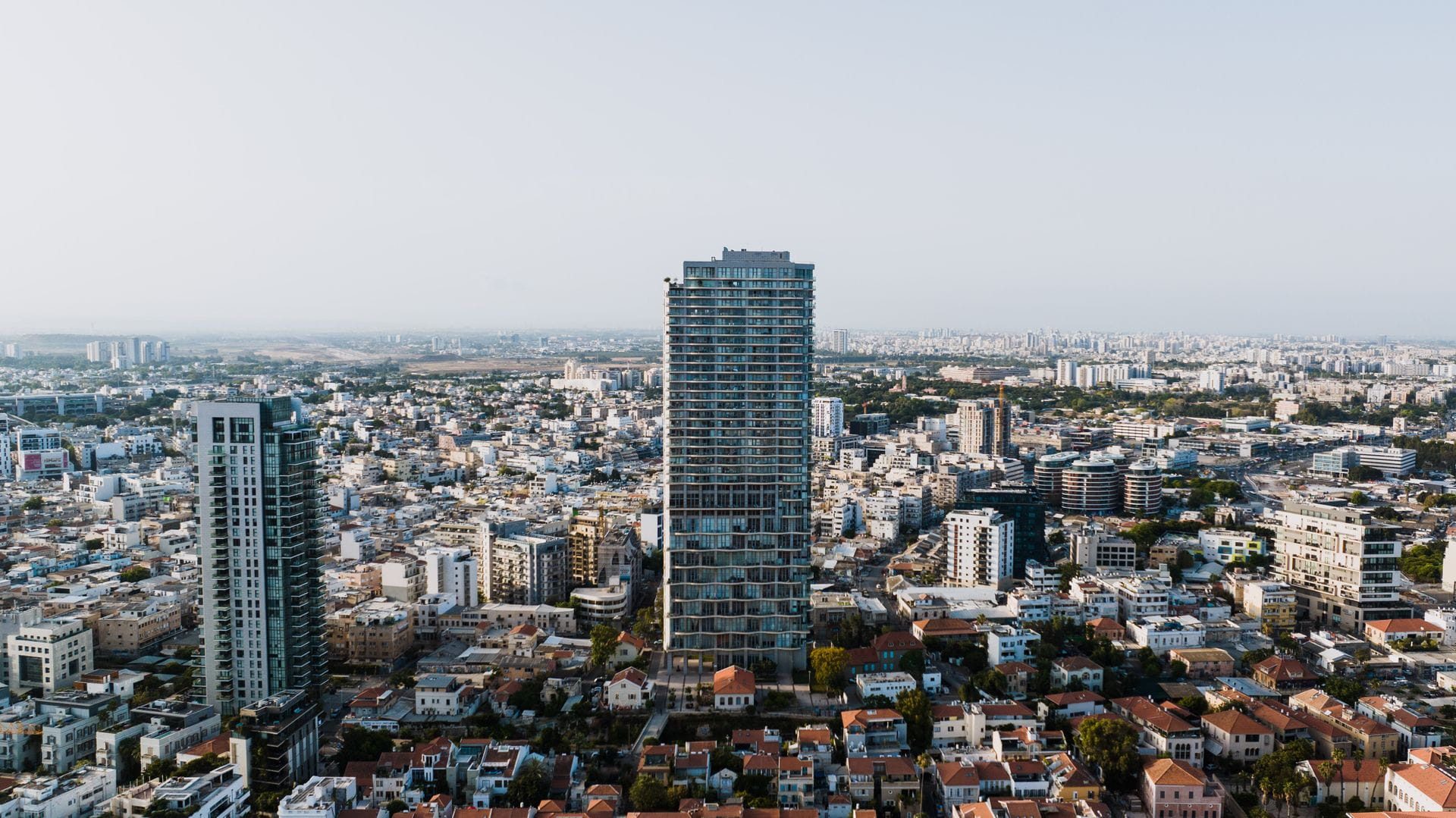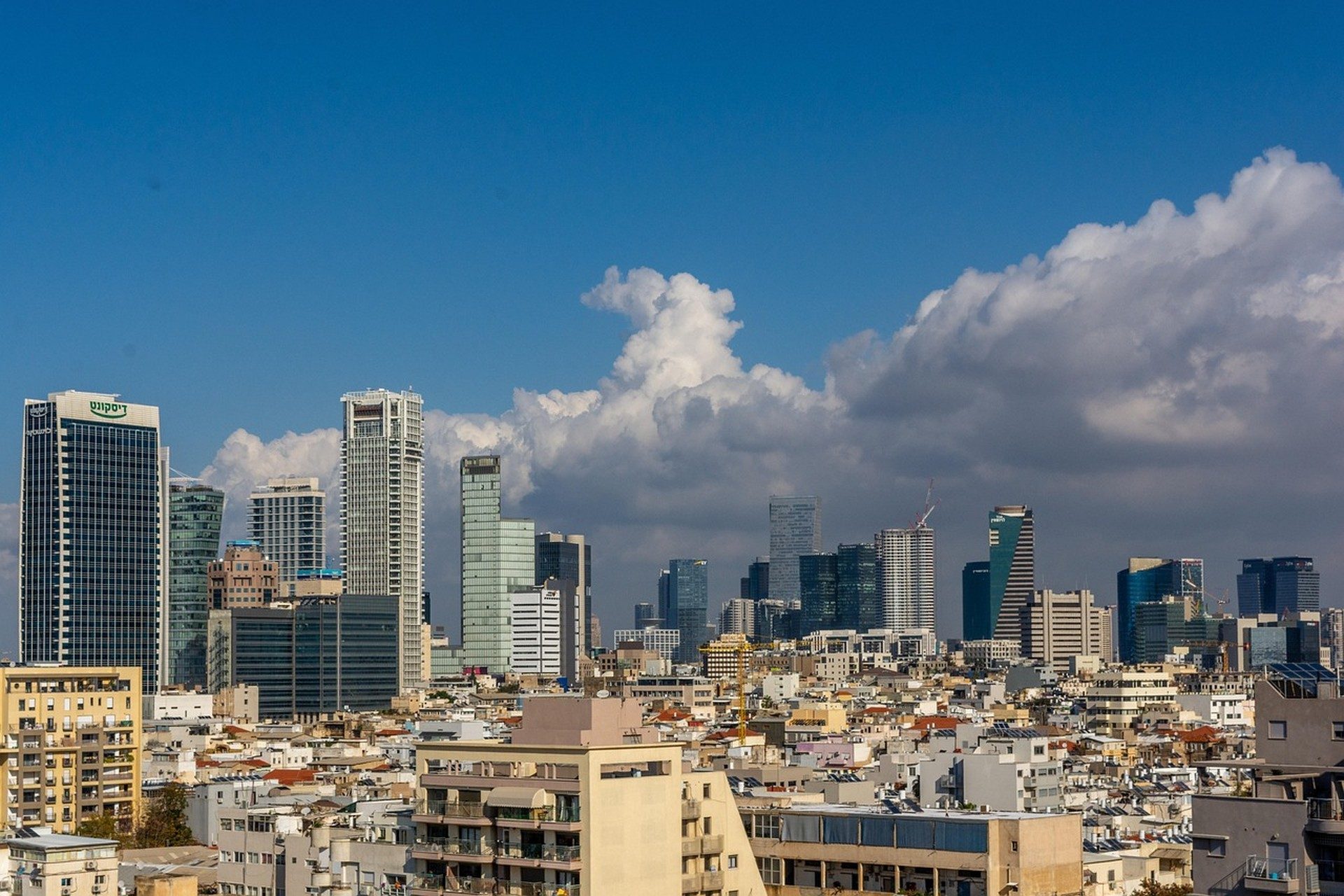
Across Israeli cities, long-settled streets are drawing new residents who bring higher purchasing power and different expectations for housing, shops, and public space. This pattern of neighborhood upgrading, often labeled gentrification trends Israel watchers track closely, appears in pockets of Tel Aviv, Haifa, Jerusalem, and several secondary cities. The process mixes private renovation money, public infrastructure spending, and demographic pressure into visible change within a single decade.
Property values climb first. Then café menus, clothing racks, and even the languages heard on balconies begin to shift. Long-term renters and small landlords feel the tension most acutely, while younger professionals and returning expatriates view the same blocks as opportunity. Foundation examines these movements without nostalgia or boosterism, focusing on the concrete forces that rewrite urban maps.
South Tel Aviv Blocks Turning Warehouses into Residences
Former industrial zones south of the old central bus station once housed garment workshops and wholesale produce. Today many of those concrete shells contain loft apartments, co-working suites, and ground-floor bakeries. Young couples from the northern suburbs or from overseas tech roles purchase units that still carry the raw character of the earlier era. Rents that sat at modest levels ten years ago now approach prices once reserved for the city center.
Local schools report enrollment of children whose parents work in design studios rather than logistics. The sidewalks fill earlier in the evening with people walking dogs or meeting friends. Yet older residents who rented rooms above shops for decades face non-renewal notices or steep increases they cannot absorb. Some move farther south or east; others double up with relatives. The physical fabric improves, but the social mix narrows.
Haifa's Coastal Quarters Drawing Capital and Cafés
In Haifa the German Colony and adjacent lower city streets have attracted boutique hotels and wine bars. Investors restore Ottoman and Mandate-period buildings, adding elevators and rooftop terraces that command premium monthly rates. The process differs from Tel Aviv because Haifa still offers more vacant stock and lower entry prices relative to national averages. According to data published by the Israel Central Bureau of Statistics, household income in these sub-areas has risen faster than the municipal mean since 2018.
Sea views and proximity to the port create natural scarcity. When a light-rail spur or improved bus lane arrives, values jump further. Long-time Arab and Jewish families who own small apartments sometimes sell to capture gains, then relocate inland. Others remain, watching grocery stores replace hardware shops and feeling priced out of the new dining scene. The transformation remains incomplete; many side streets still show peeling paint and closed shutters, yet the direction of travel is clear.
Jerusalem's Historic Enclaves Under Housing Pressure
Jerusalem presents a more layered picture. Neighborhoods such as Nahlaot, parts of the German Colony, and certain areas near the light-rail lines experience renovation waves that lift sale prices well above the citywide median. Religious and secular buyers compete for the same limited stock of stone houses with courtyards. Foreign capital also enters through purchase of pieds-à-terre used for festivals or short stays.
Municipal rules protect façade character, so change is often internal: kitchens modernized, roofs raised, gardens paved for parking. Renters who once found relatively cheap rooms near markets now search the periphery. Community organizations document the outflow of multi-generational families. The Israel Ministry of Construction and Housing has piloted inclusionary zoning tools in some renewal projects, requiring a share of units at controlled rents, yet uptake remains limited and enforcement uneven.
Transit Corridors That Pull Wealth Outward
New rail and bus-rapid-transit lines compress travel times between core employment centers and formerly distant neighborhoods. Once a thirty-minute ride becomes fifteen, demand for nearby housing spikes. Readers seeking deeper analysis of this mechanism can consult Foundation's coverage of How Transit-Oriented Development Is Changing Israeli Real Estate Values. The same corridors also alter commercial rents: a bakery that thrived on foot traffic may suddenly face a landlord seeking a chain tenant who can pay double.
Secondary cities such as Petah Tikva, Rehovot, and parts of Beersheba show early signs of the same dynamic. Investors who once concentrated solely on Tel Aviv now scan station-adjacent blocks for multi-family buildings that can be upgraded unit by unit. Cap rates compress as prices rise, a pattern visible in the broader data set on Cap Rate Trends by Asset Class in the Israeli Market. Households that rely on public transport gain mobility, yet those same households may lose the ability to remain in the improved districts.
Shopkeepers and Service Workers Navigating Higher Costs
Independent greengrocers, tailors, and repair shops occupy ground floors throughout these neighborhoods. When building ownership changes hands, new landlords often demand commercial rents calibrated to national chains rather than local cash flow. Some owners accept the new terms and raise prices; many close. The vacancies then fill with yoga studios, specialty coffee, or furniture showrooms whose customer base arrives from outside the original community.
Service workers who clean apartments or staff the new restaurants frequently commute longer distances because they can no longer afford to live near their jobs. This daily reverse commute adds traffic and lengthens workdays. Community credit unions and municipal small-business funds try to bridge the gap with low-interest loans, yet the structural pressure remains rent levels that outpace revenue growth for traditional trades.
Municipal Levers and National Economic Backdrop
City councils hold zoning, licensing, and public-housing allocation powers. Some have begun requiring developers to deliver a percentage of below-market units inside each large project. Others invest in community land trusts that keep ownership off the open market. Results vary by political will and fiscal capacity. The Bank of Israel monitors credit conditions that influence how easily both renovators and first-time buyers obtain mortgages, thereby accelerating or damping the speed of neighborhood turnover.
National demographic currents supply the people who fill the upgraded apartments. Longer life expectancy, high fertility in certain sectors, and continued immigration create steady household formation. A fuller picture appears in Foundation's examination of Demographic Shifts Driving Long-Term Housing Demand in Israel. When those new households concentrate in specific urban nodes, the gentrification process intensifies.
International comparisons help place Israeli experience in context. The OECD tracks housing affordability metrics across member states and notes that Israel ranks among the more strained markets relative to income. Meanwhile the IMF Israel country analysis flags construction bottlenecks and land-release policy as structural factors that keep prices elevated even when demand temporarily cools.
Emerging Technology Hubs and Secondary Spillover
Data-center and artificial-intelligence campus construction draws high-income workers to locations once considered peripheral. The resulting housing demand radiates outward, creating secondary gentrification rings. Foundation maps this newer layer in its report AI Infrastructure Demand Is Reshaping Israel's Real Estate Map. Towns near major fiber routes or power substations begin to show the same café-and-renovation signature previously limited to the coastal core.
Investors scanning for the next wave consult multi-year projections such as those outlined in Israel Real Estate Market 2026: The Outlook Serious Investors Need. Those projections integrate transit, demography, and technology footprints rather than relying on single-city anecdotes. Readers can also browse the wider collection of reports inside the Israel Real Estate Market Trends archive for longitudinal data.
Practical questions about measurement methods or data sources appear frequently. Foundation maintains an accessible FAQ (frequently asked questions) that clarifies common points of confusion, while shorter commentaries continue to appear on the main Blog.
Neighborhood change is neither uniformly beneficial nor purely extractive. Streets gain safer lighting, cleaner sidewalks, and more frequent rubbish collection. At the same time, cultural continuity erodes when long-standing residents depart and the informal networks that once supported them dissolve. Policymakers who design inclusionary requirements, transit fare subsidies, or community ownership models can blunt the sharpest displacement edges. Residents who organize early often secure better terms than those who wait until prices have already doubled.
Observing gentrification trends Israel cities display today requires attention to both the visible upgrades and the quieter exits. Data from statistical agencies, central-bank reports, and municipal planning documents supply the quantitative backbone; walking the streets supplies the qualitative texture. Foundation will continue to track both layers so that households, investors, and public officials can act with clearer eyes.
Related Foundation reading: Building Information Modeling Adoption: Supply and Demand Scorecard.
Timeless Value. Perpetual Legacy.