Investors who study cap rate trends Israel real estate usually start with a simple ratio: net operating income divided by purchase price. That single number helps compare an office tower in Tel Aviv with a warehouse near Haifa or a block of rental flats in Beersheba. It does not replace cash-flow forecasts or legal due diligence, yet it remains the common language for pricing risk across asset classes inside the country.
When the ratio falls, buyers are paying more for each shekel of income, often because they expect rents to rise or risk to ease. When it climbs, caution has returned. Tracking those moves by property type reveals where capital is crowding in and where it is still waiting on the sidelines.
Cap Rates Defined for Everyday Buyers of Israeli Property
A capitalization rate, or cap rate, is expressed as a percentage. If a building produces 800,000 shekels of net operating income and sells for 16 million shekels, the cap rate is 5 percent. Net operating income excludes debt service and capital improvements, so the figure isolates the property’s own earning power.
Israeli market participants watch both absolute levels and the spread between asset classes. A 50-basis-point gap between logistics and offices can signal which sector feels safer at that moment. Official price and rent series published by the Israel Central Bureau of Statistics give investors a public benchmark against which private appraisals can be checked.
Readers who want a broader set of market questions answered can browse the Foundation FAQ (frequently asked questions) for plain definitions of yield, vacancy, and effective rent.
Residential Apartments Versus Yield Expectations Today
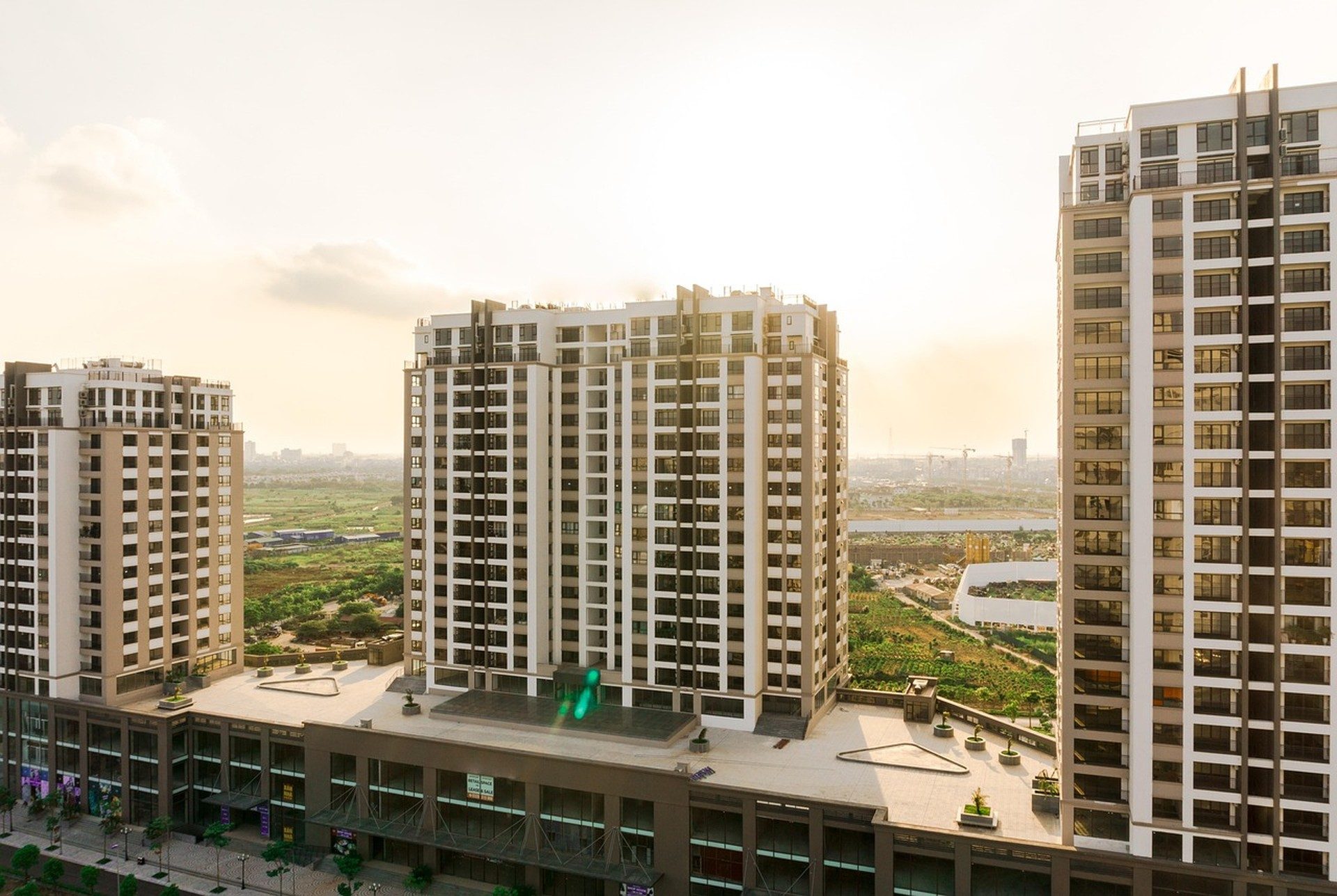
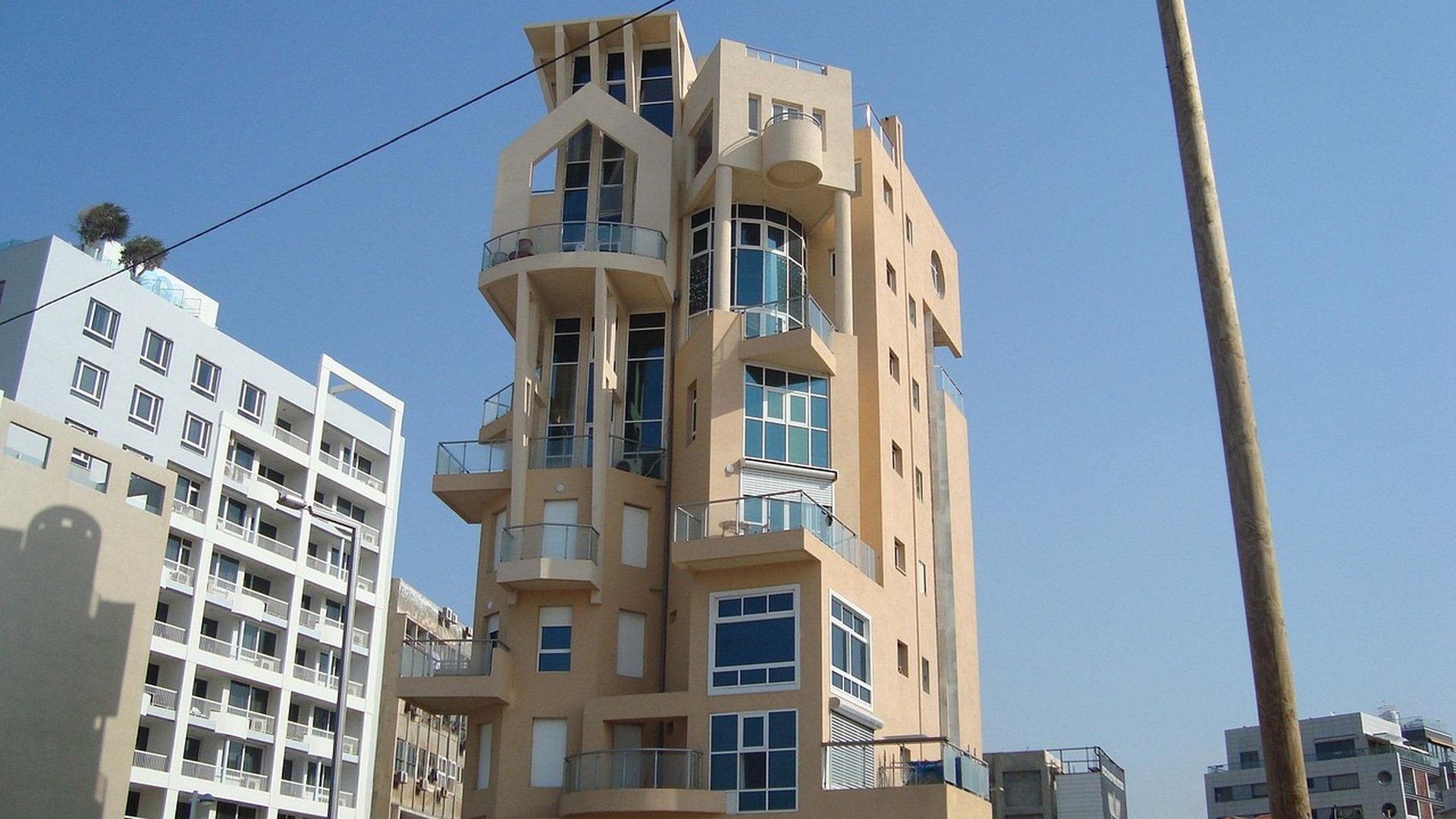
Multifamily buildings and individual investment flats still dominate household wealth discussions. Cap rates on stabilized residential stock in central Tel Aviv have stayed tight, often in the mid-3 percent range for well-located product, because demand for rental housing remains firm and ownership culture is strong.
Secondary cities such as Haifa, Netanya, and Ashdod usually show wider yields, reflecting longer lease-up periods and thinner buyer pools. Construction delays can push those numbers higher still; the same constraints that slow new supply also keep existing units scarce. Detailed coverage of those bottlenecks appears in the article on Supply Chain Constraints and Their Effect on Construction Timelines.
Foreign equity continues to favor residential because tenancy risk feels familiar. Documentation of that preference is laid out in the piece on Capital Flows From US Investors Into Israeli Real Estate.
Office Towers in Tel Aviv and Secondary Markets
Prime office cap rates along the coastal core have compressed whenever high-tech leasing rebounds. Class A towers with modern floor plates and strong energy ratings trade at tighter yields than older stock that needs costly upgrades. Vacancy spikes after corporate restructurings push secondary-market offices outward by 75 to 100 basis points relative to Tel Aviv core.
A recent municipal decision that opened fresh density along a key corridor has already altered land values and expected rents. That shift is examined in A Major Rezoning Decision Just Reshaped a Tel Aviv Growth Corridor. Investors watching cap rate trends Israel real estate therefore treat zoning news as a direct input to yield forecasts rather than a distant planning story.
International institutions also monitor commercial real-estate leverage. The IMF Israel country analysis regularly flags banking-sector exposure to commercial property, giving local buyers an external stress-test lens.
Logistics Warehouses Meeting Data Center Demand
Industrial and logistics assets have delivered the steadiest yield compression of any major class over the past several years. Proximity to ports, highways, and the growing cluster of data centers has lifted rents and shortened vacancy periods. Cap rates on modern logistics near Ben Gurion Airport and along Route 6 have moved into the low-to-mid 5 percent band for long-term leases with creditworthy tenants.
Artificial-intelligence compute needs are accelerating that pattern. Power-intensive facilities require large, well-serviced sites, and competition for those sites is intense. The geographic spillover is mapped in AI Infrastructure Demand Is Reshaping Israel's Real Estate Map.
Older light-industrial stock without modern clear heights or energy capacity still trades at higher cap rates, reminding buyers that the asset class itself is not uniform.
Shopping Centers and Street Retail Cap Rate Drift
Retail yields remain the widest among the main property types. Enclosed malls that lost foot traffic during successive lockdowns have only partly recovered, and many owners have re-tenanted with experiential uses or medical clinics. Cap rates for solid neighborhood centers with grocery anchors often sit near 7 percent, while pure fashion malls without redevelopment plans can exceed 8 percent.
Street retail on high streets in Jerusalem and Tel Aviv behaves differently. Long leases to banks, pharmacies, and food operators keep those cap rates closer to office levels. Policy guidance from the Israel Ministry of Construction and Housing on mixed-use density will influence how many of those street fronts convert into residential-over-retail formats, which in turn will reshape future yield expectations.
Comparing Spreads Across the Full Asset Spectrum
Placing residential, office, industrial, and retail side by side shows a clear ranking of perceived safety. Multifamily still commands the lowest yields, followed by prime logistics and core offices, with retail lagging. The ranking can reverse quickly if interest rates rise or if a security event widens risk premia across the board.
Cross-country comparisons supplied by the OECD help place Israeli spreads in a developed-market context. When local industrial cap rates sit 100 basis points above peer European markets, global capital tends to flow in until the gap narrows.
Anyone assembling a multi-asset portfolio can follow ongoing commentary in the Foundation Blog and deeper thematic pieces collected in the Israel Real Estate Market Trends archive.
Interest Rates, Security Premia, and the Path into 2026
Monetary policy remains the largest single driver of short-term cap-rate moves. Higher base rates lift required returns, which immediately expands yields unless rents rise in lockstep. Lower rates do the opposite. Security-related insurance costs and tenant relocation risk add a second layer that is unique to the local market and hard to model with pure financial formulas.
Forward-looking investors therefore combine current yield levels with rent-growth assumptions under different interest-rate paths. A full scenario set for the next planning horizon is available in Israel Real Estate Market 2026: The Outlook Serious Investors Need.
Keeping an eye on cap rate trends Israel real estate by asset class gives any adult reader, expert or not, a practical dashboard. The numbers change, the ranking of property types shifts, and the public data sources listed above remain free tools for anyone who wants to stay current without jargon.
Readers comparing notes on Cap Rate Trends by Asset Class in the Israeli Market in Israel should keep one dated source list and one named owner for updates so the next review of Cap Rate Trends by Asset Class in the Israeli Market does not restart definitions. Article reference israel-067.
If two teams disagree about Cap Rate Trends by Asset Class in the Israeli Market, write the disagreement in one paragraph with the evidence each side trusts before any money language expands around Cap Rate Trends by Asset Class in the Israeli Market. Article reference israel-067.
Related Foundation reading: Foundation New York.
Timeless Value. Perpetual Legacy.