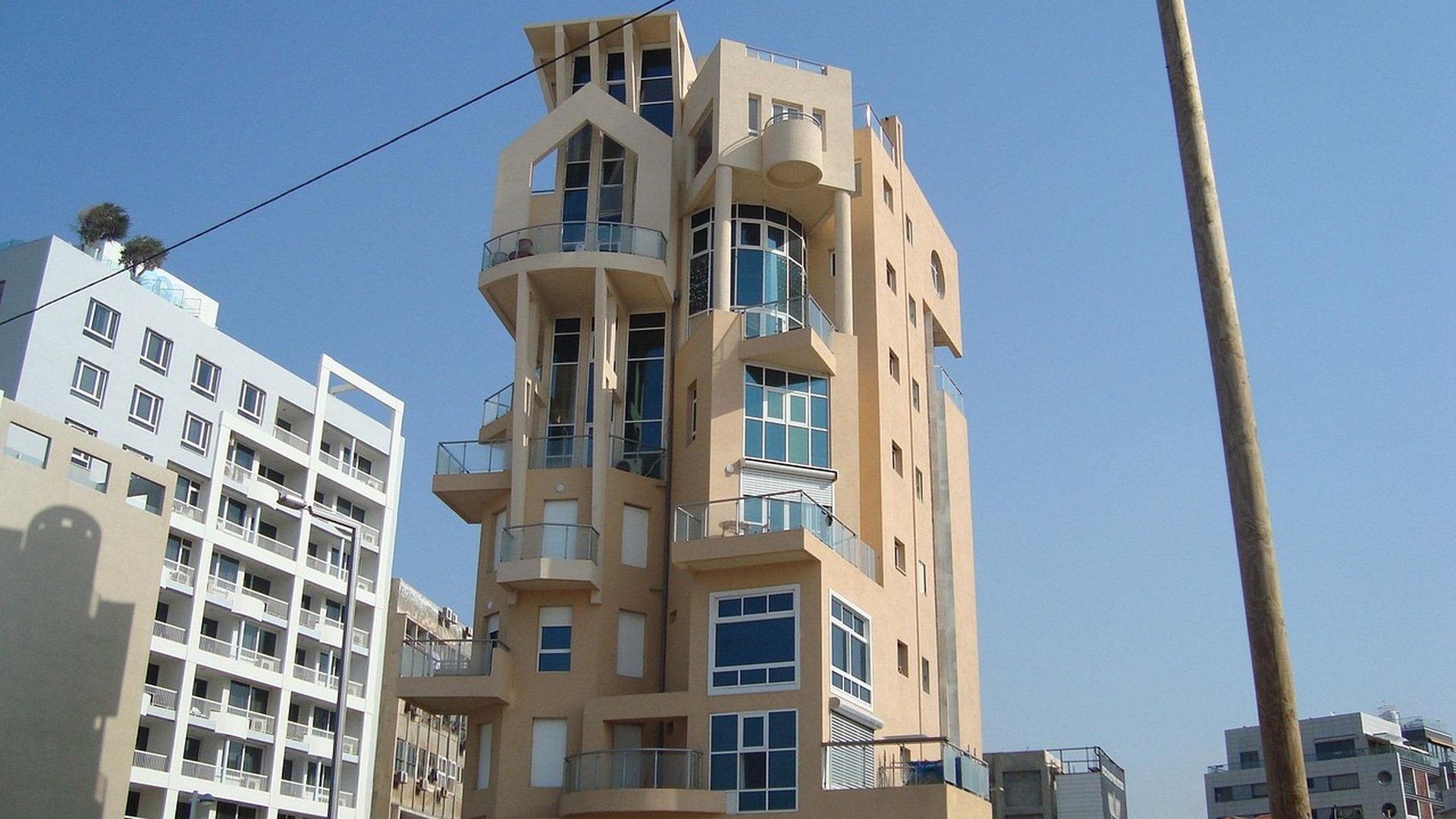
Construction in Israel often looks orderly from the roadside, yet the path from foundation pour to occupancy keys is now shaped by shortages that sit far from the job site. Supply chain construction delays Israel faces are no longer rare shocks; they are a recurring pressure that stretches schedules, inflates budgets, and forces developers to rewrite delivery promises. Understanding those pressures helps buyers, investors, and project teams read the calendar with clearer eyes.
When Steel Cement and Glass Fail to Arrive on Cue
Raw materials form the skeleton of every tower and every suburban block. When rebar, ready-mix cement, or large glass panels sit at distant mills or blocked ports, Israeli sites cannot simply switch suppliers overnight. Many components still travel long sea routes, and any interruption at origin or transit immediately lengthens the wait for local contractors. The result is idle cranes and crews waiting for the next truck that never appears on the original schedule.
Local stockpiles offer only partial relief. Storage yards near major cities fill quickly during calm months, then empty when demand spikes. Once those buffers thin, the next shipment becomes the critical path item. Project managers then face a choice between premium air freight for small critical pieces and multi-week delays for bulk orders. Either path raises cost and pushes the completion date later.
Port Congestion and Inland Haulage as Hidden Timers
Israel’s Mediterranean ports handle the bulk of imported construction inputs. When vessel queues grow or stevedoring capacity tightens, containers of insulation boards or mechanical equipment sit offshore while the clock on land keeps ticking. Inland trucking then compounds the problem: limited trailer fleets and peak-hour restrictions on heavy vehicles mean that goods cleared at the dock still need days to reach a site in the center or north.
Developers who once treated port clearance as a routine three-day step now build contingency weeks into their programs. Those extra weeks cascade. A delayed elevator motor can block interior fit-out. Delayed cladding can leave a tower weather-exposed and force protective measures that themselves require extra labor. The cumulative effect is a construction calendar that stretches even when local weather and municipal inspections run smoothly.
Labor Shortages Intersecting With Material Gaps
Material delays rarely arrive alone. When skilled trades wait for deliveries, productivity drops and some workers migrate to other sites that still have stock. Finding replacements later becomes harder, especially for specialized crews such as curtain-wall installers or high-voltage electricians. The twin pressures of missing parts and thinning crews create a feedback loop that further extends timelines.
Training pipelines take years to expand. In the short run, contractors rely on overtime and temporary labor, both of which raise unit costs and sometimes reduce quality consistency. Owners who track only material lead times without watching workforce availability often under-estimate total delay risk. A realistic program therefore models both sides of the equation together.
Price Swings That Rewrite Project Economics
When supply tightens, prices rise. A sudden jump in steel or copper can force value-engineering sessions mid-project, which themselves consume design hours and approval cycles. Financing structures that assumed fixed material budgets then need renegotiation. Lenders and equity partners scrutinize new cash-flow forecasts, and those discussions add weeks before work can resume at full pace.
Monetary conditions amplify the strain. An Interest Rate Move Sends Signals Across Israel's Property Market can raise the cost of carrying a delayed asset, making every extra month more expensive. Developers therefore weigh the price of premium logistics against the price of capital, and the trade-off frequently favors absorbing some delay rather than paying for overnight shipping on every item.
How Global Shocks Reach Israeli Sites
Events thousands of kilometers away still register on local basements and roofs. Shipping lane disruptions, factory shutdowns, or sudden demand surges from other markets all compete for the same production slots. Israeli importers then discover that their purchase orders have slipped in priority. The IMF Israel country analysis regularly notes the economy’s exposure to external trade frictions, and construction materials sit squarely inside that exposure.
Domestic data confirm the pattern. Figures released by the Israel Central Bureau of Statistics show periods when import volumes of key building products lag behind planned construction starts. Those gaps appear later as unfinished shells or postponed handover ceremonies. Watching the statistics offers early warning, yet many smaller firms still discover the shortfall only when a purchase order is rejected or delayed.
Sourcing Strategies That Shorten or Lengthen Calendars
Some developers have shifted toward dual sourcing, holding framework agreements with both overseas mills and regional fabricators. The approach raises unit cost slightly but reduces single-point failure. Others stock critical long-lead items months earlier than traditional practice, accepting inventory carrying cost as insurance against schedule risk. Both tactics require capital and warehouse space that not every firm can spare.
Policy can ease or tighten these choices. Guidance and support programs from the Israel Ministry of Construction and Housing influence how quickly new capacity can come online and how standards for imported products are applied. When certification processes accelerate, alternative suppliers become usable faster; when they lengthen, the opposite occurs. Project teams that monitor regulatory timelines alongside commercial lead times gain a more complete risk picture.
Reading Delay Risk for Buyers and Capital Partners
Apartment purchasers and institutional investors need practical signals rather than abstract warnings. One clear signal is the developer’s disclosed contingency period for long-lead packages. Another is evidence of secured warehouse space or confirmed dual suppliers for structural steel and mechanical equipment. Absence of either detail often correlates with later schedule slippage.
Market context also matters. The broader picture in the Israel Real Estate Market 2026: The Outlook Serious Investors Need shows how supply constraints interact with demand and financing costs. Parallel reading of the Government Announces New Housing Targets. Here Is What It Means for Supply helps gauge whether public targets will intensify competition for the same scarce materials. When targets rise faster than import capacity, delay risk increases for private projects competing in the same procurement channels.
Planning decisions at city level can either buffer or amplify the problem. A Municipal Planning Update Accelerates Development in a Key District may free land and permits, yet if multiple large sites start simultaneously they can overwhelm local suppliers of concrete and formwork. Timing therefore becomes as important as volume. Staggered starts reduce the chance that every project hits the same material wall in the same quarter.
Technology Demand and Infrastructure Pull on Resources
New uses for land and power are redrawing resource maps. Growth in data centers and related facilities, described in AI Infrastructure Demand Is Reshaping Israel's Real Estate Map, pulls steel, copper, and specialized labor into parallel markets. Construction teams competing for the same inputs face longer quotes and firmer pricing. The effect is especially visible around high-tech corridors where both residential towers and server halls rise together.
Financing institutions track these competing claims. Analysis published by the Bank of Israel often highlights sector-level credit trends that reflect construction cost and delay patterns. When credit conditions tighten just as material costs climb, projects with thin contingencies become vulnerable. Sound underwriting now includes explicit stress tests for supply-chain duration, not merely for interest-rate moves.
Where to Keep Learning and What Questions Still Matter
Supply-chain pressure will continue to shape delivery dates for years. Readers who want ongoing context can browse the Israel Real Estate Market Trends archive for related market pieces, or visit the Blog for shorter updates. Practical questions about contracts, contingencies, and handover remedies appear in the FAQ (frequently asked questions) section and repay careful reading before any purchase or equity commitment.
Foundation treats these constraints as structural features of the market rather than temporary noise. Clear-eyed assessment of lead times, alternative sources, and financing headroom remains the most reliable way to protect both schedule and capital. Every extra week of foresight purchased today can spare months of renegotiation later.
Related Foundation reading: Foundation hub and Foundation Ukraine.
Timeless Value. Perpetual Legacy.