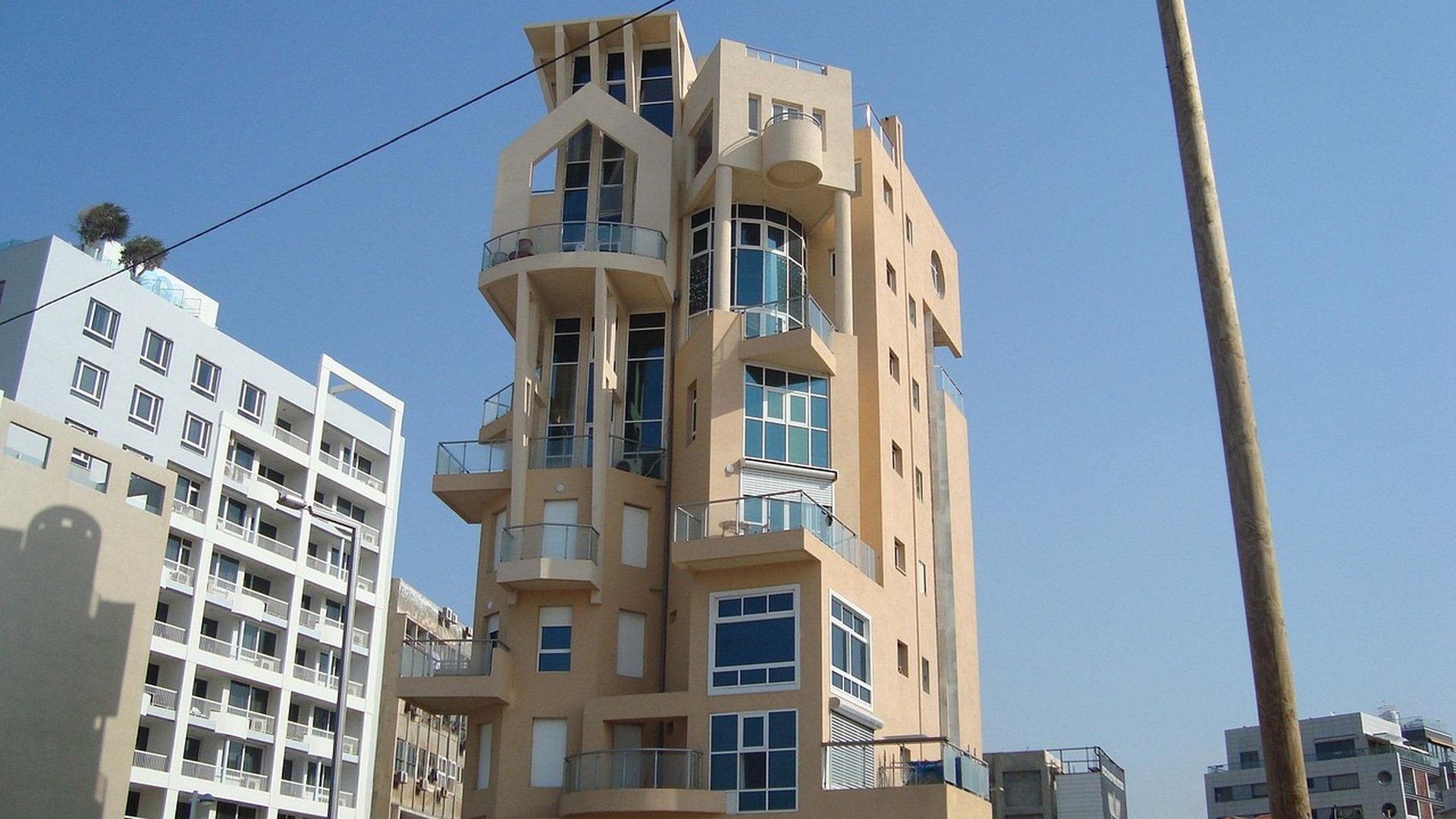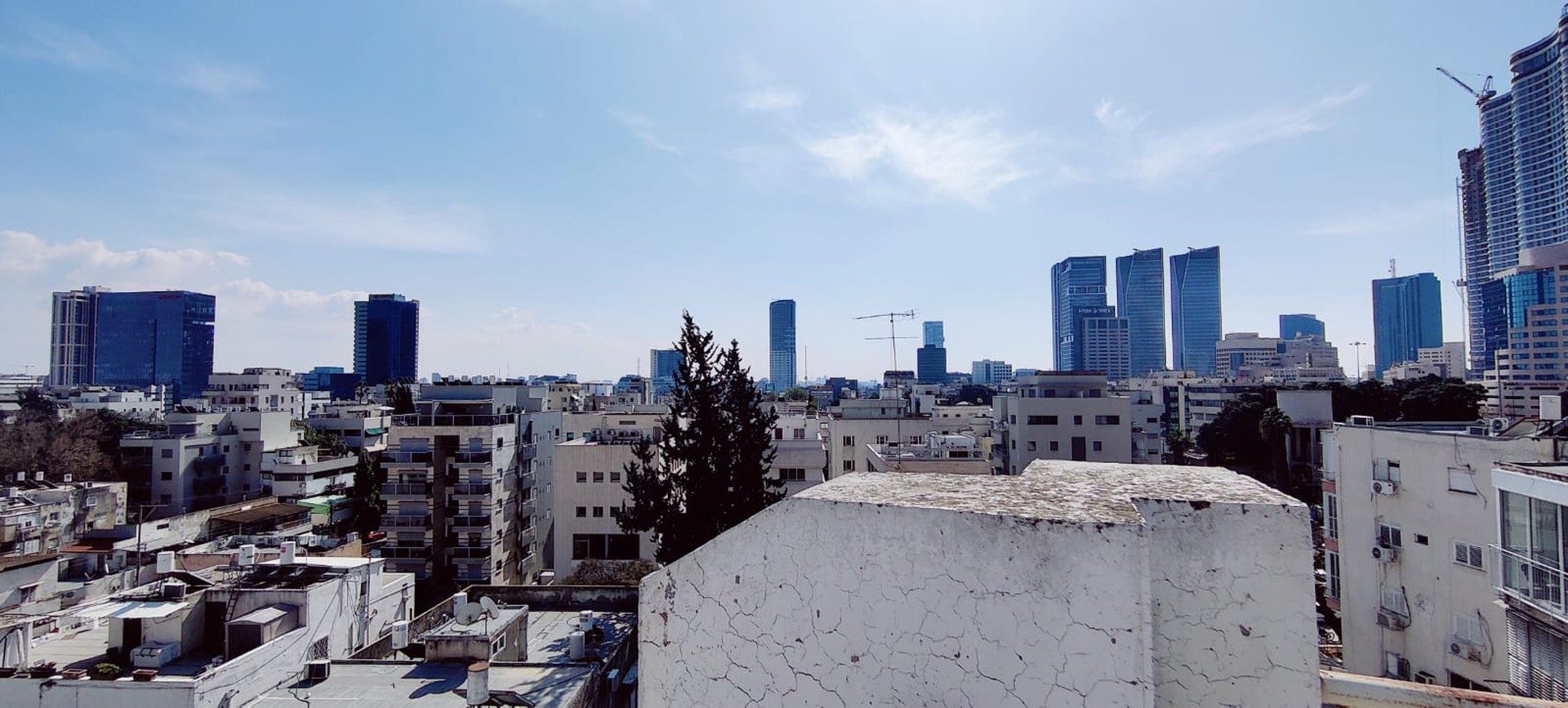
Israel's busiest economic ribbon stretches roughly 60 kilometers between the Mediterranean coast and the Judean hills. Residents call it many names yet the Tel Aviv Jerusalem growth corridor captures the same idea: a continuous zone of road, rail, housing, jobs, and money that keeps gaining mass.
Foundation tracks this strip because it already holds more than half the country's high skill jobs and a rising share of new apartments. Understanding its shape helps anyone who rents, buys, or simply wonders where daily life will feel livest over the next decade.
The Spine Linking Two Capitals of Commerce and Culture
Tel Aviv supplies creative industries, start ups, and sea air. Jerusalem supplies government, universities, tourism, and heritage sites. The land between them is no longer empty farmland. New residential towers rise beside older kibbutzim. Logistics parks appear next to archaeological digs. The corridor therefore acts as a single organism rather than two separate cities connected by chance.
Commuters move in both directions every morning. Some leave Judean towns for coastal tech offices. Others reverse the flow toward hospital research labs or ministries. That two way traffic feeds restaurants, co working desks, and small hotels that never existed twenty years ago.
Highways, Rail, and the Physical Backbone of Expansion
Route 1 carries the bulk of private cars. Parallel rail lines shorten the door to door trip for many professionals. Additional feeder roads and planned tunnels aim to cut congestion near the hills. According to data published by the Israel Ministry of Construction and Housing, several interchanges already sit under redesign so larger volumes of freight and passengers can move without constant gridlock.
Electrified trains now stop at more intermediate stations than older schedules allowed. Each new platform turns surrounding empty lots into potential mixed use projects. Local councils race to rezone nearby parcels before land prices jump again.
Settlements and Office Parks Filling the In-Between
Modiin sits almost exactly halfway and has grown into a mid size city with its own shopping streets and schools. Shoham and Beit Shemesh absorb families seeking more space than Tel Aviv prices allow. Farther east, Mevaseret Zion and Abu Ghosh fill with garden apartments that still keep Jerusalem within a short drive.
Office parks once clustered only near the coast now appear in suburban belts. Technology firms open satellite floors so employees avoid the worst traffic peaks. These campuses bring lunchtime trade and evening activity that support local grocery stores and day care centers.
Demographics Shaping Demand Along Route 1 and Beyond
Young families leave the dense coastal core for larger units they can actually afford. Many of those households still need coast linked careers, so they settle inside the corridor rather than farther south or north. Retirement age residents also appear, attracted by quieter streets yet quick hospital access.
Immigrant communities from multiple continents choose the same strip because schools and community centers already exist. Language classes, sports clubs, and medical clinics therefore expand faster than pure population tables would predict. The result is steady multi year pressure on both rental stock and freehold sales.
Capital Entering Midway Towns Like Modiin and Shoham
Foreign buyers who once looked only at luxury coastal towers now study mid corridor plots. Domestic pension funds and private equity groups follow similar patterns. Some of that money arrives through the channels described in Cross-Border Capital Flows Between New York and Tel Aviv, then moves inland once due diligence ends.
Local banks remain cautious lenders, yet construction credit still flows for projects that secure pre sales. The Bank of Israel watches household debt levels carefully, so mortgage terms adjust when broader credit conditions shift. That discipline keeps overbuilding in check compared with less regulated markets elsewhere.
Pressures on Housing Prices Between the Two Metropolises
Square meter rates climb faster inside the corridor than in distant towns yet remain lower than pure Tel Aviv averages. Buyers trade absolute peak location for reasonable commute times and better school catchments. Developers respond by stacking height where zoning permits and by adding ground floor commerce that serves residents.
Renters feel the squeeze too. Short term corporate leases compete with long term families, pushing some lower income workers toward the corridor edges. Public housing programs try to balance the mix, though delivery of units often lags announced targets.
Comparing Central Movement to Peripheral and Northern Axes
Growth is not limited to one strip. Southern expansion around Be'er Sheva gains attention through pieces such as Be'er Sheva's BRRRR Opportunity: Israel's Southern Growth Frontier. Northern dynamics appear in analyses like The Northern Growth Corridor: Emerging Trends and Data. Even so, the central corridor still concentrates the densest job clusters and highest transaction volumes.
Peripheral roads receive funding partly because planners want to relieve central overload. Detailed discussion of those outer investments lives in Infrastructure Investment Driving Growth in Israel's Peripheral Corridors. For now the Tel Aviv Jerusalem growth corridor remains the benchmark against which other routes measure success.
What Investors Watch When Evaluating Corridor Plots
Land entitlement status matters first. A plot with full approvals commands premiums over land still awaiting change of use. Second, proximity to both rail and major interchanges raises long term value. Third, school quality and green space availability influence family demand and therefore rental yields.
Forward views of price cycles and supply pipelines appear in Israel Real Estate Market 2026: The Outlook Serious Investors Need. Readers who want neighborhood level tactics inside Jerusalem itself can study A Smart Strategy Playbook for Jerusalem's Emerging Neighborhoods. Broader context across many regions sits inside the Israel Real Estate Market Trends archive.
International agencies such as the OECD publish comparative housing studies that place Israeli corridor patterns against peer nations. Those reports remind observers that rapid densification brings both opportunity and strain. Questions that remain after reading any of these materials can be checked against Foundation's FAQ (frequently asked questions).
Anyone planning a first purchase, a company relocation, or simply a clearer picture of daily traffic can start by walking short sections of the corridor itself. Coffee shops and construction cranes reveal more than maps alone. Patterns visible today will likely intensify as rail capacity improves and zoning decisions catch up with demand.
Readers comparing notes on Mapping Israel s Central Growth Corridor From Tel Aviv in Israel should keep one dated source list and one named owner for updates so the next review of Mapping Israel s Central Growth Corridor From Tel Aviv does not restart definitions. Article reference israel-174.
If two teams disagree about Mapping Israel s Central Growth Corridor From Tel Aviv, write the disagreement in one paragraph with the evidence each side trusts before any money language expands around Mapping Israel s Central Growth Corridor From Tel Aviv. Article reference israel-174.
A short refusal note for Mapping Israel s Central Growth Corridor From Tel Aviv should say what was parked, why it was parked, and who can reopen the file on Mapping Israel s Central Growth Corridor From Tel Aviv after new facts arrive in Israel. Article reference israel-174.
Readers comparing notes on Mapping Israel s Central Growth Corridor From Tel Aviv in Israel should keep one dated source list and one named owner for updates so the next review of Mapping Israel s Central Growth Corridor From Tel Aviv does not restart definitions. Article reference israel-174.
Related Foundation reading: Land Tender Pricing by Municipality: Technical Due Diligence Checklist and Climate Adaptation Sensors for Coastal Buildings: Technical Deep Dive .
Timeless Value. Perpetual Legacy.