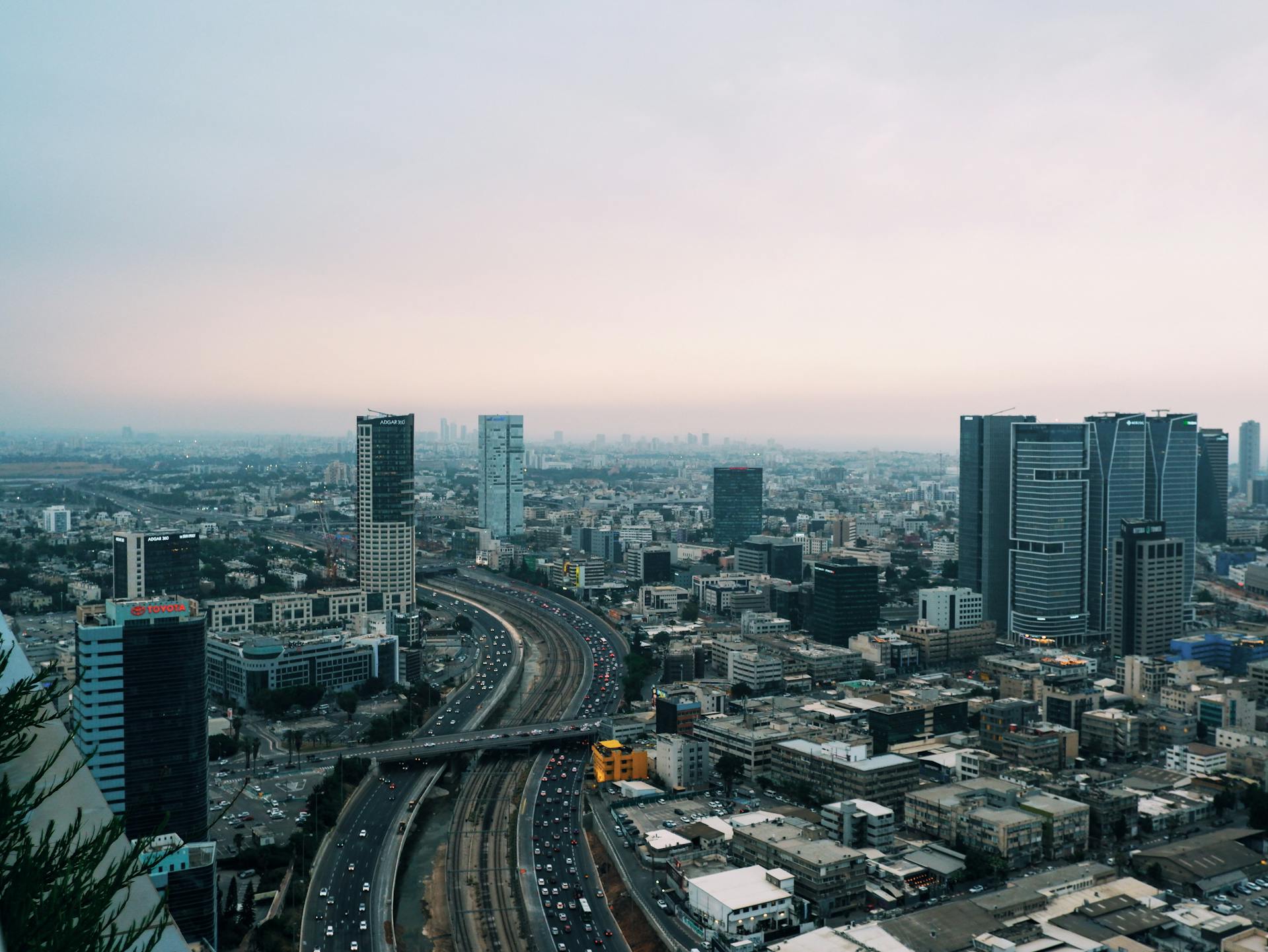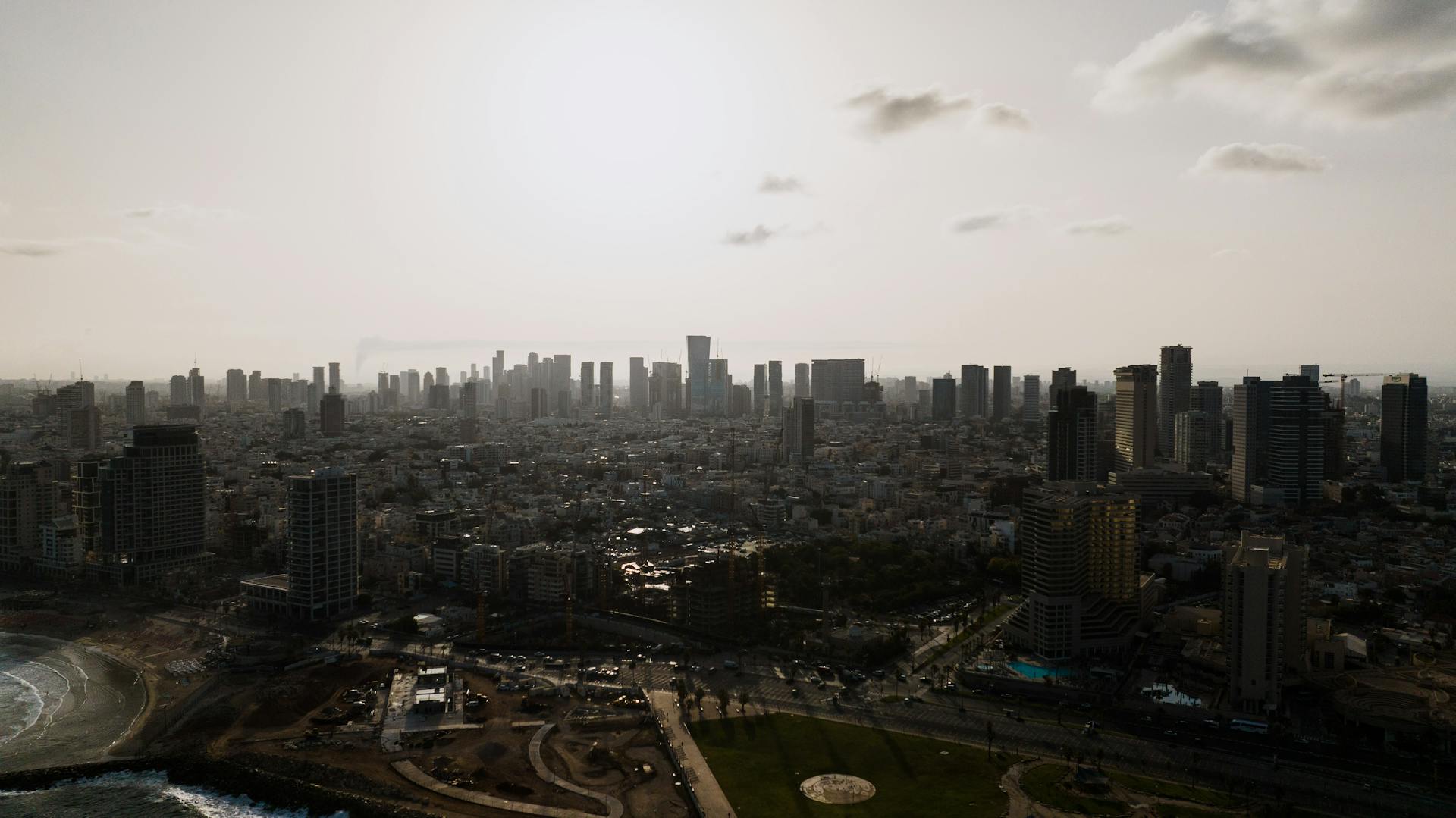
Infrastructure investment in Israel's peripheral corridors is reshaping how goods, workers, and families move beyond the dense coastal strip. New highways, rail segments, power lines, and water systems are turning once-remote stretches of the Negev, Galilee, and Jordan Valley into places where factories, warehouses, and housing can take root. Foundation examines this shift for readers who want clear facts rather than slogans.
Readers new to the topic often ask what "peripheral corridors" actually means. In Israeli planning language the phrase covers the transport and utility spines that link the center to the north, south, and east. These routes are no longer afterthoughts; they now receive multi-year budgets because congestion in the Tel Aviv metro area has become too costly to ignore.
Rail Segments Pulling Industry into the Southern Desert
High-speed and freight rail projects have begun to cut travel times from Beersheba to the coast. When a manufacturing firm can reach the Port of Ashdod in under ninety minutes, site-selection teams suddenly view the Negev as realistic. Land prices remain lower than in the center, yet the new tracks reduce the penalty of distance. The Israel Ministry of Construction and Housing has published alignment maps that show how these lines also serve future residential neighborhoods planned around stations.
Local authorities in Dimona and Yeruham report rising inquiries from logistics operators who need large parcels next to rail sidings. Electricity upgrades accompany the tracks so that refrigerated warehouses can operate without diesel generators. That combination of fixed infrastructure and lower land cost is the practical reason capital has started to arrive.
Highway Widening Across the Galilee Ridge
Northern corridors rely more on road improvements than on rail. Dual carriageways now climb through the hills connecting Afula to Tiberias and beyond. Faster freight movement has encouraged food processors and light-assembly plants to locate near the new interchanges. Commute data from the Israel Central Bureau of Statistics already show shorter average journey times for residents of peripheral towns who work in these facilities.
Tourism operators also benefit. Hotels that once suffered from seasonal isolation now market weekend packages because guests can reach the Sea of Galilee without multi-hour bottlenecks. For a deeper look at how occupancy patterns respond to better access, see Hotel Occupancy Volatility in Jerusalem: A Journalist's Primer, which illustrates similar dynamics in another constrained market.
Utility Backbones That Make Remote Sites Viable
Roads and rails alone do not attract investment; reliable water and power do. National water carriers have extended high-capacity pipes southward, while solar farms and new substations feed industrial parks that would otherwise face brownouts. The Bank of Israel has noted that such utility certainty lowers risk premiums for lenders financing factories in these zones.
Without that backbone, even the best highway remains under-used. Foundation has observed that developers now sequence their land purchases around published utility timelines rather than hoping for later upgrades. This sequencing reduces the number of half-finished industrial shells that once dotted the landscape.
Housing Demand Tracking the New Transit Spines
When travel times drop, households reconsider living farther from traditional job centers. Apartment sales along the improved corridors have risen, especially among young families seeking larger units at lower prices. Construction firms face wage pressure as they compete for skilled crews across multiple sites; the concepts behind that competition are explained in Construction Wage Pressure in Urban Projects: Key Terms and Concepts.
Municipal plans now zone mixed-use parcels near stations so that residents can walk to shops and clinics. The resulting density supports bus services that feed the main rail lines, creating a virtuous loop. Investors watching the 2026 horizon will find useful context in Israel Real Estate Market 2026: The Outlook Serious Investors Need.
Budget Allocations and Partnership Models
Central government funding covers most of the heavy civil works, yet private partners build and operate many of the stations, rest areas, and energy plants. Concession agreements stretch twenty to thirty years, giving operators time to recover costs through user fees and adjacent real-estate rights. International comparisons published by the OECD place Israel's public-private ratio near the middle of peer economies, suggesting room for further private involvement without abandoning oversight.
Transparency rules require open tenders, which helps keep costs in check. Readers who want a broader view of how these corridors alter national capital allocation can turn to How Israel's Growth Corridors Are Redrawing the Investment Map.
Employment Patterns Emerging Outside Traditional Hubs
Factories and distribution centers hire locally first, then draw commuters from nearby villages. Unemployment rates in several southern and northern subdistricts have edged downward as these facilities open. Training programs coordinated with technical colleges prepare workers for logistics software and maintenance roles, reducing the need for daily migration to the center.
The macroeconomic backdrop remains supportive. Recent assessments from the IMF Israel country analysis highlight infrastructure as a growth multiplier that can offset temporary slowdowns elsewhere. Local mayors report that new employers also expand municipal tax bases, allowing better schools and clinics that further stabilize the workforce.
Signals That Matter for Long-Term Capital Allocation
Seasoned observers watch three concrete indicators: ridership numbers on new rail lines, electricity consumption in industrial parks, and building-permit volumes within five kilometers of major interchanges. Consistent rises across all three suggest the corridor is maturing rather than merely benefiting from one-off subsidies.
Jerusalem's own expanding neighborhoods offer a parallel case study in how transit investment lifts adjacent property values; practical tactics appear in A Smart Strategy Playbook for Jerusalem's Emerging Neighborhoods. For ongoing coverage of these themes, the Israel Real Estate Market Trends archive and the main Blog collect fresh data as it appears. Common questions about timelines and risk are answered in the FAQ (frequently asked questions).
Infrastructure investment peripheral corridors Israel continues to move capital, people, and opportunity into areas once written off as too distant. The results are measurable in shorter journeys, rising payrolls, and new skylines that no longer hug only the Mediterranean coast. Foundation will keep tracking the evidence so readers can judge the permanence of these gains for themselves.
Readers comparing notes on Infrastructure Investment Driving Growth in Israel s in Israel should keep one dated source list and one named owner for updates so the next review of Infrastructure Investment Driving Growth in Israel s does not restart definitions. Article reference israel-179.
If two teams disagree about Infrastructure Investment Driving Growth in Israel s, write the disagreement in one paragraph with the evidence each side trusts before any money language expands around Infrastructure Investment Driving Growth in Israel s. Article reference israel-179.
A short refusal note for Infrastructure Investment Driving Growth in Israel s should say what was parked, why it was parked, and who can reopen the file on Infrastructure Investment Driving Growth in Israel s after new facts arrive in Israel. Article reference israel-179.
Readers comparing notes on Infrastructure Investment Driving Growth in Israel s in Israel should keep one dated source list and one named owner for updates so the next review of Infrastructure Investment Driving Growth in Israel s does not restart definitions. Article reference israel-179.
If two teams disagree about Infrastructure Investment Driving Growth in Israel s, write the disagreement in one paragraph with the evidence each side trusts before any money language expands around Infrastructure Investment Driving Growth in Israel s. Article reference israel-179.
Timeless Value. Perpetual Legacy.