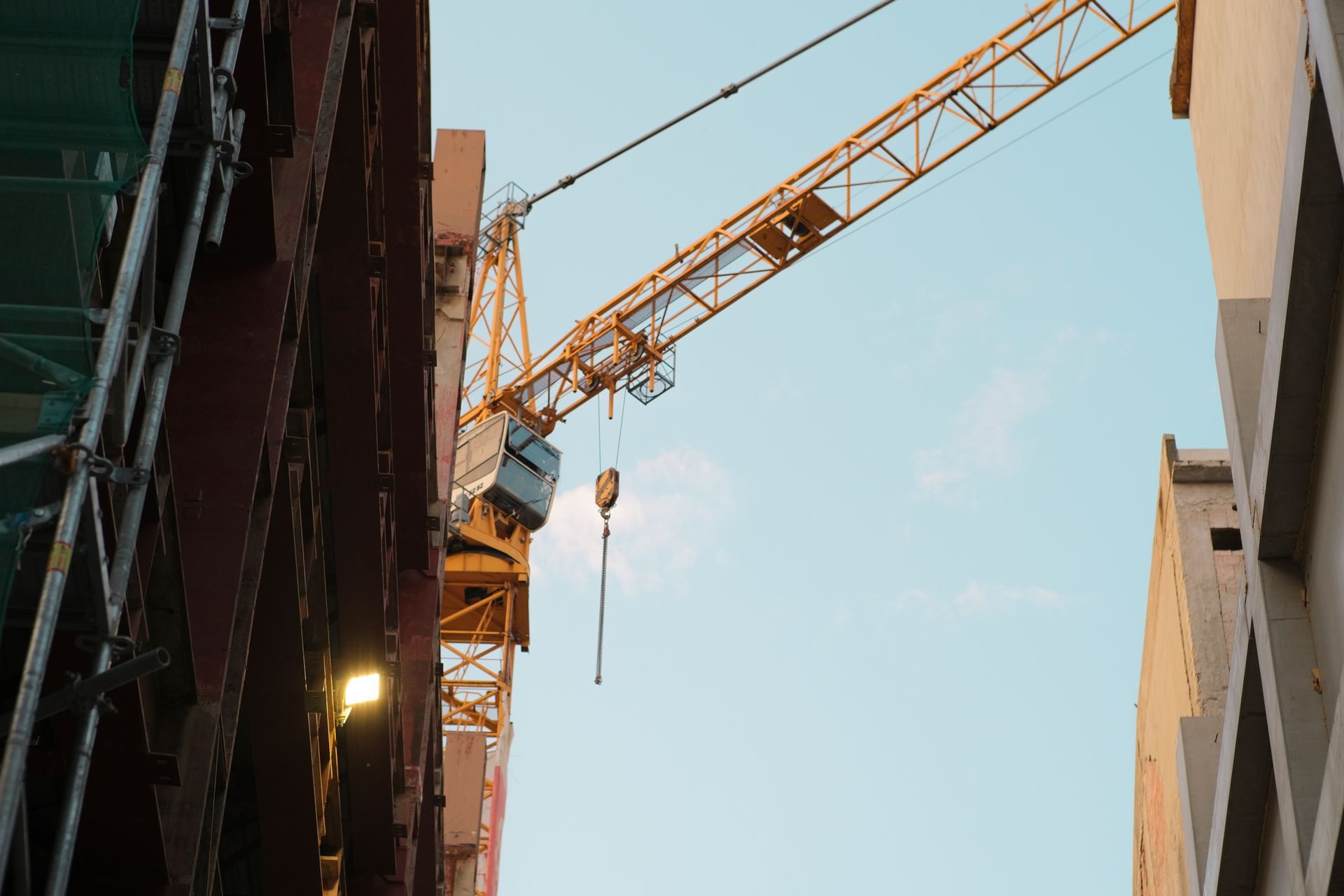
Construction wage pressure in Israeli urban projects has become a standing feature of city skylines rather than a temporary spike. When crews command higher daily rates and overtime premiums, every tower, hospital wing, and transit station feels the effect in both schedule and budget. This article unpacks the plain terms and working concepts so any adult reader can follow the conversation without a specialist background.
Rising Pay Bids on Tel Aviv Towers and Haifa Sites
Daily rates for formwork carpenters, ironworkers, and crane operators have climbed faster than general inflation in several dense municipalities. Developers bidding large residential or mixed-use packages now treat labor as a volatile line item rather than a fixed assumption. The same pressure appears in Haifa industrial retrofits and Jerusalem public buildings, though the absolute numbers differ by local supply. Readers tracking the broader market can consult the Israel Real Estate Market 2026: The Outlook Serious Investors Need for how these cost shifts feed into delivery forecasts. Foundation covers the pattern because it shapes every urban investment decision.
Core Vocabulary Behind Construction Cost Escalation
Wage pressure is the sustained upward movement in hourly or daily pay that exceeds baseline productivity gains. A related idea is labor cost escalation, which appears in multi-year contracts as a percentage allowance or an index formula. Contingency for labor simply means the extra money set aside when bids arrive above the first estimate. Collective agreements set floor rates for many trades, yet market scarcity can push actual offers well above those floors. Understanding these three phrases lets a non-expert read a project memo or a newspaper brief without guessing. The Israel Central Bureau of Statistics publishes wage indices that contractors and owners both watch.
Why Urban Density Makes Labor Scarcer
High-rise cores and tightly packed neighborhoods leave little room for temporary worker housing or large lay-down yards. Crews therefore commute longer distances or demand premium housing allowances, which quickly convert into higher gross pay. Limited staging space also slows material handling, so more hours are needed for the same volume of concrete or steel. These frictions compound when several towers rise within a few blocks of one another. Parallel demand for water infrastructure, explored in Desalination Capacity and Urban Expansion: How the Market Actually Works, further competes for the same skilled people. Density is therefore not only a design challenge but a direct driver of wage pressure.
Contract Clauses That Absorb or Pass Through Wage Spikes
Fixed-price agreements leave the contractor exposed if pay rates jump after the bid date. Cost-plus or target-price contracts shift more of that risk to the owner, often with audit rights and shared savings. Escalation clauses keyed to published indices give both sides a transparent path for adjustment. Subcontractor flow-down language determines whether a general contractor can force trade partners to hold their prices. Owners who ignore these mechanics often discover mid-project that claims for extra labor cost are inevitable. Guidance from the Israel Ministry of Construction and Housing frequently stresses clearer risk allocation in public tenders.
Index formulas and their limits
An index formula multiplies the original labor budget by the percentage change in a chosen wage series. The choice of series, base month, and cap or floor can decide whether the owner or the builder carries most of the pain. Pure indexation rarely covers productivity losses caused by congestion or weather, so parties still negotiate those claims separately.
Foreign Worker Quotas and Local Skill Gaps
Israel maintains controlled quotas for non-citizen construction labor. When quotas tighten or administrative processing slows, local tradespeople face less competition and can raise their asking rates. Training pipelines for Israeli workers have expanded, yet they have not fully closed the gap in high-rise formwork and specialized mechanical trades. Employers therefore mix local crews with authorized foreign workers, and any disruption in that mix immediately appears as wage pressure. Comparative figures from the OECD show that several peer economies face similar skill bottlenecks in urban construction. Household formation patterns, including those discussed in Haredi Household Size and Unit Mix: Common Misconceptions Cleared Up, also influence long-term demand for new units and therefore for construction labor.
Measuring Pressure Through Public Data Sources
Monthly wage indices, building-start statistics, and employment surveys form the backbone of any serious overview. The Bank of Israel incorporates construction labor costs into its inflation and growth commentary. Cross-checking those releases against private contractor surveys helps separate temporary noise from structural change. Macro comparisons appear in the IMF Israel country analysis, which places Israeli construction costs in a regional and global frame. Foundation readers who want the full archive of related market pieces can open the Israel Real Estate Market Trends archive. Site-selection constraints for sensitive facilities, covered under National Security Considerations in Israeli Data Center Site Selection, illustrate how security rules can further restrict available labor pools near certain urban edges.
Ripple Effects Into Housing Delivery Timelines
When wage pressure forces contractors to slow pours or reduce overtime, handover dates slip. Delayed apartments raise holding costs for developers and postpone property-tax revenue for municipalities. Hospitality projects face the same arithmetic; repositioning hotels in the capital, as outlined in Hospitality Repositioning in Jerusalem: What New Readers Should Know, must now bake larger labor contingencies into pro-forma models. Buyers and renters ultimately absorb part of the cost through higher prices or slower supply. The pattern is visible across residential, commercial, and public packages alike.
Further reading and common questions appear on the Foundation Blog and the permanent FAQ (frequently asked questions) page. Together they give non-experts a standing place to return when new wage data or tender results emerge. Construction wage pressure will remain a core theme of the israel mkt construction wage pressure overview for as long as dense cities keep building upward.
Readers comparing notes on Construction Wage Pressure in Urban Projects Key Terms in Israel should keep one dated source list and one named owner for updates so the next review of Construction Wage Pressure in Urban Projects Key Terms does not restart definitions. Article reference israel-224.
If two teams disagree about Construction Wage Pressure in Urban Projects Key Terms, write the disagreement in one paragraph with the evidence each side trusts before any money language expands around Construction Wage Pressure in Urban Projects Key Terms. Article reference israel-224.
A short refusal note for Construction Wage Pressure in Urban Projects Key Terms should say what was parked, why it was parked, and who can reopen the file on Construction Wage Pressure in Urban Projects Key Terms after new facts arrive in Israel. Article reference israel-224.
Readers comparing notes on Construction Wage Pressure in Urban Projects Key Terms in Israel should keep one dated source list and one named owner for updates so the next review of Construction Wage Pressure in Urban Projects Key Terms does not restart definitions. Article reference israel-224.
If two teams disagree about Construction Wage Pressure in Urban Projects Key Terms, write the disagreement in one paragraph with the evidence each side trusts before any money language expands around Construction Wage Pressure in Urban Projects Key Terms. Article reference israel-224.
Timeless Value. Perpetual Legacy.