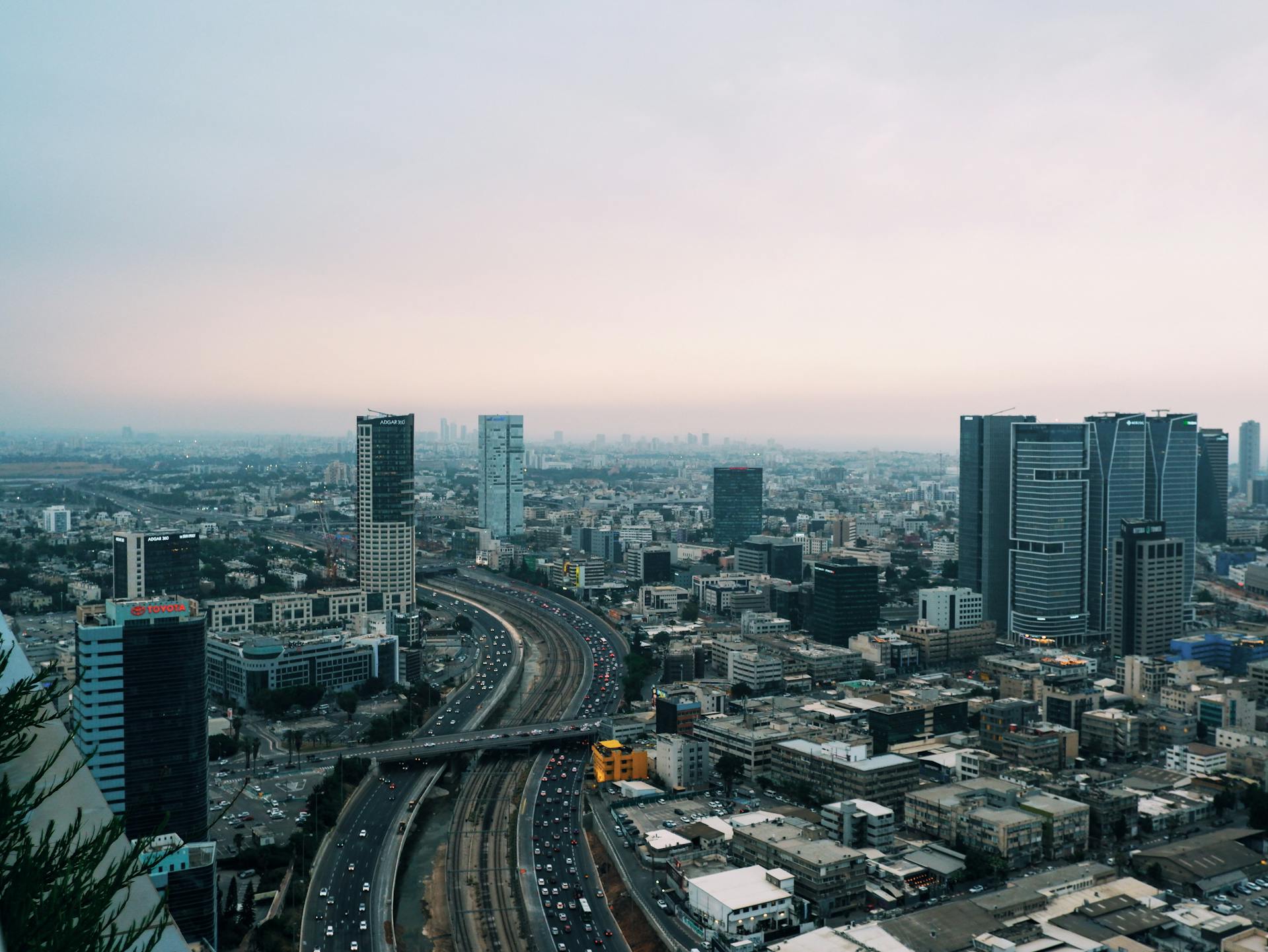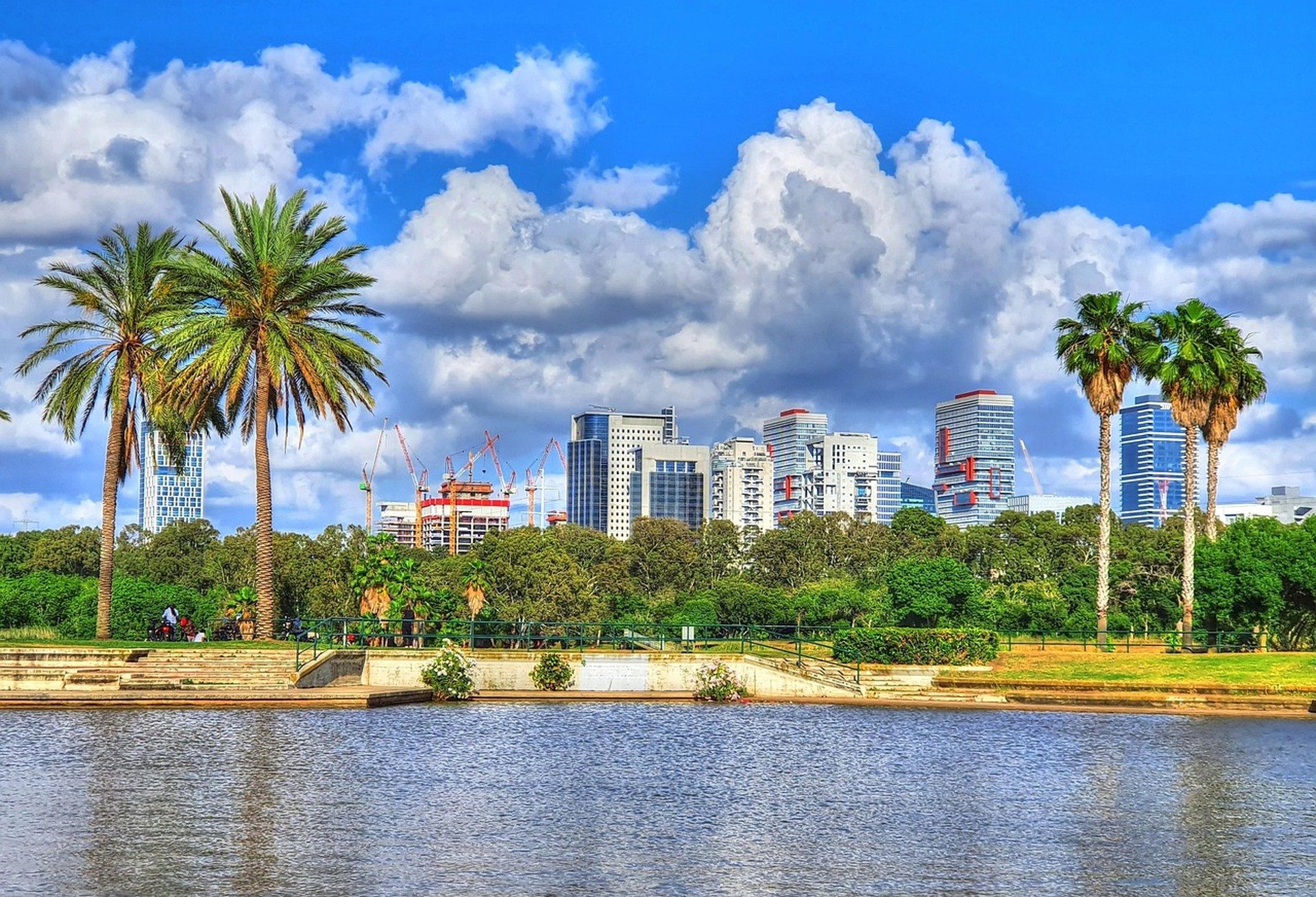
Jerusalem real estate trends 2026 emerge from a layered reading of transaction ledgers, permit approvals, and occupancy tallies rather than from headline speculation. Buyers and long-term holders who study these numbers find a city whose prices advance unevenly, neighborhood by neighborhood, while supply remains constrained by topography and planning delays. Foundation presents the pattern for adults who want plain facts without jargon or sales talk.
Recorded Asking Figures Climb in Uneven Steps
Sales deeds filed through late 2025 already sketch a clear path into 2026. Average residential prices in established western quarters rose roughly four percent year-over-year, while selected eastern sections posted gains closer to seven percent once renovation premiums are stripped out. The Israel Central Bureau of Statistics compiles these municipal transfers monthly, and its releases form the backbone of any honest forecast. Smaller three-room apartments continue to clear faster than large villas, a preference that compresses inventory at mid-price points and lifts the median asking figure faster than the mean. Foreign purchasers, though fewer in absolute terms than a decade ago, still account for a measurable share of higher-end closings, particularly when units offer private parking or elevator access.
Local agents report that sellers who list with verified energy ratings and recent system upgrades close contracts sooner. That practical edge appears directly in the logged selling price, which can exceed the municipal assessment by five to eight percent. Foundation readers tracking Jerusalem real estate trends 2026 should therefore examine the gap between asking and deed values rather than relying solely on listing portals.
Fresh Building Permits Point to Limited Near-Term Relief
Construction starts authorized for 2026 fall short of household formation rates inside the municipal boundaries. Planning committees released fewer than three thousand new residential units for the coming cycle, concentrated in Givat Shaul expansion zones and a handful of southern hillside parcels. Road widths and parking ratios remain binding constraints that slow density increases even when political support exists. Contractors survey the same limited plot map, so competition among developers keeps land values elevated. Buyers seeking brand-new stock should anticipate waiting lists that stretch nine to fourteen months after foundation pouring.
Older buildings scheduled for demolition-and-rebuild under TAMA 38 type programs add only a modest offset. Completion rates lag because financing costs for interim housing remain high relative to rentals. Anyone comparing pipeline numbers with demand growth will notice the imbalance immediately. For broader corridor context see Mapping Israel's Central Growth Corridor From Tel Aviv to Jerusalem, which places Jerusalem supply within the national spine.
Mortgage Inquiry Volumes Signal Selective Appetite
Banks report that pre-approval requests for Jerusalem residences rose twelve percent in the final quarter of 2025, yet actual mortgage drawdowns grew only half as fast. Prospective owners are shopping carefully, preferring fixed-rate products once they see Bank of Israel rate guidance hold steady. Young couples still dominate the two- and three-room segment, while multi-generational families drive demand for garden-level units capable of conversion. Cash buyers appear more frequently in the luxury tier, shortening negotiation periods when a property meets their checklist on day one.
Inquiry heat maps also reveal pockets of cooling interest. Areas adjacent to heavy tourism corridors show longer marketing times, suggesting fatigue with short-term rental conversion pressure. The pattern underscores a shift toward owner-occupier security rather than pure yield chasing. Cross-city benchmarks appear in Comparing Price Growth Across Israel's Secondary Cities, helping isolate Jerusalem’s distinctive pace.
Transit Expansions Recalibrate Accessibility Premiums
Light-rail extensions and new bus rapid-transit lanes scheduled for progressive opening through 2026 already factor into current pricing. Properties within a seven-minute walk of confirmed stops command a documented three-to-six percent premium over otherwise identical units farther from the corridor. Completion risk still exists, yet registered deeds already price in partial certainty. Property managers note that units near future stations experience fewer vacancy days even before rails are laid.
Opposite effects appear along temporary construction detours: short-term rental income dips until work finishes, then rebounds above prior levels. Owners who plan renovations around the final timetable capture the rebound more cleanly. Broader southern patterns receive separate treatment in Southern Israel's Development Corridor Gains Investor Attention, useful for readers weighing multi-city exposure.
Neighborhood Performance Gaps Grow Measurable
Talpiot and Arnona continue to post steady transaction volumes with modest price appreciation tied to commercial revitalization. In contrast, parts of Katamon and Bakaa display sharper year-over-year jumps after infill projects improve streetscapes. Har Homa and Gilo register slower turnover yet attract first-time owners seeking larger floor plans at lower absolute cost. The data set therefore rewards street-level rather than city-wide averages. Anyone considering an emerging pocket can consult A Smart Strategy Playbook for Jerusalem's Emerging Neighborhoods for practical selection filters that match the latest ledger.
Office-adjacent residential blocks near government campuses show different dynamics. Daytime pedestrian traffic supports ground-floor retail, which in turn stabilizes residential demand above. That spillover is absent in purely residential outskirts. Herzliya’s parallel mix of uses offers instructive contrast via Herzliya's Office and Residential Market in Focus.
Rental Income Stability Versus Sale Price Growth
Gross yields in Jerusalem hovered near three-and-a-half percent through 2025, compressed by rising purchase prices rather than falling rents. Family-sized units hold rents better than micro-studios because corporate and diplomatic tenants still require three bedrooms. Seasonal university demand fills smaller flats for ten months of the year, after which owners must decide whether short-term platforms compensate for the two empty months. Insurance and municipal taxes rise with assessed values, trimming net income even when the rent check stays constant.
Longer holding periods therefore depend more on capital appreciation than cash flow. The IMF Israel country analysis places these local yields inside national interest-rate and growth forecasts, confirming that modest appreciation remains plausible under baseline scenarios. Readers who want the full national frame can turn next to Israel Real Estate Market 2026: The Outlook Serious Investors Need.
Data Sources That Keep the Projection Grounded
Primary numbers derive from municipal transfer tax records, planning-authority dashboards, and quarterly releases from statistical agencies. Secondary confirmation comes from bank mortgage origination files and developer progress reports. Cross-checking these independent streams prevents single-source bias. Foundation maintains an ongoing collection inside the Israel Real Estate Market Trends archive so readers can revisit earlier baseline years and judge consistency for themselves.
Questions that arise while reading ledgers, about foreign-purchase limits, inheritance tax triggers, or required renovation permits, find concise answers in the FAQ (frequently asked questions). No single metric guarantees success, yet the combination of constrained supply, selective demand, and infrastructure-driven premiums paints a coherent picture for 2026.
Public authority context: Israel Central Bureau of Statistics.
Readers comparing notes on Jerusalem Real Estate Trends What the Data Shows for 2026 in Israel should keep one dated source list and one named owner for updates so the next review of Jerusalem Real Estate Trends What the Data Shows for 2026 does not restart definitions. Article reference israel-171.
If two teams disagree about Jerusalem Real Estate Trends What the Data Shows for 2026, write the disagreement in one paragraph with the evidence each side trusts before any money language expands around Jerusalem Real Estate Trends What the Data Shows for 2026. Article reference israel-171.
Timeless Value. Perpetual Legacy.