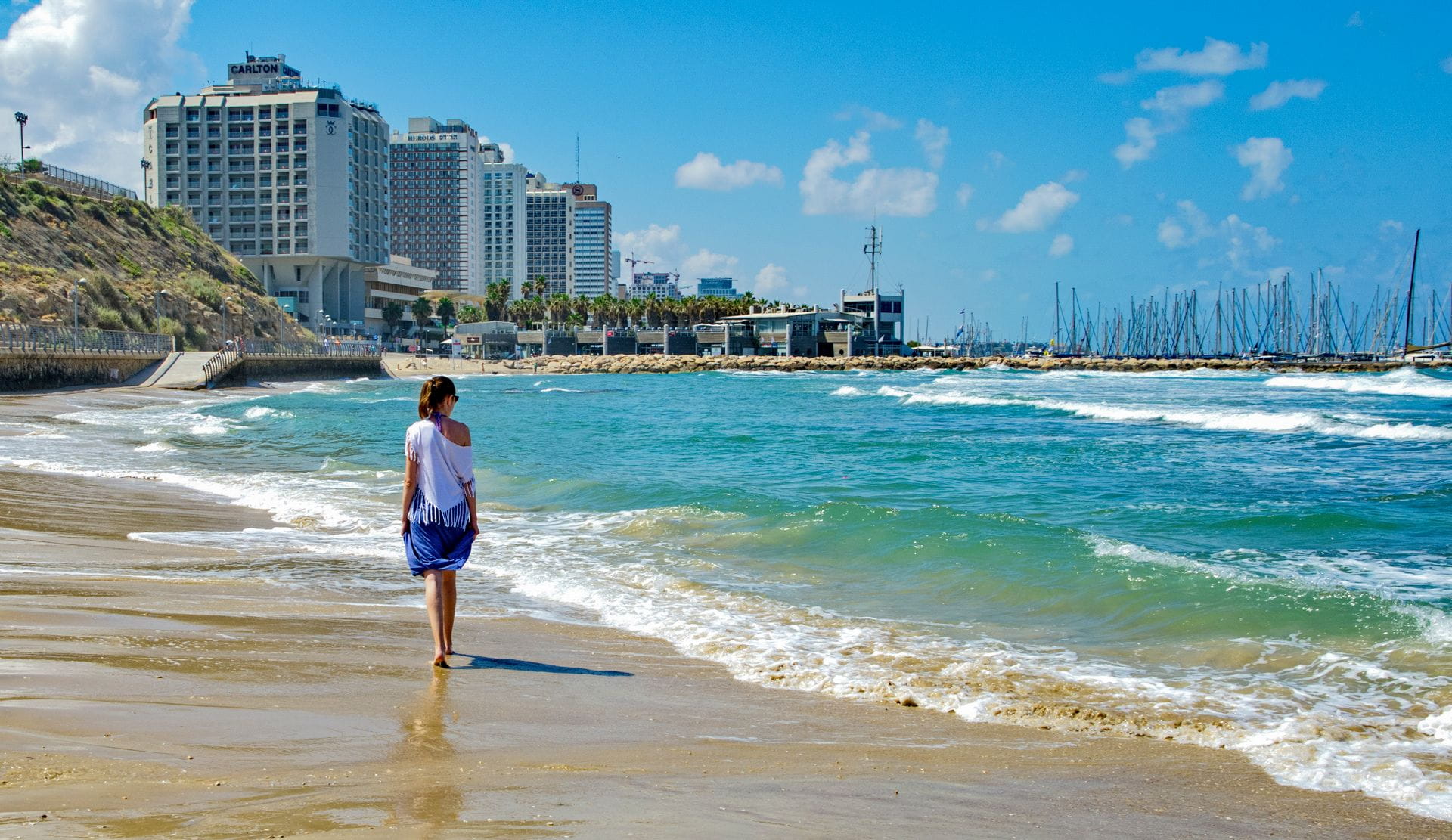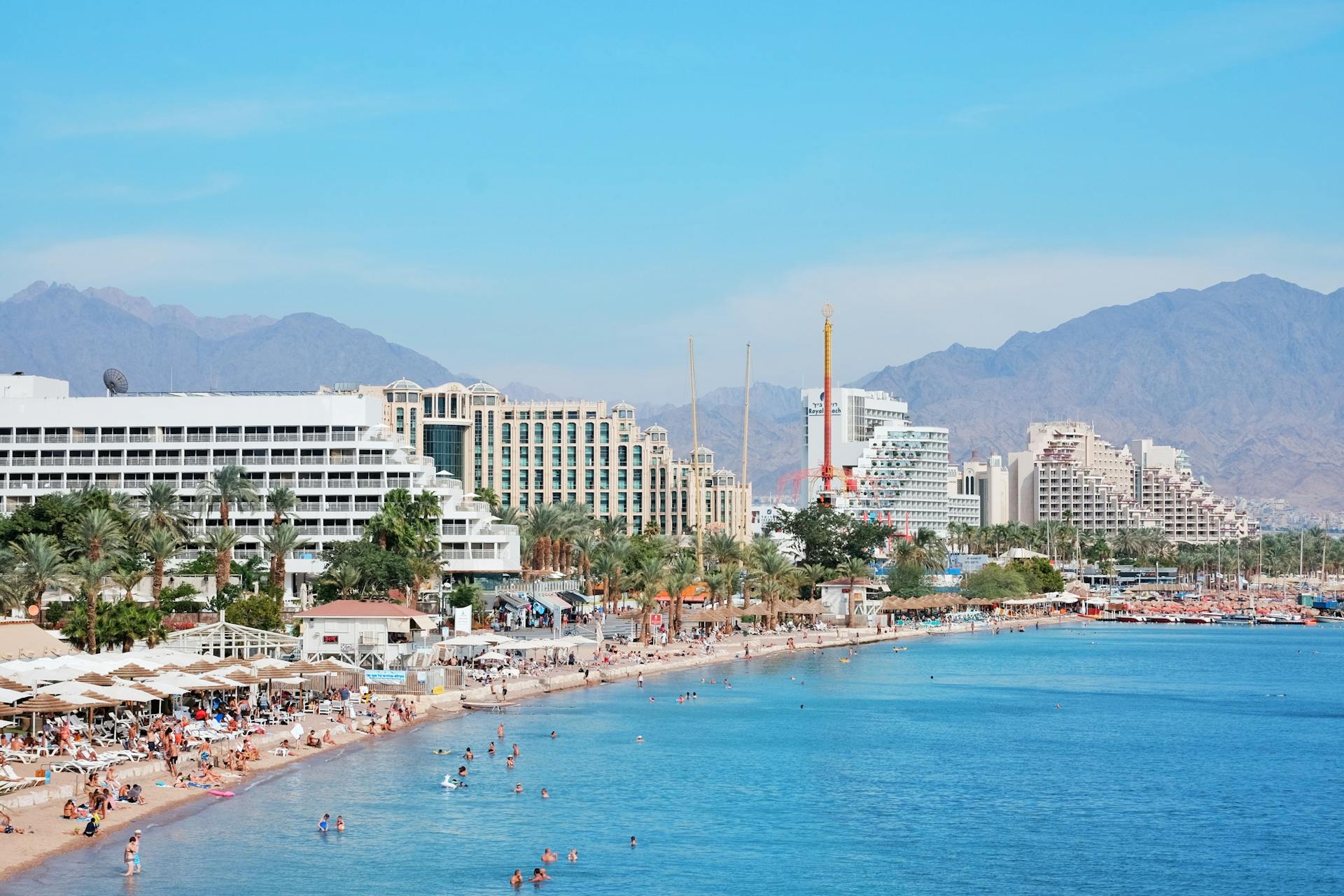
Coastal buildings in Israel face a mix of salt laden wind, storm surge, heat spikes and rising humidity that ordinary inspections miss until damage has already begun. Climate adaptation sensors turn those invisible stresses into readable numbers so operators can act early rather than after the next insurance claim. This article is a practical israel it coastal adaptation sensors playbook written for facility managers, asset owners and technical leads who keep Mediterranean facing towers, hotels and mixed use blocks running day after day.
Operators along the shoreline already know that paint peels faster and steel corrodes sooner near the sea. What changes with a modern sensor suite is the ability to quantify those rates, set clear thresholds and link the readings to maintenance budgets before structural safety is compromised. Foundation publishes this deep dive so non experts can grasp the hardware, the data streams and the decision logic without needing a research laboratory.
Salt Air Corrosion Signals That Sensors Detect First
Marine aerosols deposit chloride ions on every exposed surface. Corrosion sensors measure electrical resistance changes in thin sacrificial coupons or embedded probes placed on balconies, curtain wall anchors and mechanical plant rooms. When resistance drops below a calibrated baseline the system flags accelerated metal loss. Early alerts let teams schedule protective coatings or sacrificial anodes while steel sections still retain design strength.
Israeli coastal sites experience higher chloride deposition during winter storms that drive waves inland. Continuous logging shows operators which elevations and orientations suffer the heaviest load. That map guides selective upgrades instead of blanket refurbishment, keeping capital expenditure focused. Readings also feed long term models that support conversations with insurers about premium adjustments based on measured risk reduction.
Many portfolios already track indoor air quality; adding corrosion nodes is a modest extension of the same network. The payoff appears in fewer emergency repairs after gales and in documented evidence that the building envelope is managed rather than merely observed.
Wave Pressure and Surge Monitoring Along the Mediterranean Edge
Pressure transducers mounted on sea walls, lower basement walls and ground floor lobby glazing record instantaneous force from wave run up or storm surge. Data arrives in kilopascals at second or sub second intervals so peak loads can be compared against design values. Operators learn whether a recent storm exceeded the original engineering assumptions and can prioritize reinforcement before the next event.
Elevation of the lowest sensors is critical. Placement too high misses the actual impact zone; placement too low risks permanent immersion and sensor failure. Surveyors typically set the array relative to the national geodetic datum and verify it after each major storm season. The resulting time series becomes a permanent record of coastal exposure for that specific site.
When pressure spikes coincide with high tide and low atmospheric pressure the combined loading can crack waterproofing membranes. Sensor logs allow teams to inspect only the zones that experienced overload rather than the entire perimeter. That selectivity saves both time and scaffold rental.
Humidity Gradients Inside Concrete Facades of Israeli Towers
Concrete absorbs moisture from salt air and then releases it slowly. Relative humidity probes embedded at different depths reveal whether the cover concrete is drying or remaining saturated. Persistent high humidity near rebar depth signals conditions that accelerate chloride induced corrosion even when surface paint looks intact.
Data from multiple floors show how stack effect and air conditioning cycles move moisture through the facade. Operators can adjust ventilation set points or seal specific joints once the gradient pattern is clear. Over months the same probes confirm whether remedial works actually reduced internal moisture.
Thermal cameras alone cannot distinguish surface condensation from deep saturation. Humidity sensors fill that gap and provide the quantitative evidence needed when discussing facade renewal budgets with ownership groups or lenders.
Integrating Sensor Arrays with Building Management Systems
Most coastal towers already run a building management system that controls chillers, elevators and lighting. Climate adaptation sensors join the same backbone using industrial protocols such as Modbus or BACnet. Once connected, corrosion, pressure and humidity values appear on the same dashboard as energy meters. Alarms can trigger work orders automatically or escalate to on call staff after hours.
Connectivity reliability matters more than raw sensor accuracy. Coastal sites sometimes suffer brief outages when storms damage local fiber or power lines. Redundant cellular gateways keep critical channels open. Operators evaluating wider digital upgrades often review Submarine Cable Connectivity and Israel's Digital Infrastructure Advantage because resilient backhaul underpins every real time monitoring strategy.
Integration also means mapping sensor identifiers to physical locations inside the asset register. Without that mapping an alert for “probe 17” remains meaningless. Clean asset data therefore becomes a prerequisite for any israel it coastal adaptation sensors playbook that aims to survive staff turnover.
Data Thresholds Operators Use for Evacuation or Reinforcement Decisions
Raw numbers mean little until they are tied to action levels. Corrosion rate above a defined microns per year may trigger coating inspection. Wave pressure exceeding design load by a set percentage may require temporary evacuation of ground floor retail. Humidity remaining above ninety percent for more than seventy two hours may schedule rebar potential surveys. These thresholds are site specific and should be written into the operations manual with clear ownership for each response.
Threshold setting benefits from external benchmarks. Guidance published by the OECD on climate resilient infrastructure helps frame long term risk tolerance while local engineering codes supply the structural limits. Operators who also manage inland stock sometimes compare coastal thresholds against inland ones to justify differential capital plans.
Documented decision trees reduce hesitation during multi day storms when staff fatigue is high. They also create an auditable trail that regulators and insurers can review after the fact. For broader questions on sensor selection and data policy the Foundation FAQ (frequently asked questions) collects common operator concerns in one place.
Power and Connectivity Constraints Near the Coast
Salt spray shortens the life of outdoor power supplies and wireless nodes. Enclosures rated for marine atmospheres, stainless fasteners and conformal coated circuit boards are non negotiable. Solar panels can power remote sensors on promenades or sea walls yet still require batteries sized for consecutive cloudy winter days. Wired power remains preferable wherever conduit can be protected.
Bandwidth demand is modest for environmental sensors yet latency still matters when pressure data must reach the control room within seconds. Operators planning larger digital investments often examine how AI Infrastructure Demand Is Reshaping Israel's Real Estate Map is driving fiber densification that coastal buildings can piggyback. Shared infrastructure lowers the marginal cost of adding adaptation sensors.
Battery replacement schedules should be logged in the same computerized maintenance system used for filters and fire pumps. Forgotten batteries produce silent failures that only surface during the next extreme event. A simple calendar alert prevents that outcome.
Calibration Practices for Long Term Reliability in Harsh Air
Every sensor drifts. Corrosion coupons must be weighed or replaced on a fixed cycle. Humidity probes need laboratory reference checks at least annually. Pressure transducers require zero and span verification after any mechanical shock. Calibration records become part of the building’s digital history and support warranty claims if a sensor fails prematurely.
Field calibration kits allow on site checks without removing the entire assembly. Teams train on the kits during quieter months so that storm season does not become the first practice opportunity. Cross checking adjacent sensors for agreement is a low cost sanity test between formal calibrations.
When multiple buildings share a central operations team the same calibration protocol should be applied everywhere. Consistency lets managers compare exposure levels across the portfolio and allocate scarce capital to the most stressed assets first. Owners considering repositioning older stock can link these readings to Value-Add Repositioning in Israel's Urban Core: A Step-by-Step Framework so technical risk informs the commercial upgrade path.
Cost Curves and Payback for Operators of Coastal Assets
Hardware cost is only the entry ticket. Installation labor, network integration, calibration contracts and staff training form the larger lifelong expense. Payback appears in three places: avoided emergency repairs, lower insurance deductibles after documented risk reduction, and extended service life of the structure itself. Operators who track these savings year by year build a clear case for expanding the sensor mesh to additional buildings.
Public policy also shapes the economics. The Israel Ministry of Construction and Housing periodically updates resilience guidelines that can influence permit conditions and grant eligibility. Alignment with those guidelines can unlock incentives that improve net present value. Monetary policy and construction finance conditions reported by the Bank of Israel further affect the timing of large capital outlays for sensor and facade work.
Portfolios that already model demand shifts from new residents can layer climate sensor data onto the same forecasts. Teams studying Aliyah Linked Housing Demand Forecasts: Technical Deep Dive for Operators gain a fuller picture of both occupancy pressure and physical risk. That dual view supports balanced investment decisions rather than single factor optimism.
Digital representations of the building envelope allow operators to test “what if” scenarios before committing cash. Linking live sensor feeds into Digital Twin Models for Housing Portfolios: Modeling Approaches That Scale turns static geometry into a living risk model. The same models help communicate urgency to non technical boards.
Coastal office clusters face special market pressure. Strategies that convert aging shoreline stock into premium space, such as those outlined in Herzliya Repositioning Strategy: Turning Coastal Offices Into Premium Assets, succeed only when physical resilience keeps pace with interior upgrades. Sensors supply the objective proof that the envelope can support higher rents and longer leases.
Readers seeking further technical depth on related topics can browse the full Infrastructure Technology archive for companion articles on connectivity, modeling and resilience hardware. Continuous learning keeps operators ahead of both the climate and the competitive market.
In practice the israel it coastal adaptation sensors playbook is less about exotic gadgets and more about disciplined measurement, clear thresholds and steady integration into everyday operations. Buildings that treat sensors as permanent staff rather than temporary projects accumulate an unbroken record of exposure and response. That record becomes a competitive advantage when tenants, lenders and insurers demand evidence of climate readiness.
Timeless Value. Perpetual Legacy.