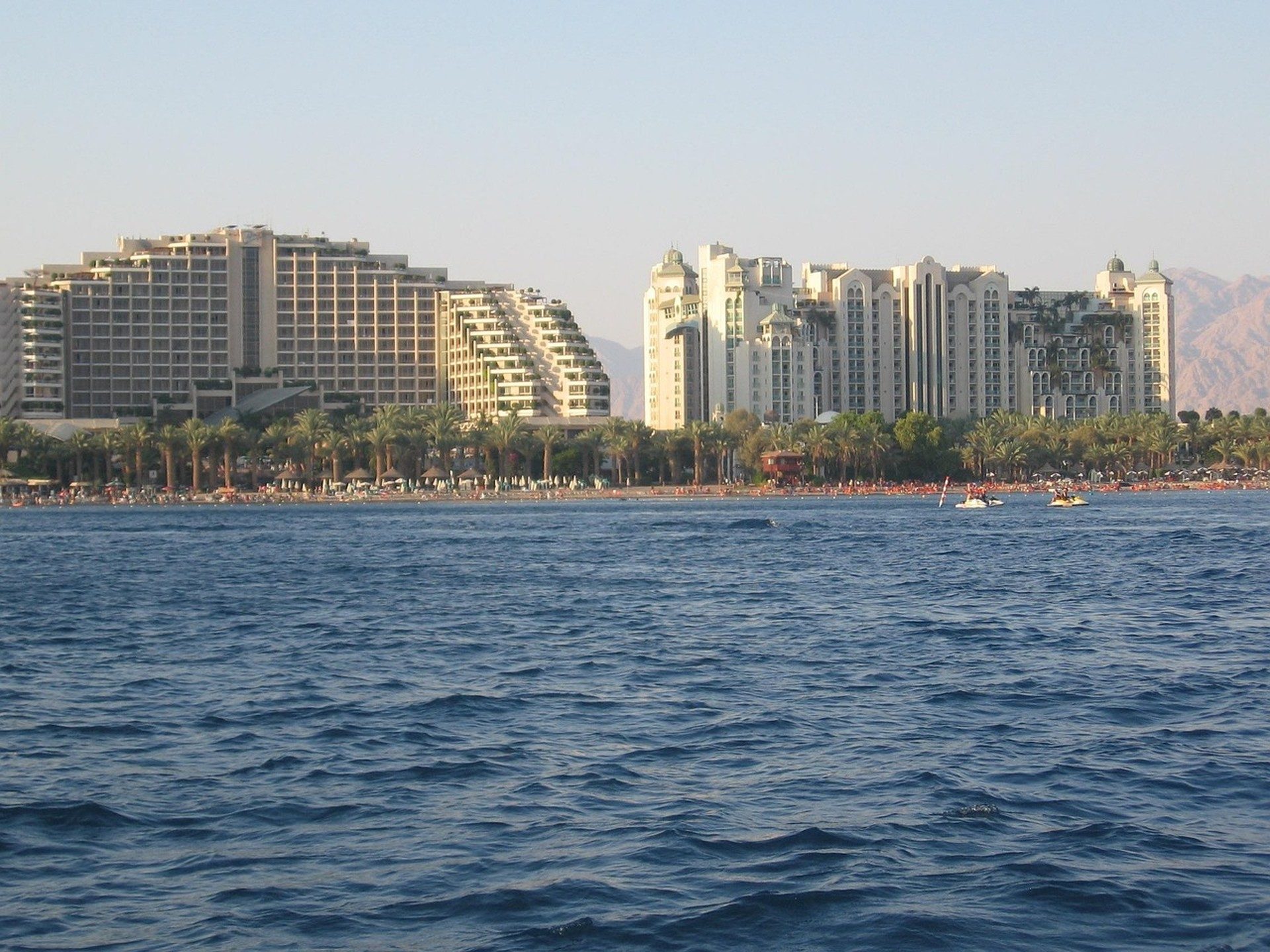
Hotel operators across Israel already know that summer heat spikes, coastal storms, and sudden winter flooding can shut down elevators, kitchens, and guest rooms faster than any seasonal dip in bookings. Climate resilience retrofits exist to keep those systems online so that reliability stays high and operational resilience becomes part of ordinary service rather than a crisis response. This article walks through the practical choices that turn a hospitality asset into one that keeps producing revenue when weather turns extreme.
Heat and Storm Loads That Test Hotel Uptime in Israel
Coastal properties from Tel Aviv to Haifa absorb salt air that corrodes mechanical equipment while inland hotels near Beersheba face dust storms that clog filters within days. Guests expect air conditioning, hot water, and working elevators even when outdoor temperatures climb past 40 degrees Celsius. Without deliberate upgrades, a single heat wave can force early checkouts and negative reviews that linger for months.
Data published by the Israel Central Bureau of Statistics show rising average summer highs and more frequent intense rainfall events. Those trends translate into higher peak cooling demand and more frequent basement flooding for properties built on older drainage standards. Operators who treat climate loads as design inputs rather than surprises protect both occupancy and staff morale.
Older coastal structures sometimes sit near heritage districts where exterior changes face extra review. In those cases the lessons from Heritage Preservation Business Models: Compliance Implications This Quarter help owners match resilience work with façade rules so projects stay on schedule.
Building Shell Improvements That Protect Room Comfort
Windows, roof membranes, and exterior walls form the first line of defense against heat and moisture. Replacing single-pane glass with low-emissivity sealed units cuts solar gain while still allowing daylight that guests prefer. Cool-roof coatings and additional insulation under flat roofs lower the temperature of the air that air-conditioning units must handle, which extends compressor life and reduces electricity bills during the longest summer days.
Sealant joints around window frames and balcony doors deserve close attention because wind-driven rain finds every gap. A modest investment in high-performance sealants and flashing can prevent mold claims that damage a brand far more than the cost of the materials. For hotels near redevelopment zones, coordination with nearby infrastructure plans such as those discussed in Port Adjacent Last Mile Redevelopment: Public Consultation Themes can reveal opportunities to share stormwater upgrades and reduce site-level flood risk.
Cooling and Ventilation Choices for Reliable Guest Service
Variable-refrigerant-flow systems and high-efficiency chillers give engineering teams finer control over room temperatures while drawing less power from the grid. Demand-controlled ventilation that senses carbon dioxide levels in conference rooms and lobbies avoids over-cooling empty spaces yet still delivers fresh air when occupancy rises. These measures keep indoor conditions stable even when outdoor electricity demand forces utilities to reduce voltage.
Maintenance access must be planned before equipment is ordered. Roof-mounted condensers that cannot be reached safely during a heat alert will fail exactly when guests need them most. Operators who schedule quarterly coil cleaning and filter replacement before peak season report fewer mid-summer emergency calls and more consistent guest satisfaction scores.
Water Security Measures Against Drought and Flash Events
Israeli hotels already operate under strict water-use rules, yet climate volatility adds new stress. Grey-water recycling for landscape irrigation and low-flow fixtures in guest bathrooms free potable water for kitchens and laundry. On-site storage tanks sized for at least 48 hours of essential use give properties a buffer when municipal pressure drops after a storm damages distribution lines.
Backflow preventers and elevated mechanical rooms protect potable systems from floodwater contamination. Properties that install these safeguards early avoid the costly process of flushing and re-certifying entire water networks after an event. Financing such work can follow capital-recycling patterns similar to those outlined in The BRRRR Method Applied to Israeli Real Estate: A Framework for Capital Efficie, where incremental improvements raise asset value and free equity for the next phase of upgrades.
Backup Power and Control Systems for Uninterrupted Operations
Grid reliability remains strong overall, yet localized outages still occur when demand soars. Natural-gas generators sized for elevators, kitchen cold rooms, and emergency lighting keep core functions running. Battery storage systems that cover short interruptions allow generators to start less often, which extends equipment life and reduces noise complaints from neighboring residents.
Smart building controllers that automatically shed non-essential loads during brownouts preserve power for guest-facing services. These controllers also log performance data that insurance carriers and lenders increasingly request. Owners of mixed-use complexes can study governance approaches described in REIT Governance for Mixed Use Assets: Policy Developments to Watch in 2026 to align energy investments with broader portfolio policy.
Monetary conditions that influence equipment-loan rates appear regularly in publications from the Bank of Israel. Tracking those signals helps asset managers time larger capital expenditures for periods when borrowing costs ease.
Training Teams So Retrofits Translate Into Daily Resilience
New equipment only delivers reliability when staff understand how to operate it under stress. Short monthly drills that walk engineers through generator start-up sequences and housekeepers through water-shutoff procedures turn theoretical capacity into practiced habit. Cross-training front-desk teams to communicate status updates calmly during an outage preserves guest trust even when some services are limited.
Partnerships with specialist operators can accelerate skill transfer. Structures explored in Joint Venture Governance for Senior Housing: Technical Deep Dive for Operators illustrate how clear decision rights and shared performance metrics keep complex assets running smoothly; the same clarity benefits hotel climate programs.
Readers who want broader market context can browse the Smart Strategies archive for related case studies and policy notes that update throughout the year.
Capital Planning Linked to Israeli Market Realities
Retrofits compete with room renovations and marketing budgets for limited capital. Phased programs that first address the highest-risk systems (cooling, power, water) and later expand to envelope and controls spread cost while still showing measurable risk reduction each year. Lenders and equity partners respond well to simple before-and-after metrics such as hours of cooling lost per summer or liters of water drawn from municipal sources per occupied room.
International comparisons published by the OECD place Israeli tourism infrastructure among the more climate-exposed yet also among the most adaptive in the region. That dual ranking supports arguments for early investment rather than deferred maintenance. Macroeconomic projections available through IMF Israel country analysis further help owners stress-test cash-flow models under different tourism-growth scenarios.
Common questions about project sequencing and incentive programs appear in the site FAQ (frequently asked questions), while ongoing market commentary lives on the Foundation Blog.
Tracking Results That Matter to Owners and Guests
Simple monthly dashboards that list generator run hours, peak electricity demand, guest comfort complaints, and water use per occupied room give leadership an early warning when systems drift. Comparing these figures season over season reveals whether the israel ss hotel climate retrofits reliability investment is delivering the expected operational resilience. When the numbers improve, marketing teams can legitimately promote the property as a dependable choice even during extreme weather, turning a risk-management project into a brand advantage.
Long-term value grows when resilience becomes routine rather than a one-time project. Properties that treat climate upgrades as continuous improvement cycles stay ahead of both physical risks and guest expectations, securing steady occupancy and lower insurance costs for years ahead.
Related Foundation reading: Foundation Ukraine.
Timeless Value. Perpetual Legacy.