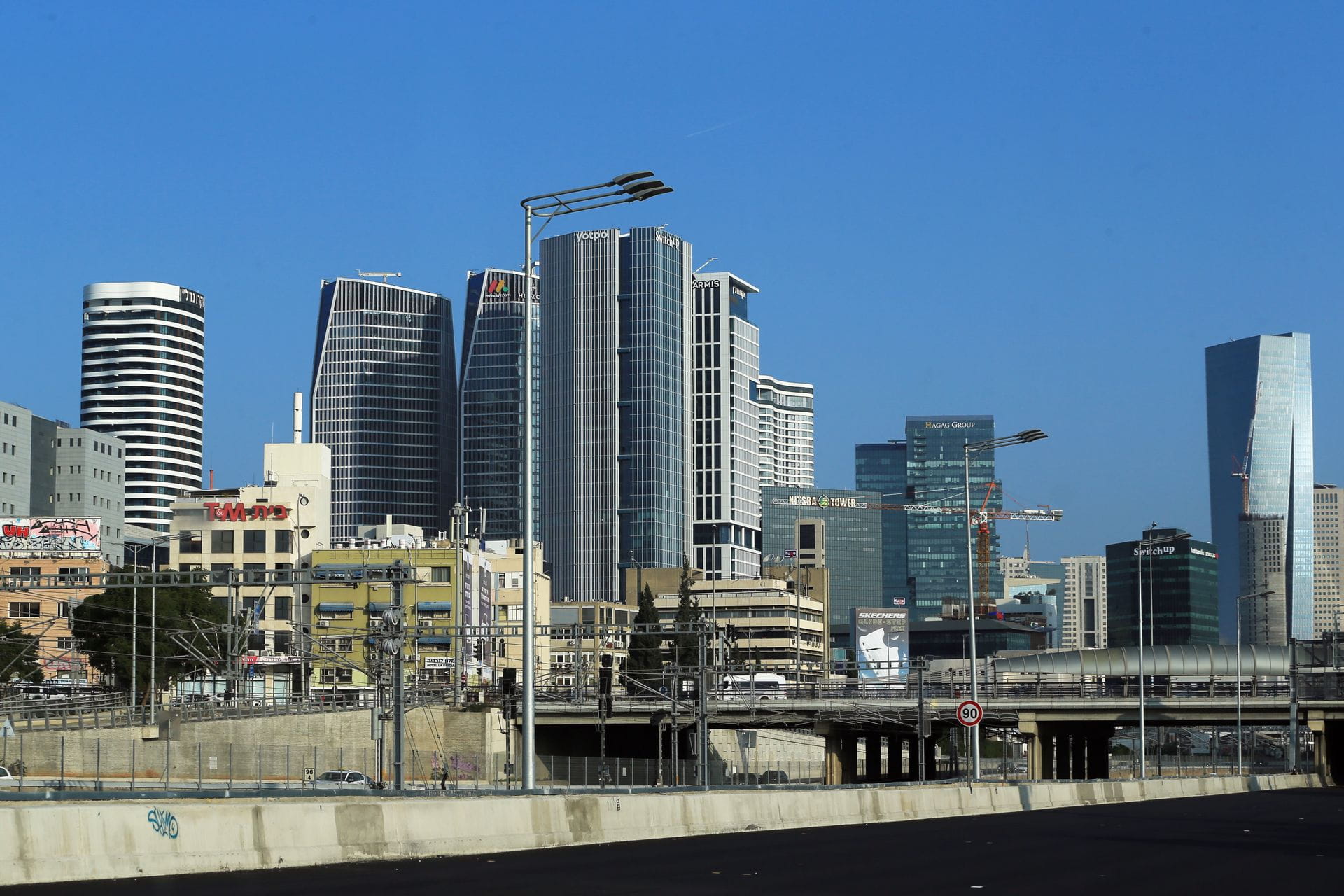
Building a multi-city real estate portfolio Israel investors can hold with confidence starts with seeing the country as connected corridors rather than isolated markets. Demand travels along rail, highway, and employment lines that link the coast, the hills, and the northern ports. A single strong city can deliver returns, yet concentration leaves any portfolio exposed when one local cycle cools. Spreading assets across those corridors creates a smoother income stream and opens more exit routes when capital needs shift.
Why Connected Corridors Beat Single-City Concentration
Israel’s population and jobs continue to cluster along a handful of high-capacity routes. Households follow employers, universities, and infrastructure upgrades. When one municipality faces temporary oversupply, another along the same spine often absorbs the slack. Diversifying across those linked areas reduces the impact of any single zoning fight or absorption pause. Foundation readers who track national figures from the Israel Central Bureau of Statistics see how internal migration and household formation reinforce this pattern year after year.
Monetary conditions set by the Bank of Israel also flow through corridors differently. Rate changes hit leveraged coastal apartments first, while more affordable secondary cities often keep renting. Holding both types of assets lets cash flow continue even when refinancing costs rise in the primary market.
Anchor Choices Along the Central and Northern Spines
Most multi-city portfolios begin with one reliable cash-flow city and one higher-growth partner. Tel Aviv metro assets usually serve as the cash engine because vacancy stays low and professional management is abundant. Pairing those holdings with Haifa-area or Jerusalem-area properties spreads both demand drivers and price volatility. The Due Diligence on Haifa Port Adjacent Sites: Metrics That Move Headlines article shows how logistics employment and infrastructure announcements can lift entire submarkets without waiting for national headlines.
Jerusalem offers a different demand profile rooted in government, education, and tourism. An Investor's Guide to Jerusalem's Real Estate Submarkets helps newcomers separate tourist-heavy streets from long-term residential blocks. Combining one Tel Aviv cash-flow building with one Jerusalem or Haifa growth asset already creates a two-corridor core that can later expand south or further north.
Matching Property Types to Corridor Strengths
Not every corridor needs the same asset class. Coastal routes near strong universities often favor well-located student housing. The Student Housing Bed Supply Gap: Supply and Demand Scorecard quantifies where beds still lag enrollment. Northern corridors with heavy industrial and port activity may reward light industrial or workforce apartments more than luxury condominiums. Matching product to local employment and demographic reality prevents vacant months that erase paper gains.
Policy direction from the Israel Ministry of Construction and Housing frequently accelerates certain product types in designated growth areas. Tracking those designations early lets a portfolio ride planning momentum instead of fighting it.
Capital Efficiency Across Multiple Purchase Points
Acquiring assets in several cities can stretch cash thin if every deal is purchased with large equity. Recycling capital through renovation and refinance keeps leverage productive. The BRRRR approach (buy, renovate, rent, refinance, repeat) has clear adaptations for Israeli markets. Readers can study What Is the BRRRR Method and Does It Work in Israel? for the basic mechanics, then move to The BRRRR Method Applied to Israeli Real Estate: A Framework for Capital Efficie for corridor-specific sequencing tips. Applying the cycle first in a liquid coastal city often frees equity for a second purchase farther along a growth line.
International comparisons published by the OECD and the IMF Israel country analysis remind investors that Israel’s housing markets remain relatively resilient by global standards, yet interest-rate sensitivity varies by city size. Multi-city structure lets operators refinance the stronger market first and leave the slower one on longer fixed terms.
Operational Realities of Scattered Ownership
Managing properties hundreds of kilometers apart requires systems, not just good intentions. Local property managers who know municipal permitting quirks save more money than they cost. Standardized leasing templates and remote camera walkthroughs keep oversight consistent. Foundation’s Smart Strategies archive collects practical operating checklists that scale from two cities to five without exploding administrative overhead.
Insurance, banking relationships, and tax filings also multiply with each new municipality. Opening accounts with banks that already operate nationwide simplifies cash sweeps and reduces currency conversion friction for overseas owners. Early coordination with a single tax advisor familiar with multi-city filings prevents later surprises.
Signals That Tell You When to Add the Next Corridor
Portfolio expansion should follow clear thresholds rather than excitement. When cash-on-cash returns in the core cities stabilize above target for four consecutive quarters and local vacancy remains under long-term averages, capacity exists for another city. Employment growth announcements, major transit openings, or new university campuses serve as leading indicators. Negative signals such as prolonged construction delays or sharp rises in local unemployment call for pause rather than automatic next purchase.
Common questions about thresholds and sequencing appear in the Foundation FAQ (frequently asked questions). Reading those answers before committing capital keeps decision criteria objective. Fresh market notes also appear regularly on the Foundation Blog, offering timely corridor snapshots without requiring full research reports each month.
Risk Layers That Multi-City Structure Naturally Dilutes
Currency risk for foreign buyers, interest-rate risk, and municipal regulation risk never disappear, yet they rarely peak in every city simultaneously. A rent control proposal in one district may leave neighboring corridors untouched. A temporary tourism drop that hits Jerusalem hotels may leave Haifa workforce apartments fully occupied. Spreading holdings therefore converts correlated risk into more manageable idiosyncratic risk.
Exit flexibility improves as well. Selling one asset to fund a better opportunity elsewhere becomes possible without dismantling the entire portfolio. That optionality is often undervalued until capital markets tighten and forced sales become expensive.
Building a multi-city real estate portfolio Israel growth corridors support is less about collecting trophies and more about deliberate sequencing of cash flow, growth, and capital recycling. Start with two complementary cities, master operations there, then extend along the same economic spines only when metrics confirm capacity. The resulting structure can weather single-market shocks while still participating in Israel’s long-term housing demand.
Readers comparing notes on Building a Multi City Portfolio Across Israel s Growth in Israel should keep one dated source list and one named owner for updates so the next review of Building a Multi City Portfolio Across Israel s Growth does not restart definitions. Article reference israel-155.
If two teams disagree about Building a Multi City Portfolio Across Israel s Growth, write the disagreement in one paragraph with the evidence each side trusts before any money language expands around Building a Multi City Portfolio Across Israel s Growth. Article reference israel-155.
A short refusal note for Building a Multi City Portfolio Across Israel s Growth should say what was parked, why it was parked, and who can reopen the file on Building a Multi City Portfolio Across Israel s Growth after new facts arrive in Israel. Article reference israel-155.
Readers comparing notes on Building a Multi City Portfolio Across Israel s Growth in Israel should keep one dated source list and one named owner for updates so the next review of Building a Multi City Portfolio Across Israel s Growth does not restart definitions. Article reference israel-155.
Related Foundation reading: Transit Upgrades and Hospitality Corridors: Measurement Protocols That.
Timeless Value. Perpetual Legacy.