Israel’s newest tech parks do not rise on empty land alone. They grow where roads, rails, buses, and airport runways already move people and freight with reliable rhythm. Transportation infrastructure decides which plots become magnets for engineers and which stay empty warehouses. For anyone watching real estate or careers in the sector, the concrete and asphalt around a campus often matter as much as the fiber cables inside it.
Rail Lines That Pull Engineers Toward Fresh Campuses
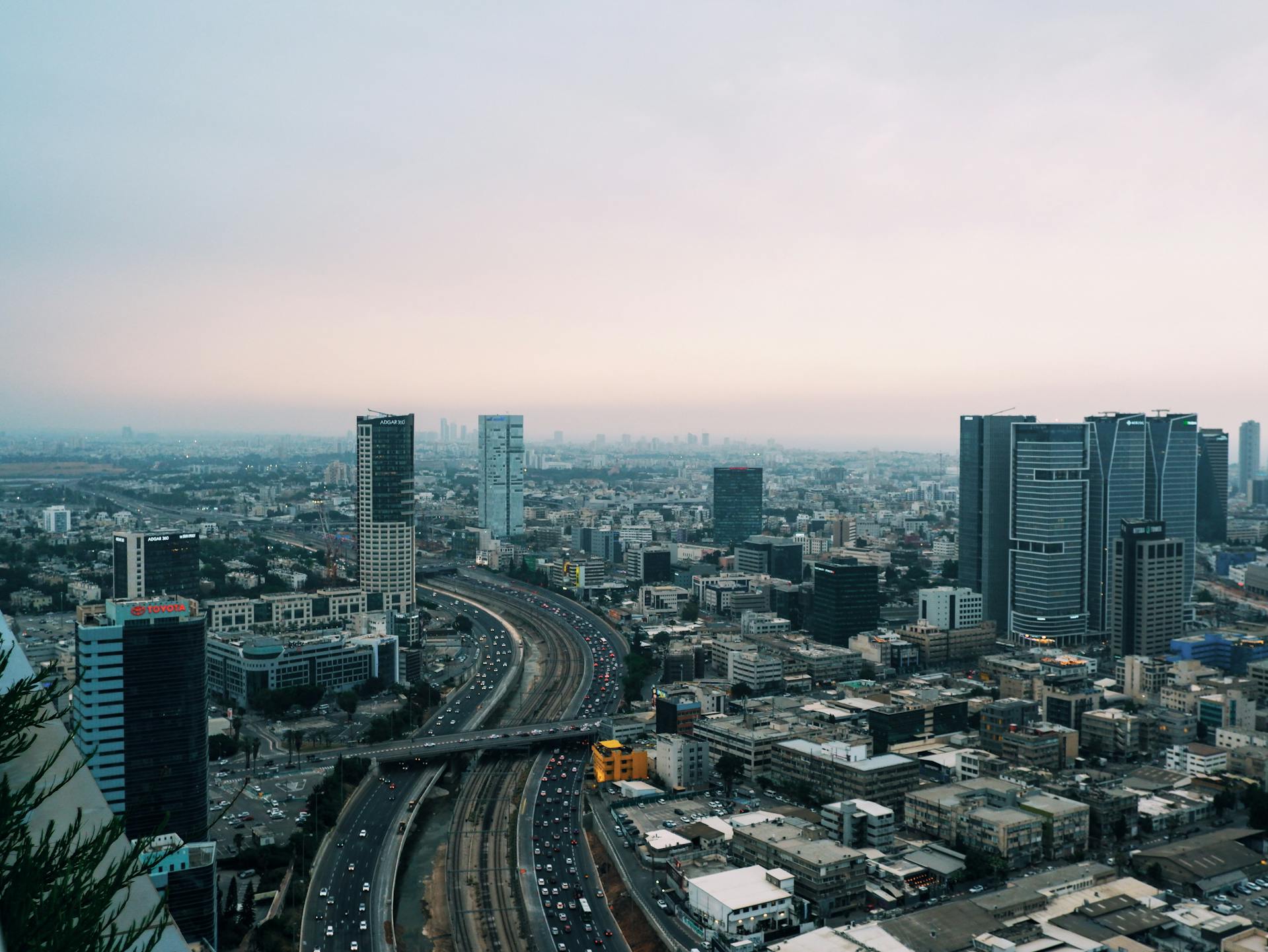
Heavy rail and light rail systems have rewritten the map of daily commuting. The Ayalon corridor and coastal main line already link Tel Aviv with Haifa and Beer Sheva, yet spur projects now reach planned tech parks farther inland. When a station opens within walking distance of office towers, land values climb because talent can leave the car at home. Companies cite shorter door-to-door times as a recruitment tool equal to salary. Readers who track supply data will notice that parcels near new stations fill faster; the same pattern appears when you study Reading Israel's Housing Supply Data Like an Institutional Investor for nearby residential units that house the workforce.
Light rail extensions in Jerusalem and the Red Line in Gush Dan already prove the point. Developers time groundbreaking to track-laying schedules so tenants move in as the first trains arrive. Delays in rail construction therefore cascade into empty floors and postponed hiring. The Israel Central Bureau of Statistics publishes ridership figures that investors use to forecast absorption rates for office space. Higher boardings near a park signal that the location has cleared the hardest hurdle: getting skilled staff through the door every morning.
Highway Expansions Opening Peripheral Innovation Zones
Not every tech park sits beside a train platform. Highway 6, Route 431, and upgraded interchanges around Yokneam and Kiryat Gat turn once-remote fields into viable sites. Dual-lane expansions cut travel time from central Israel by twenty to thirty minutes, enough to change an engineer’s housing calculus. Firms that need large floor plates for laboratories or data halls often prefer these lower-cost plots once the asphalt arrives. The Bank of Israel notes that improved road capacity supports regional growth without overheating core-city prices.
Construction crews widen bridges and add intelligent traffic systems that keep freight trucks moving at night when clean-room equipment arrives. Park managers then schedule shift changes around known peak windows so employee cars do not create new bottlenecks. Without those highway upgrades, peripheral parks would remain weekend destinations rather than weekday workplaces. Observers comparing sites often weigh travel-time savings against land price, a trade-off that also appears when firms evaluate AI Infrastructure Demand Is Reshaping Israel's Real Estate Map and the power-hungry buildings that follow.
Bus Networks and the Last-Mile Puzzle
Even perfect rail and highway links fail if the final kilometer is a dusty walk. Dedicated bus lanes, high-frequency shuttle loops, and protected bike paths solve that gap. Municipalities now require tech-park developers to fund or operate internal circulators that meet every train or intercity bus. Employees who live fifteen minutes away by car may live forty minutes away by public transport unless the park invests in its own fleet. Smartphone apps that show real-time arrivals further raise usage rates.
Some parks experiment with on-demand electric vans that replace fixed routes after 8 p.m., matching the flexible hours common in software teams. These small fleets reduce the parking ratio developers must build, freeing land for green space or additional labs. The OECD has highlighted similar last-mile programs in other dense economies as cost-effective ways to expand labor catchments without new freeways. Israeli planners study those models when they set permit conditions for the next wave of parks.
Airport Proximity and the Hardware Export Chain
Ben Gurion Airport remains the primary gateway for visiting investors, overseas engineers, and high-value components. Parks within a forty-five-minute drive gain an edge for companies that ship prototypes weekly or host foreign clients monthly. Dedicated cargo facilities and bonded warehouses near the airport cut customs clearance time, a quiet advantage for medical-device and semiconductor firms. Rail freight plans under discussion would eventually link the airport more tightly to southern parks, yet road access still dominates today.
Flight schedules also shape meeting culture. A campus that lets a New York investor land at 10 a.m. and reach the boardroom by noon wins more deals than one that requires an overnight stay. Site selectors therefore overlay airport drive-time maps with university talent pools, a practice explored further in Proximity to Universities as a Site Selection Factor for Tech Real Estate. Water security for those same campuses depends on parallel investments; see Desalination and Water Infrastructure Supporting Tech Campus Growth for how desalination plants keep labs running when rainfall is low.
Port Access for Heavy Equipment and Materials
Haifa and Ashdod ports handle the steel, glass, and specialized machinery that build clean rooms and server halls. Efficient hinterland roads from those ports to inland parks reduce project risk. Congestion at port gates can delay a crane shipment by days, pushing construction schedules and interest costs higher. Recent dredging and new gate systems aim to shorten turnaround times, yet truck routes remain the critical link. Parks that sit astride those routes attract contractors who can bid lower because they face fewer delays.
Logistics firms already locate distribution centers next to emerging tech parks so spare parts for robotic assembly lines arrive within hours rather than days. That adjacency lowers inventory costs for manufacturers who still keep physical production in Israel. The IMF Israel country analysis underscores how trade infrastructure supports export-oriented growth, a point that holds for both software services and tangible hardware leaving the country.
Public Funding Streams That Lay Pavement First
National and municipal budgets decide which corridors advance from drawing board to asphalt. Multi-year programs managed by the Israel Ministry of Construction and Housing allocate money for interchanges and park-and-ride lots precisely because they unlock private investment in office space. Public-private partnerships sometimes shift risk: a developer may finance a connector road in exchange for density bonuses. Transparency around those deals helps outsiders judge whether a announced park will open on schedule.
Bond issues and development levies also pay for noise barriers and pedestrian overpasses that make parks livable for surrounding neighborhoods. Without those soft elements, local opposition can stall projects for years. Foundation readers can follow the full set of infrastructure topics in the Infrastructure Technology archive and find shorter updates on the Blog. Common questions about timelines and data sources appear in the FAQ (frequently asked questions). For specialized power needs that ride alongside transport upgrades, examine Quantum Computing Infrastructure: An Early Look at Israeli Real Estate Demand.
Congestion Signals That Steer Corporate Site Picks
Average speeds at 8 a.m. and 6 p.m. appear in every serious location brief. When a corridor’s free-flow speed drops below 40 km/h for more than an hour each day, human-resources teams flag the site as risky for retention. Real-time sensor networks now feed open dashboards that planners and private firms both watch. A park that adds a dedicated ramp or signal priority for buses can reverse a negative trend within months, turning a liability into a selling point.
Employers also measure reverse-commute potential: can staff who live in the center reach a peripheral park against the main traffic flow? Parks that succeed on that metric often market themselves as less stressful than core Tel Aviv towers. The same data sets that track cars can later guide autonomous-shuttle trials, keeping the infrastructure conversation open-ended rather than finished.
Transportation choices made this decade will lock in the geography of Israel’s tech landscape for the next generation. Parks that sit on robust multi-modal networks will fill first, house more advanced labs, and weather economic cycles better than those waiting for future roads. Watching the asphalt, rails, and bus lanes is therefore not a side interest; it is the core map of opportunity.
Related Foundation reading: A Family Office Guide to Israel's Secondary City Opportunities.
Timeless Value. Perpetual Legacy.