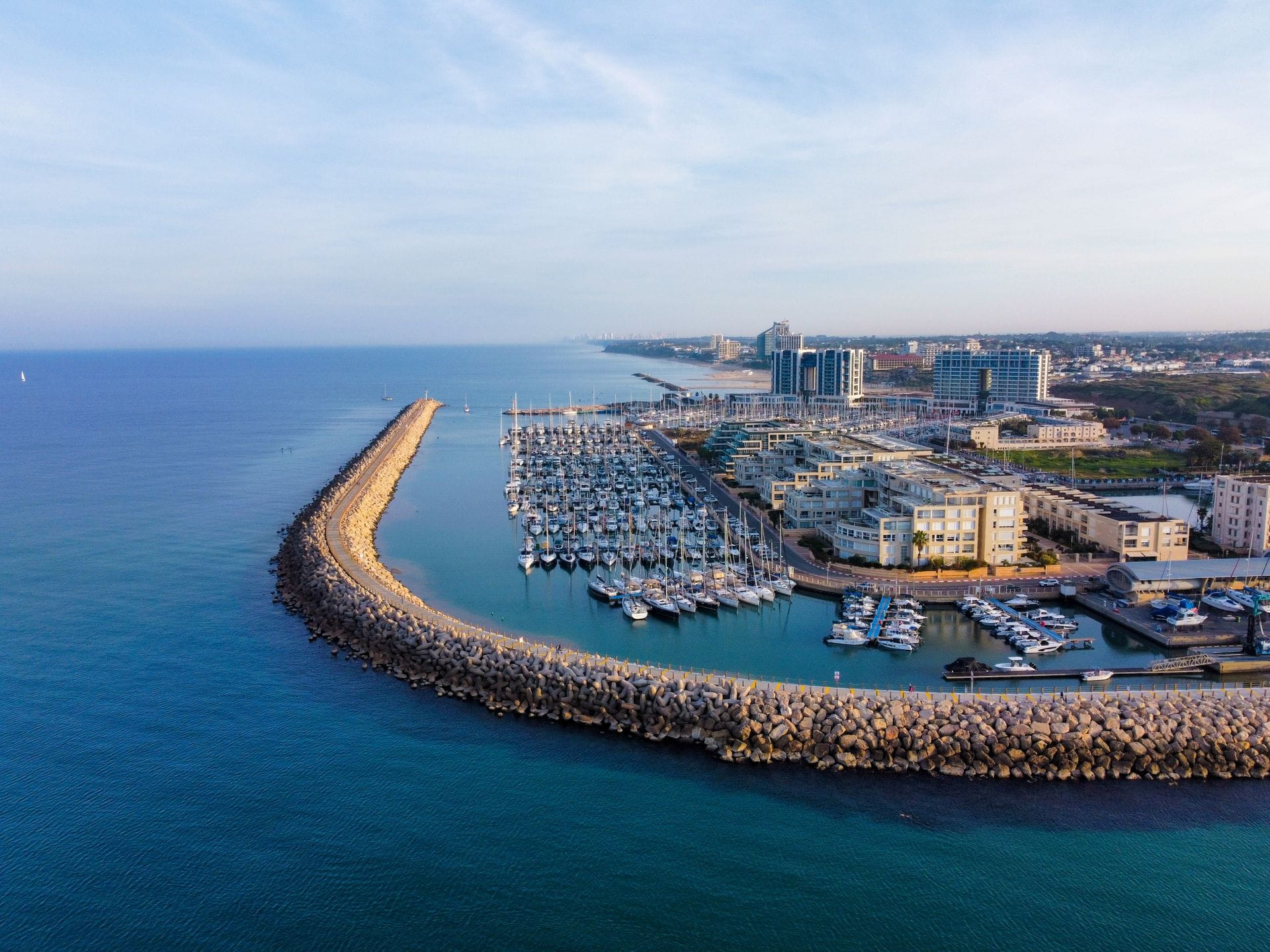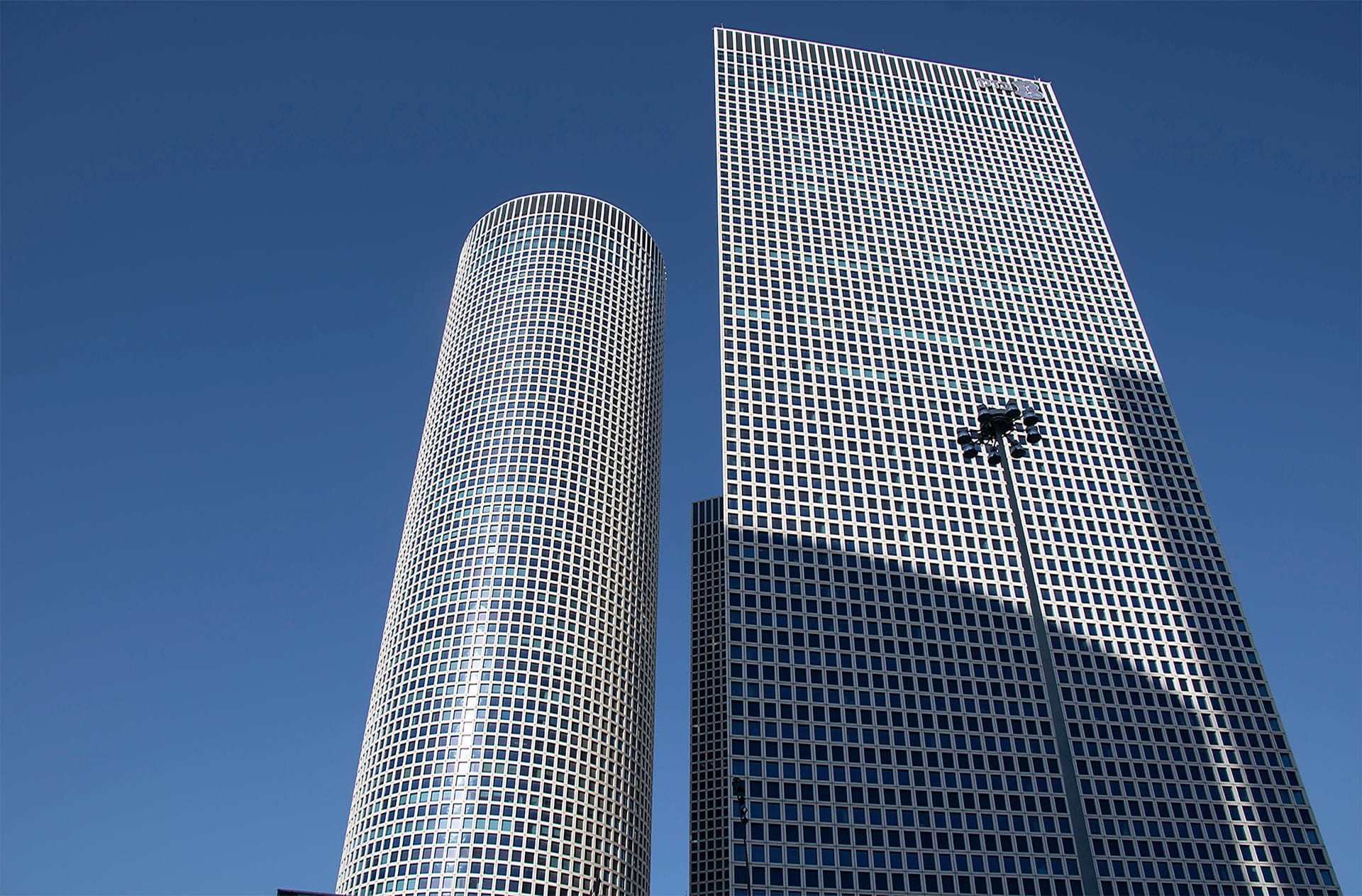
Edge computing real estate Israel is no longer a side conversation among network engineers. It now shows up in lease talks, zoning filings, and capital plans that affect ordinary offices, factories, and logistics yards. Foundation examines how demand for low latency processing is reshaping the physical map of sites across the country without assuming readers already know the jargon.
Edge means placing small clusters of servers nearer to people and machines that generate data so answers return in a few milliseconds rather than travelling all the way to a distant campus. That simple idea creates a new real estate pattern: many modest footprints instead of one giant shell. The pattern touches power substations, fiber routes, industrial plots, and even selected retail basements.
Readers who want a wider view of related infrastructure themes can browse the Infrastructure Technology archive after finishing this piece. The sections that follow stay grounded in Israeli geography, regulation, and market behaviour so non experts can judge where opportunity and friction actually sit.
Why Edge Workloads Prefer Short Distances to Israeli Users
Mobile phones, factory sensors, hospital imaging devices, and autonomous vehicle trials all produce streams of data that lose value if delayed. Sending every packet to a faraway facility wastes time and bandwidth. Local nodes process the urgent slice and forward only summaries. In practice that means a few racks inside a secure room within a few kilometres of the demand centre.
Population density along the coastal plain makes those short distances commercially viable. Developers who once chased only large parcels now evaluate mid sized industrial buildings that already sit near highways and mobile towers. The same logic appears in secondary cities where municipal fibre and power upgrades have improved reliability enough to host micro facilities.
Economic context helps. Reports from the IMF Israel country analysis note steady technology export growth that keeps pressure on digital infrastructure. Edge capacity is one way local firms keep services responsive while they expand exports.
Latency Zones That Reward Urban Edge Placement
Latency is simply the time a signal needs to travel and return. Fibre light is fast, yet every extra kilometre still adds delay. Edge operators therefore draw latency zones around major employment hubs, ports, and university clusters. Sites inside those circles command premiums because they serve more users with fewer hops.
Mapping those zones reveals clear winners. Greater Tel Aviv remains the densest demand pocket, followed by Haifa Bay and selected corridors toward Jerusalem and Beer Sheva. Rural parcels can host larger traditional data centres, but pure edge work rarely needs that scale. Landlords who own mid block industrial stock inside the circles suddenly find new inquiry traffic.
Connectivity quality inside each zone matters as much as pure distance. The practical guide Fiber Connectivity as a Site Selection Factor for Israeli Data Centers explains how route diversity and carrier counts influence final shortlists. Edge tenants copy the same checklist even when they rent far less floor area.
Physical Shell Requirements for Compact Edge Rooms
An edge room rarely exceeds a few hundred square metres. Still it needs raised floors or solid slabs strong enough for dense equipment, controlled access, and reliable electricity with backup. Many existing warehouses already meet half those points; the other half can be added with modest capital if the location is right.
Ceiling height, loading docks, and generator pads remain relevant. Operators also check whether the building can accept modular power units without lengthy municipal redesign. Fire code compliance and acoustic insulation for neighbourhoods add further filters. Properties that clear these bars without heavy reconstruction attract faster lease signatures.
Parcel size itself is often smaller than classic campus needs. That shift is detailed in Land Requirements for Data Center Development in Israel, which contrasts large greenfield plots with the tighter urban lots that edge projects prefer. Investors who hold the latter assets gain optionality.
Regional Placement Patterns Along Israel’s Economic Corridors
Coastal demand still dominates, yet inland nodes are rising. Beer Sheva’s technology parks and the southern logistics belt attract edge capacity that serves both civilian and defence related networks. The north shows similar growth near Haifa’s industrial zones and the Galilee tech cluster. Each corridor develops its own supply of suitable shells.
Statistics published by the Israel Central Bureau of Statistics track industrial building stock and electricity consumption by district. Those numbers help developers forecast which municipalities can absorb extra load without multi year grid waits. Smart site selection therefore pairs real estate availability with published infrastructure metrics.
Cross border fibre landings and submarine cable points also influence placement. Edge rooms that sit near international gateways can reduce the distance for traffic that must leave or enter the country, adding another layer of strategic value for certain tenants.
Electricity Reliability Filters That Quietly Decide Sites
Continuous power is non negotiable. Edge operators study substation capacity, dual feed possibilities, and historical outage records before signing. Buildings already wired for high load manufacturing or logistics often convert more cleanly than pure office stock. Municipal cooperation on transformer upgrades can tip the balance between two otherwise equal parcels.
Redundancy design stays pragmatic. A single generator and battery string may suffice for many edge cases, unlike the multi megawatt diesel farms of hyperscale campuses. That lower bar widens the pool of candidate buildings while still protecting service levels. Owners who document existing electrical diagrams and recent load tests shorten the due diligence cycle dramatically.
Monetary policy and investment climate shape how quickly such upgrades occur. Commentary from the Bank of Israel on credit conditions and capital formation gives landlords a sense of whether financing for power works will be readily available in the next planning cycle.
Who Occupies Edge Space and How That Differs From Hyperscale
Edge rooms host a mix of cloud providers extending their reach, telecom operators supporting 5G slices, content platforms caching video, and enterprises protecting sensitive local data. The occupancy list is broader and more fragmented than the handful of global names that fill giant halls. Understanding those differences prevents mispricing. The overview Understanding the Tenant Profile Behind Israel's Data Center Boom clarifies how user types stack across facility sizes.
Lease terms also diverge. Edge contracts may run shorter or include expansion options inside the same building as demand grows. Security requirements can be high even when floor plates are small, especially for public sector or healthcare users. Landlords who prepare clear access protocols and audit trails gain an edge in negotiations.
Further reading on the larger compute wave appears in How AI Compute Demand Is Driving Israel's Infrastructure Boom and the companion piece AI Infrastructure Demand Is Reshaping Israel's Real Estate Map. Those articles show how edge nodes often sit at the outer rim of the same demand curve that fills hyperscale halls.
Linking Edge Footprints to the Arrival of Larger Campuses
Edge and hyperscale are complementary rather than rivals. Heavy training workloads still prefer large, efficient campuses while real time inference and caching prefer nearby nodes. Israel is seeing both layers develop in parallel. Readers can examine the campus side in Hyperscale Data Centers Are Arriving in Israel. Here Is What Changes.
The practical result for real estate professionals is a two speed market. Large remote parcels absorb one demand stream. Compact urban and suburban shells absorb another. Portfolios that hold both types capture more of the total spend. Foundation tracks that dual pattern so owners and advisors can allocate capital with clearer eyes.
Common questions about timelines, permits, and risk appear in the site FAQ (frequently asked questions). Reviewing those points after studying the sections above gives a complete starter picture of edge computing real estate Israel without requiring specialist background.
Timeless Value. Perpetual Legacy.