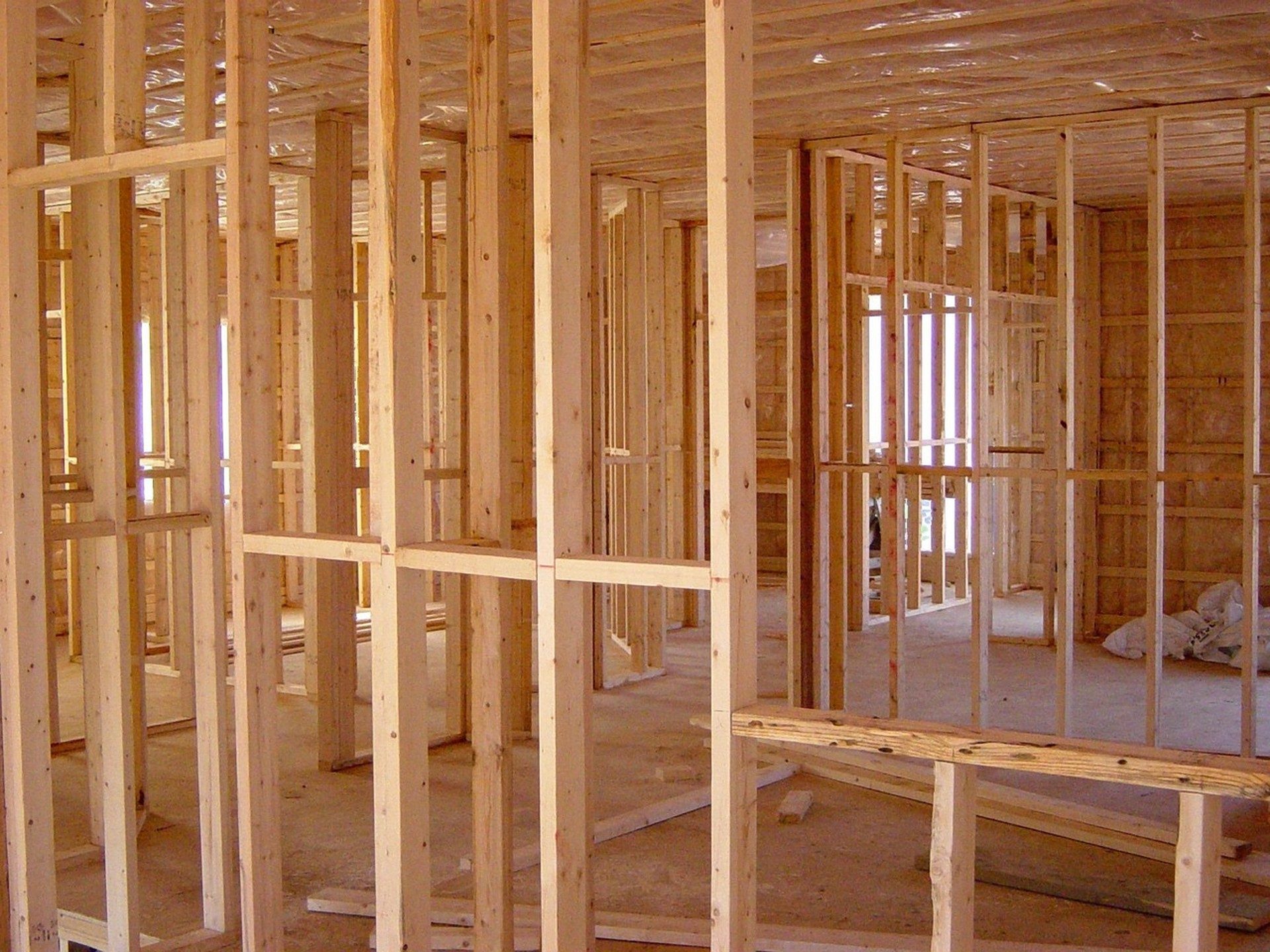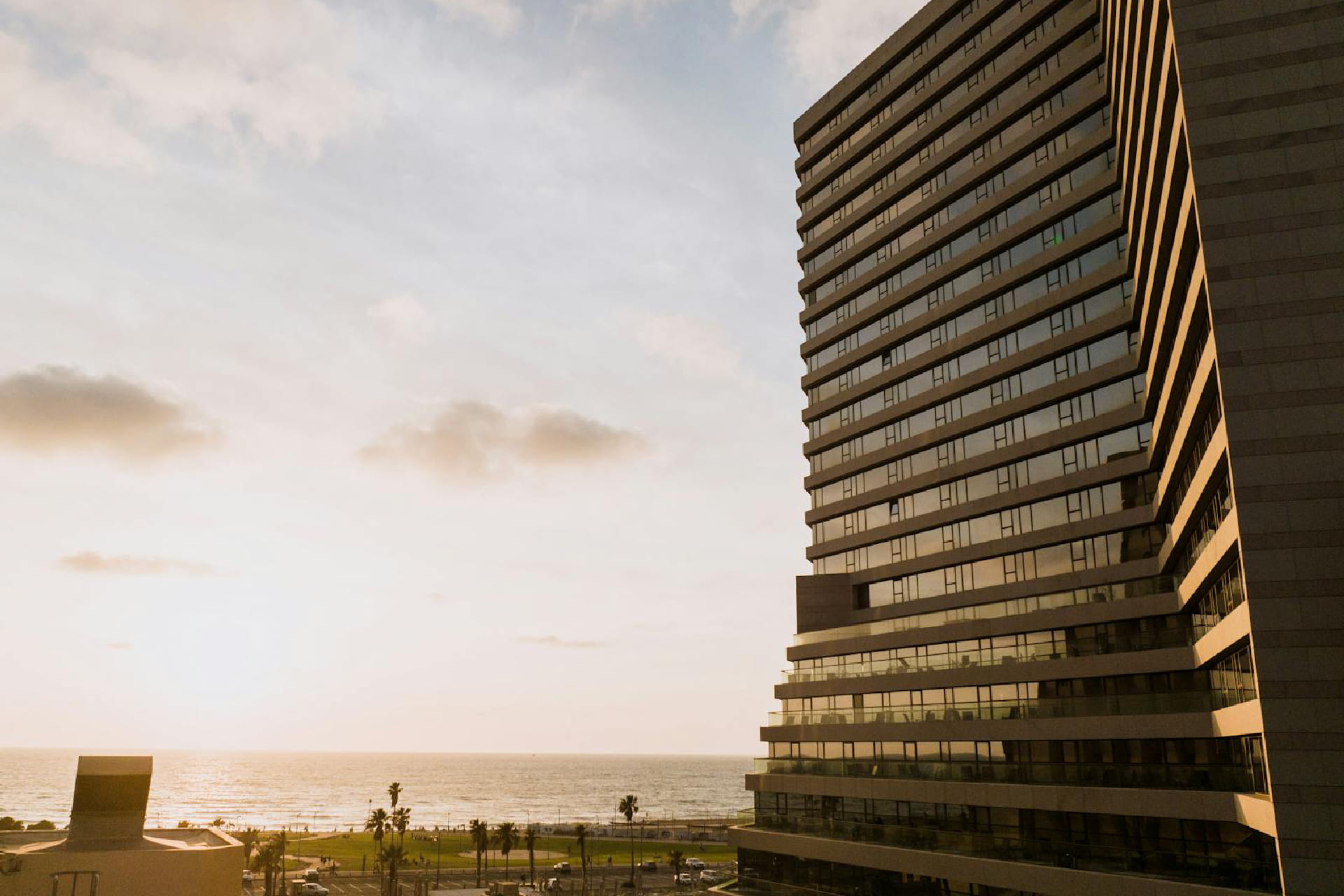
Artificial intelligence systems need vast amounts of computation, and that demand is now reshaping physical infrastructure across Israel at a pace few predicted five years ago. Graphics processing units, high-speed networking, and continuous power have turned quiet industrial corners into high-stakes real-estate plays. Ordinary readers can follow the chain without technical training: more model training equals more electricity, more cooling, more land under reinforced floors, and more pressure on every supporting network. Foundation tracks these shifts so citizens and decision-makers can see the concrete effects rather than the marketing slogans.
When training runs pull more megawatts than factories
Modern language models and image generators require clusters of specialized chips that stay busy for days or weeks. Each rack can draw as much power as a small apartment block, and operators often pack hundreds of racks into a single hall. In Israel that load arrives on top of an already dense urban grid. The Israel Central Bureau of Statistics publishes quarterly industrial electricity figures that now show a clear uptick in the technology category, confirming that AI compute demand infrastructure Israel is no longer a future scenario. Engineers must size transformers and switchgear for peak simultaneous use rather than average load, which forces earlier and larger capital outlays than traditional manufacturing ever required.
Operators also face the simple arithmetic of redundancy. A single power feed is never enough; dual independent lines plus on-site generation or battery backup are standard. Those extras multiply both cost and physical footprint. Communities near planned sites notice the difference when transmission corridors widen or new substations appear on formerly vacant parcels.
Desert heat meets dense racks of processors
Israel’s climate makes heat rejection the second major constraint after electricity. Processors convert nearly all consumed power into waste heat that must leave the building continuously. Air-side economizers work only part of the year; the rest of the time water-cooled chillers or hybrid systems dominate. That water demand competes with households and agriculture in an already stressed hydrological system. Facilities therefore look first for sites with reliable municipal supply or permissions to use treated effluent, both of which add permitting time and cost.
Cooling infrastructure also occupies valuable floor space and rooftop area that could otherwise hold more servers. Designers therefore push density higher, which in turn raises the power density per square meter and circles back to the grid-capacity problem. The cycle explains why many recent projects include adjacent energy plants rather than relying solely on the national network.
Substations and transformers lagging the buildout schedule
Even when capital is available, physical equipment lead times stretch into years. Large transformers and medium-voltage switchgear are ordered from a limited global supplier base, and shipping slots fill quickly. Israeli utilities must therefore plan upgrades well before any data-center developer pours concrete. Coordination failures leave finished buildings waiting for grid connections, an expensive form of stranded capital that investors now price into every deal.
Private generation options, including natural-gas peakers and battery arrays, can bridge temporary gaps, yet they still require gas pipelines or high-voltage interconnection studies. The result is a multi-year critical path that begins long before the first server arrives. Readers who want deeper background can explore the Infrastructure Technology archive for earlier coverage of these bottlenecks.
Rezoning battles around former warehouses in central districts
Compute facilities prefer locations with fiber density, skilled labor, and proximity to international cable landings. Those criteria point toward the central coastal plain, where industrial zoning is already contested. Converting a light-assembly shed into a high-power data hall often triggers new traffic, noise, and visual-impact reviews. Local authorities weigh tax revenue against neighborhood concerns, and outcomes vary by municipality.
Successful projects therefore invest early in community engagement and transparent power-usage forecasts. The Zoning Challenges Facing Israel's Industrial Tech Real Estate page outlines recurring friction points that developers now treat as standard due diligence. When approvals stall, secondary markets in the north and south gain unexpected attention, redistributing both jobs and infrastructure investment.
Foreign capital and local pension funds chase the same floors
Global cloud providers and specialized AI companies view Israel as a strategic node linking Europe, Asia, and Africa. Their capital arrives as long-term leases or joint-venture equity, often matched by Israeli institutional money seeking inflation-protected yields. The combined flow accelerates construction but also inflates land prices in preferred corridors. Residential and traditional industrial users feel the squeeze as competing bids climb.
International organizations monitor the macroeconomic effects. The IMF Israel country analysis notes technology-sector investment as a growth driver while flagging infrastructure bottlenecks that could constrain it. Likewise, the OECD tracks how digital infrastructure contributes to productivity statistics across member states. These external benchmarks help local planners set realistic timelines rather than optimistic press-release dates.
Cyber defenses baked into every new power feed
High-value compute clusters attract sophisticated intrusion attempts, so physical and digital security now shape building design from day one. Biometric access, mantraps, and segregated network zones occupy floor area and add cost. Power and cooling systems themselves become attack surfaces; a compromised chiller can force an emergency shutdown as effectively as a direct server breach. Operators therefore treat cybersecurity as core infrastructure rather than an add-on service.
Specialized real-estate products have emerged to meet this need. The niche is explored in Cybersecurity Infrastructure Real Estate: A Growing Israeli Niche, which shows how secure perimeters and hardened utilities now command premium rents. Tenants pay for the assurance that training data and model weights remain protected even during grid disturbances.
From central clusters to smaller nodes near users
Not every workload needs a hyperscale hall. Latency-sensitive applications such as autonomous-vehicle inference or real-time medical imaging push compute closer to the end user. These edge sites are smaller yet more numerous, requiring fiber laterals and modest power upgrades in many more municipalities. The pattern spreads infrastructure investment beyond the classic central districts and creates new opportunities for secondary cities.
Detailed mapping of that shift appears in Edge Computing Demand and Its Real Estate Footprint in Israel. Together with the larger facilities, the edge layer forms a national fabric that must be planned as a single system rather than isolated projects. Renewable sources are increasingly paired with both scales of deployment; see Renewable Energy Integration in Israel's Data Center Sector for how solar and storage contracts now appear in standard facility term sheets.
What public data reveal about the scale of the shift
Official construction permits and industrial-production indices offer the clearest non-proprietary view of the boom. The Israel Ministry of Construction and Housing releases monthly starts data that now include a growing technology-related category. Cross-referencing those figures with electricity-consumption reports produces a rough but serviceable picture of AI-driven demand. Independent analysts then layer private leasing data on top to estimate total megawatts under construction.
Citizens can track unfolding developments through the Foundation Blog and find concise answers to common questions in the FAQ (frequently asked questions). Broader geographic consequences of the same capital flows are examined in AI Infrastructure Demand Is Reshaping Israel's Real Estate Map. The combined evidence shows that AI compute demand infrastructure Israel has already moved from speculative headline to measurable change in land use, power planning, and municipal budgets.
Understanding the mechanics helps residents anticipate traffic, noise, and fiscal impacts long before the first crane appears. It also equips voters and business owners to ask precise questions about grid reliability and water allocation rather than accepting vague assurances. The infrastructure boom is real; its benefits and costs will be distributed according to how carefully the next round of permits and utility investments is managed.
Related Foundation reading: Foundation World Israel hub, Foundation New York, and Greece and Israel Tourism Asset Rotation: Risk Controls Worth Document.
Timeless Value. Perpetual Legacy.