Building a data center in Israel starts with securing the right parcel of ground. Operators must match floor area needs against power lines, fiber routes, municipal zoning, and national infrastructure plans. The search has grown urgent as cloud and artificial intelligence workloads multiply, turning land into a scarce strategic resource rather than a simple real estate purchase.
Investors and site selectors often underestimate how compact yet constrained Israeli geography really is. Available industrial tracts near major cities shrink every year while demand climbs. Understanding the physical, regulatory, and utility dimensions of land requirements data centers Israel projects face helps teams avoid costly relocation later.
Plot Dimensions Needed for Modern Computing Halls
A modest enterprise facility may operate on two to four hectares, enough for the equipment hall, generators, and a security buffer. Hyperscale campuses typically seek ten hectares or more so that future halls can expand without relocating. Clearances for transformers, fuel tanks, and vehicle turnaround add further area that drawings sometimes omit.
Floor plate efficiency matters as much as total size. Israeli planning authorities favor rectangular footprints that leave room for landscaping and fire-access roads. Narrow or irregular lots force multi-story designs that raise construction cost and complicate cooling. Operators therefore filter candidate sites by usable building envelope rather than raw cadastral area alone.
Land requirements data centers Israel must satisfy also include space for on-site renewable arrays when grid capacity is tight. Even a modest solar canopy can demand an extra hectare, altering the economic case for a given plot.
Grid Connection Distances That Determine Viability
Electric power arrives through high-voltage corridors managed by the national utility. Sites farther than a few kilometers from existing substations face multi-year wait times and multimillion-shekel extension fees. Proximity therefore ranks higher than raw land price for most developers.
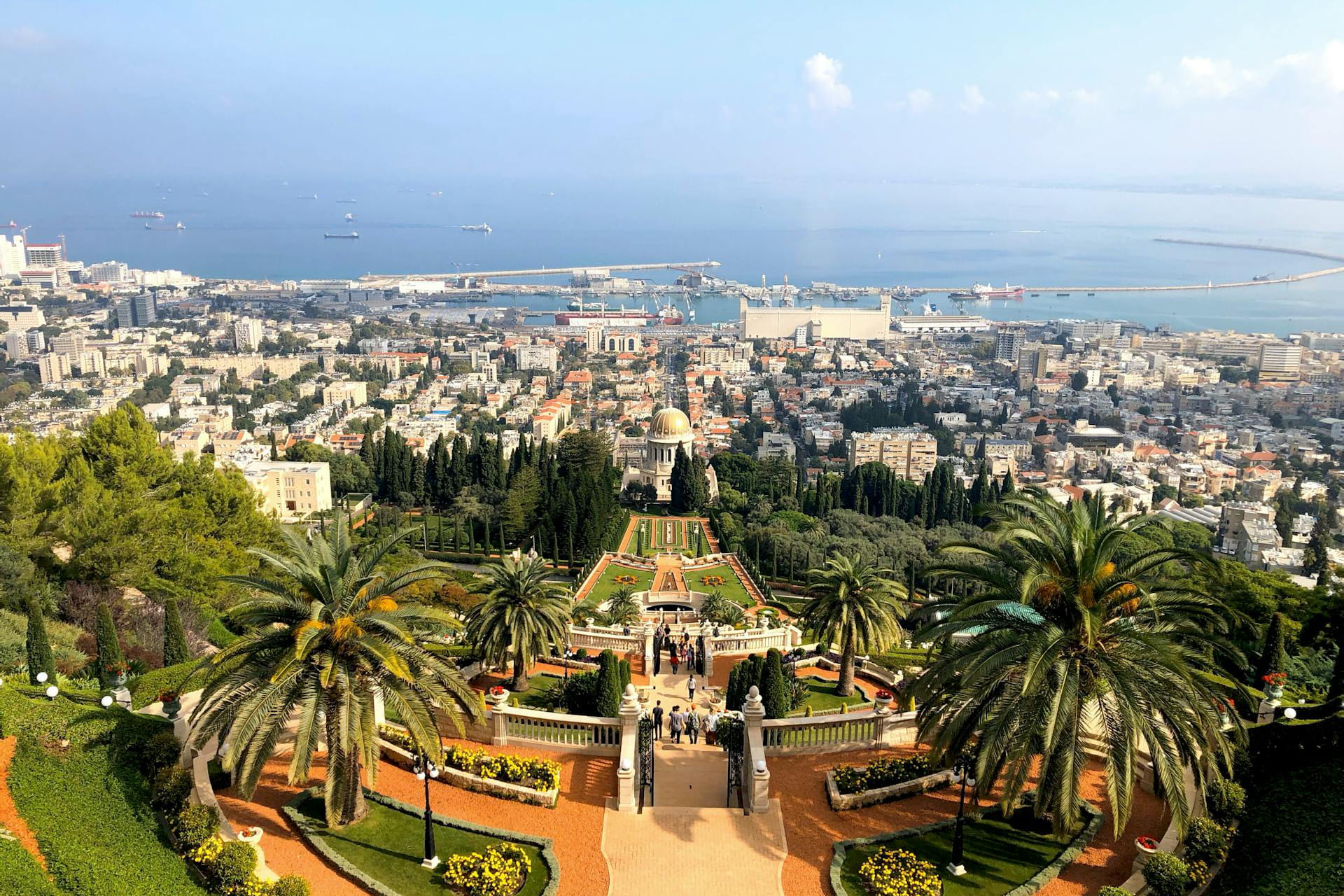
Fiber density follows a similar logic. International cable landing stations cluster along the Mediterranean coast, so parcels near Herzliya, Haifa, or Ashkelon enjoy shorter latency routes. Inland locations require additional dark-fiber construction that can erase any savings on cheaper desert ground.
Data published by the Israel Central Bureau of Statistics show rising industrial electricity demand, underscoring why grid adjacency has become a decisive filter. Teams that ignore this metric often discover too late that their chosen acreage is stranded from both electrons and photons.
Restrictions from Protected Landscapes and Agriculture
National master plans reserve large tracts for farming, nature reserves, and military use. Converting agricultural land to industrial use requires successive approvals that can stretch beyond three years. Coastal zones carry additional setback rules designed to protect dunes and public beaches.
Seismic zoning adds another layer. Much of the country sits near active fault lines, so foundation studies must demonstrate soil liquefaction resistance. Sites that fail geotechnical thresholds cannot host heavy raised-floor halls no matter how attractive their purchase price.
Operators who consult early with the Israel Ministry of Construction and Housing gain clearer maps of which parcels face conversion barriers. This step reduces the risk of acquiring ground that later proves unbuildable.
Industrial Park Preferences Among Municipal Authorities
Many local councils steer data-center proposals toward designated industrial parks rather than standalone greenfield sites. Parks already possess pre-approved zoning, shared substations, and security fencing, shortening the path to a building permit. In return, tenants accept park rules on noise, traffic, and appearance.
Not every park welcomes continuous high-load users. Some prioritize light manufacturing and refuse applications that would monopolize available megawatts. Understanding each park’s load-allocation policy before signing a letter of intent saves months of fruitless negotiation.
The broader pattern of Zoning Challenges Facing Israel's Industrial Tech Real Estate illustrates why park selection has become a specialized skill. Successful operators maintain relationships with multiple park managers so that capacity constraints in one location do not halt an entire program.
Seismic and Climate Factors Influencing Ground Choice
Israel’s climate ranges from humid coastal plain to arid Negev. Coastal humidity raises corrosion risk for outdoor equipment, while desert heat demands larger free-cooling windows and dust filtration. Each environment therefore imposes different land-use choices for mechanical yards and water storage.
Flood mapping has gained importance after recent extreme rainfall events. Low-lying coastal or wadi-adjacent parcels require elevated platforms or extensive drainage works that consume extra land. Elevation data and historical flood records now form part of every serious due-diligence package.
Macroeconomic context also shapes risk appetite. Analysis from the IMF Israel country analysis highlights infrastructure investment as a growth pillar, yet also flags the need for climate-resilient siting. Developers who ignore this guidance may face higher insurance premiums or delayed financing.
Scaling Requirements as AI Loads Expand Nationwide
Artificial intelligence training clusters consume far more power density than traditional cloud halls. A single AI pod can require double the land for the same compute capacity once backup generators and liquid-cooling plants are included. Forward-looking operators therefore acquire contiguous parcels that allow phased densification rather than scattered smaller lots.
Market observers note that AI Infrastructure Demand Is Reshaping Israel's Real Estate Map by pushing search radii farther from dense urban cores. Yet the same operators still need fiber backhaul and reliable power, creating a delicate balance between availability and connectivity.
Monetary policy and capital costs influence how aggressively firms pre-purchase land. Reports issued by the Bank of Israel track credit conditions that affect long-term infrastructure financing, giving developers a signal of when to lock in parcels versus wait for rate shifts.
Documentation Demanded by Planning Committees for Approval
Israeli planning committees require detailed environmental impact assessments, traffic studies, and utility commitment letters before granting final permits. Incomplete submissions trigger repeated revision cycles. Teams that assemble a complete package early gain months of schedule advantage.
Water-use projections receive special scrutiny in a water-stressed country. Facilities that demonstrate closed-loop cooling or recycled water sources clear this hurdle more readily. Readers seeking deeper guidance can consult Foundation’s overview of Sustainability and Water Use in Israeli Data Center Design.
Renewable procurement commitments further strengthen applications. Projects that pair land acquisition with solar or storage plans align with national goals and often secure smoother political support. Detailed pathways appear in the companion article on Renewable Energy Integration in Israel's Data Center Sector.
Financial incentives can offset higher land costs in preferred zones. Mapping these programs is essential, and Foundation has catalogued current schemes under Government Incentives Fueling Israel's Technology Infrastructure Sector. Cross-checking eligibility before purchase prevents later disappointment.
International benchmarks help calibrate expectations. The OECD regularly compares infrastructure permitting timelines across member states, providing a useful external reference for Israeli projects that feel unusually protracted.
Additional technical primers and case studies reside in the Infrastructure Technology archive. Visitors who still have unresolved questions after reading can browse the FAQ (frequently asked questions) or explore recent commentary on the Foundation Blog for practical illustrations from recent Israeli deployments.
Selecting ground for a data center is never merely a real-estate transaction. It is an exercise in matching physical acreage to power, fiber, geology, climate, and policy. Teams that treat land requirements data centers Israel as a multi-dimensional puzzle rather than a simple acreage hunt consistently deliver projects that stand the test of time and technology cycles.
Related Foundation reading: Foundation Ukraine.
Timeless Value. Perpetual Legacy.