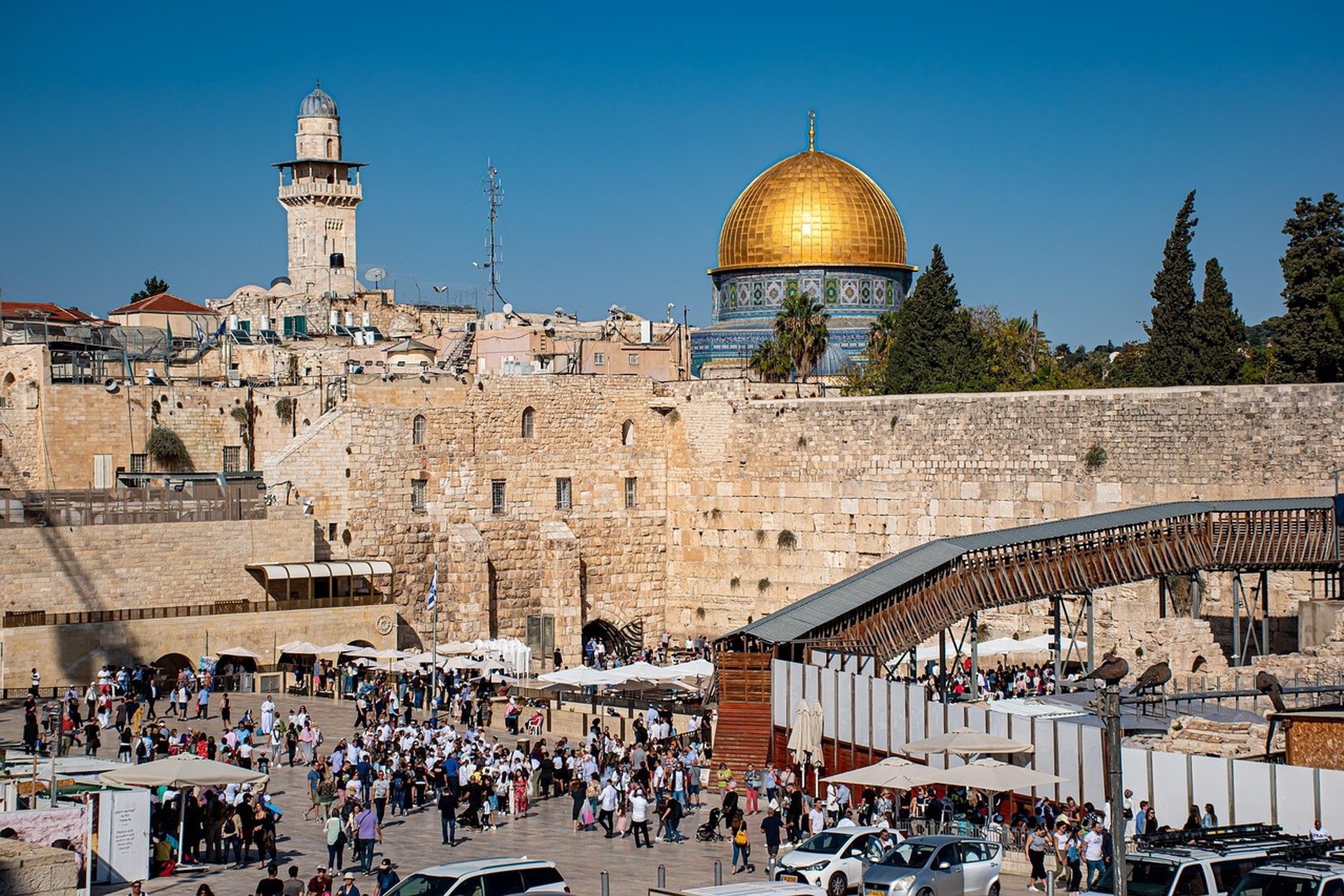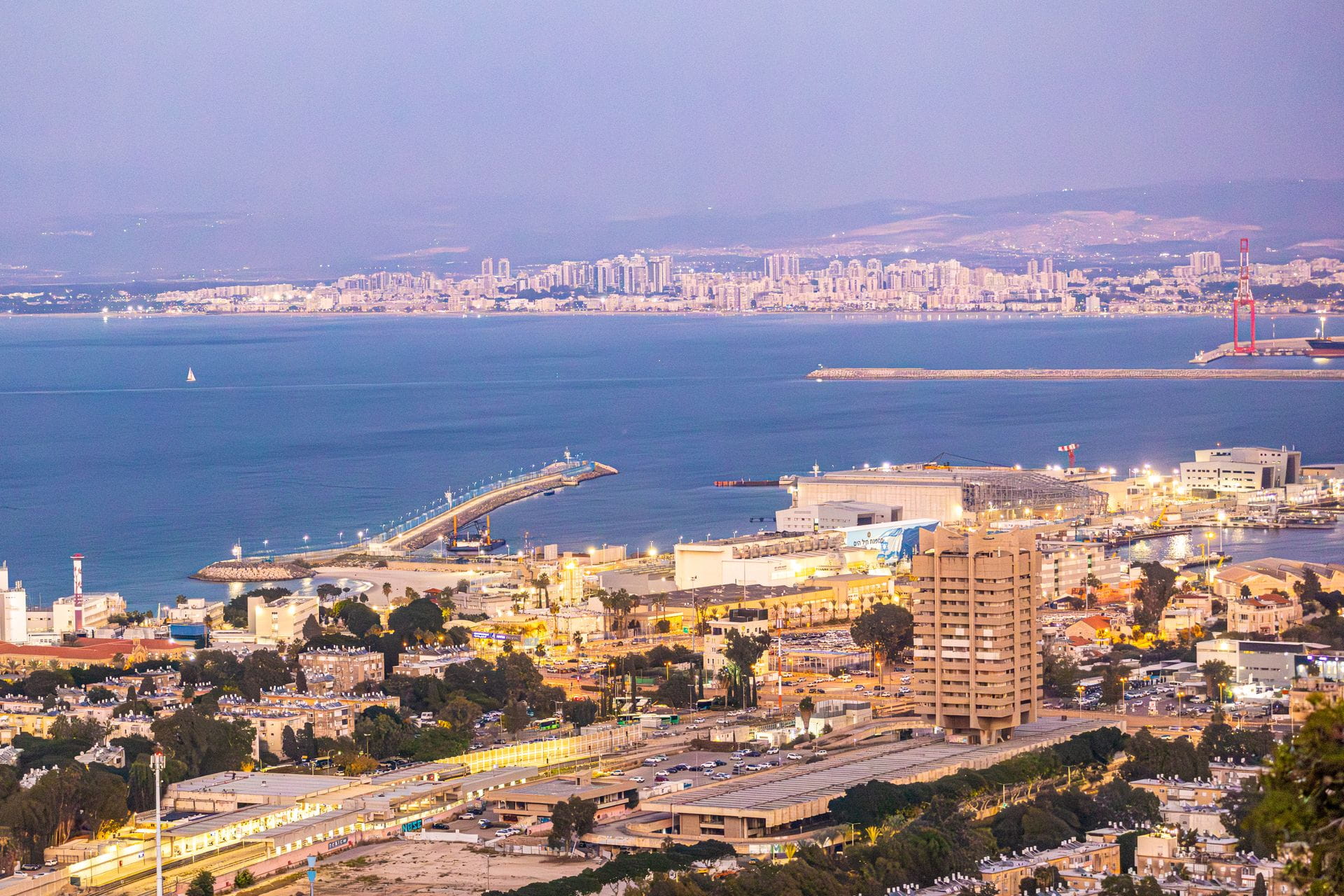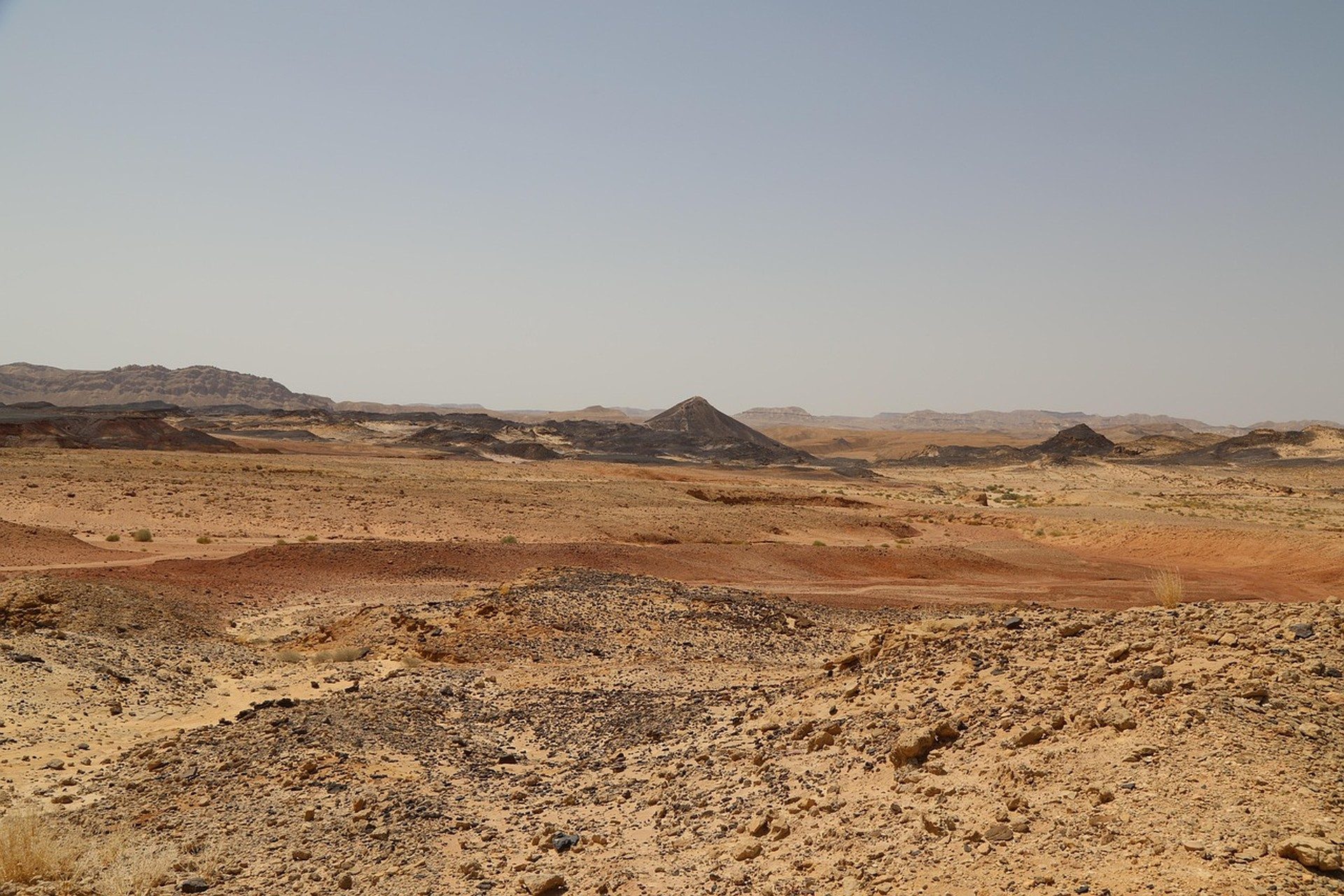
Hospitality operators watching Cyprus and Israel often notice similar sun, sand, and diaspora traffic yet radically different cost bases, permitting paths, and labor markets. Scenario planning through 2030 is not a spreadsheet exercise for its own sake; it is a disciplined way to decide when arbitrage still exists, when it compresses, and when rotating exposure makes more sense than doubling down. Foundation frames this as a practical comparison of room nights, labor, airlift, and regulation rather than abstract theory.
Twin-Coast Demand Swings Across the Eastern Mediterranean
Guest flows along the Eastern Mediterranean rarely move in perfect parallel. When one coastline feels geopolitical pressure, the other can absorb leisure and conference traffic within a single season. Israeli city-break demand often spikes around Jewish holidays and corporate calendar moments, while Cypriot resorts lean harder on European summer packages and dual-citizenship investors who keep second homes idle for much of the year. Scenario work must treat these pulses as correlated but not identical. Operators who track monthly arrivals side by side can see early divergence: a soft winter in Limassol may coincide with strong Tel Aviv weekday occupancy driven by tech conferences. The reverse also appears after calm periods in the Levant when Cyprus hotels fill more slowly than expected. Building three demand paths, baseline, diversion-heavy, and simultaneous soft landings, keeps the discussion concrete for anyone financing or managing rooms.
Public data from the Israel Central Bureau of Statistics supplies visitor counts, nights stayed, and origin-country breakdowns that can be laid against Cyprus national tourism board releases. The comparison is imperfect because definitions differ, yet the direction of change is clear enough for rough scenario sketches. Teams that update these tables quarterly avoid discovering misalignment only after bank covenants are already tight.
Labor Cost Gaps That Shape Room Pricing Assumptions
Wages for housekeepers, front-desk staff, and chefs still differ materially between the two markets. Cyprus historically draws more seasonal workers under European Union mobility rules, while Israeli hospitality competes with high-tech, healthcare, and construction for the same talent pool. That gap widens or narrows with exchange-rate moves and migration policy. A 2030 plan that freezes current labor costs will understate risk in Israel and overstate stability in Cyprus. Scenario tables should flex average wage growth by three or four percentage points annually and test how average daily rate must respond to protect contribution margins. Operators who also own or manage student residences discover secondary effects: dual-use properties near campuses may lose cleaning teams to higher-paying hotel shifts during peak tourist months, forcing rate adjustments across both asset classes. Further reading on financing those assets appears in Debt Terms for Student Housing Portfolios: 2026 Data and Macro Context, which helps quantify leverage constraints when labor inflation erodes free cash flow.
Flight Schedules and Visa Rules as Scenario Drivers
Airlift is the hidden lever that decides whether Cyprus, Israel hotel pairs stay linked. Direct flights between Larnaca or Paphos and Tel Aviv or Haifa are frequent enough today that weekend leisure and family visits feel almost domestic. Any reduction in frequencies, or a change in short-stay visa practice for third-country nationals, can swing seven-day rolling occupancy by double digits within a fortnight. Scenario builders therefore attach discrete shocks: a 15 percent cut in weekly seats, a one-week booking freeze after a security event, or an expansion of low-cost carrier routes from Central Europe that favor Cyprus more than Israel. These are not forecasts; they are stress points that reveal which properties survive on pure local demand and which need continuous inbound jets. Currency overlays matter here as well. Guests booking in euros while operators report in shekels face translation noise that can either pad or erase revenue-per-available-room gains. Modeling both seating capacity and exchange volatility side by side prevents optimistic guest-mix assumptions from surviving unchallenged.
Boutique Hotels Versus Serviced Apartments to 2030
Product mix is the next fork in the road. Boutique hotels with 40 to 80 keys capture high rates but require constant staffing and F&B expertise. Serviced apartments, by contrast, lean on longer stays, self-service laundry, and lighter labor ratios. In Cyprus the apartment model thrives on digital nomads and dual residents; in Israel it intersects with corporate relocation and family visits timed to holidays. Scenario work should assign probability weights to three product preferences: classic resort rooms, hybrid lifestyle hotels, and full apartment conversion. Each weight produces different renovation budgets, different loan amortization curves, and different exit values if the asset is later sold or refinanced. Operators exploring capital recycling sometimes study The BRRRR Method Applied to Israeli Real Estate: A Framework for Capital Efficie for a structured way to free equity after repositioning a property from hotel to residential or back again. The same discipline applies when deciding whether a Cyprus building should stay pure hospitality or open to fractional residential ownership that competes with hotel room inventory during shoulder seasons.
Currency Mismatches Between the Euro and the Shekel
Most Cyprus cost and revenue lines settle in euros; Israeli operators live inside the shekel. A strong euro can make Cyprus look cheaper to Israeli leisure travelers while simultaneously inflating the euro-denominated construction bids of Israeli developers eyeing expansion. Conversely, shekel strength can encourage Israeli groups to acquire or lease Cyprus stock at advantageous translations. Scenario planning therefore requires at least two explicit FX paths through 2030 rather than a single mid-range assumption. Sensitivity tables should show earnings before interest, tax, depreciation, and amortization under base, euro-appreciation, and shekel-appreciation cases so boards can see when debt-service coverage ratios break. Macro context from the IMF Israel country analysis and broader OECD outlooks supplies useful baselines for growth and inflation differentials that feed those exchange-rate narratives. None of these official sources predicts exact daily rates, yet they keep private models from drifting into unsupported optimism.
Climate Stress and Water Scarcity on Occupancy Models
Both coastlines already manage water stress, heat spikes, and occasional extreme weather that cancel outdoor dining or empty pools. By 2030 the frequency of high-heat days is expected to rise, pushing cooling bills higher and lengthening shoulder-season shoulder days when guests seek indoor attractions. Scenario sets should lower outdoor occupancy contributions by graduated percentages under warmer and dryer assumptions. Properties with modern reverse-osmosis systems or existing grey-water recycling will show smaller margin damage than legacy assets reliant on municipal supply alone. Guests increasingly check sustainability notes before booking; a visible water plan can defend rate even when ambient temperatures climb. Parallel work by the Israel Ministry of Construction and Housing on building standards for water efficiency offers reference points that Cyprus municipalities may eventually echo under European adaptation pressure. Tracking those rule changes keeps renovation budgets realistic rather than forever deferred.
Cross-Border Operator Networks and Skill Transfer
Arbitrage is not only about price gaps; it is also about people who can move know-how. Israeli hotel groups that have opened or managed Cypriot properties already share yield-management systems, digital marketing teams, and training curricula. Those networks can compress the learning curve when a new asset is added or when an existing property needs repositioning after a demand shock. Scenario planning benefits from mapping which skills travel easily, revenue management, OTA channel strategy, and which stay local, such as municipal permitting culture or union negotiation style. Teams that ignore soft infrastructure often discover that equipment can be shipped faster than trust. For standards that translate strategy into checklists and operating manuals, see Cyprus to Israel Hospitality Arbitrage: Implementation Standards in Practice. Parallel tourism rotation thinking appears in Greece and Israel Tourism Asset Rotation: Supply and Demand Scorecard, which reminds readers that Mediterranean supply responses are rarely limited to a single island pair.
Housing demand connected to population inflows also intersects hospitality staffing. When large waves of new arrivals settle in Israel, pressure on rental stock can pull workers out of hotels or create temporary housing shortages near employment centers. Operators who monitor those dynamics early can adjust recruitment pipelines. Technical background lives inside Aliyah Linked Housing Demand Forecasts: Technical Deep Dive for Operators, a useful companion when labor and guest accommodation overlap.
Stress-Testing Three Hospitality Futures for 2025-2030
Three coherent stories keep the planning room honest. The first story is persistent soft arbitrage: wage gaps and airlift remain favorable, guest diversion continues, and disciplined operators capture premium spreads without overbuilding. The second story is gradual compression: Cyprus wages rise toward Israeli levels, low-cost carriers equalize seats, and excess apartment supply caps rates on both shores. The third story is abrupt reconfiguration after a multi-quarter demand shock that favors whichever coast keeps flights and security perceptions more stable. Each story produces different capital-allocation rules, hold, rotate, or redeploy equity into adjacent residential uses. Decision makers can then ask which early indicators would signal migration from one story to another: lagging air seats, accelerating unit completions, or widening booking-window lengths. Resources collected across the Smart Strategies archive give additional frameworks for updating those indicators without starting from a blank page every quarter. Readers who still need process clarity can browse the Foundation FAQ (frequently asked questions) and ongoing pieces on the Blog for shorter explainers that sit beside deeper technical notes.
Scenario planning is only as good as the refresh cadence. Annual full updates plus quarterly light reviews catch labor, FX, and airlift drifts before they invalidate prior conclusions. The goal is not prophecy; it is prepared choice under several plausible worlds so that Cyprus-to-Israel hospitality positions remain intentional rather than accidental through 2030.
Related Foundation reading: Foundation New York and Syndication Models for Mid Scale Hotels: Legislative Signals Reporters.
Timeless Value. Perpetual Legacy.