Capital recycling secondary cities Israel is less a slogan than a practical loop: extract equity from one asset, redeploy it into the next, and keep momentum without stretching leverage past comfort. Across the country, investors who once parked every shekel inside Tel Aviv or the core of Haifa are learning that secondary markets can return capital faster when prices are still climbing from a lower base and renovation cycles remain manageable.
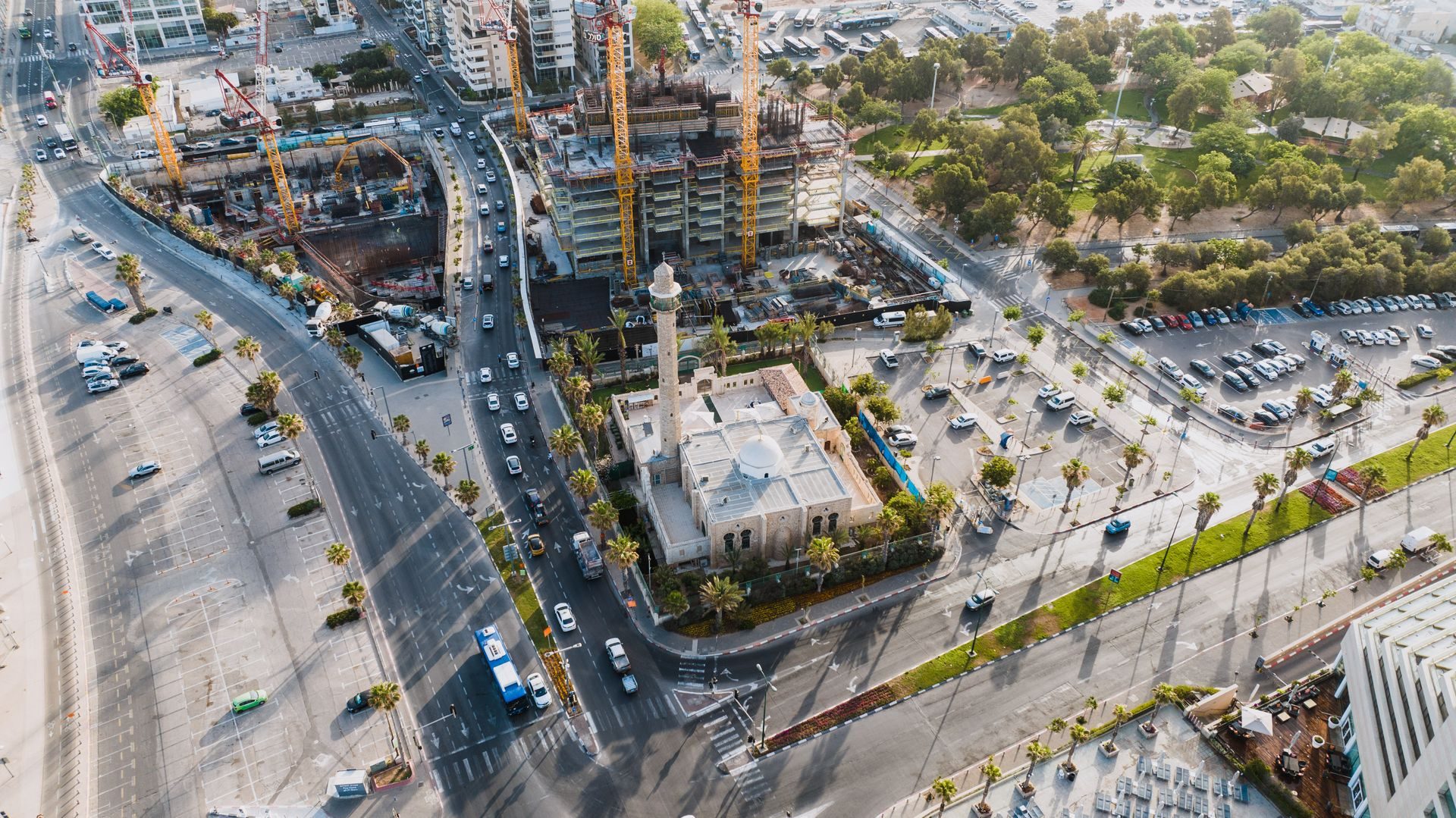
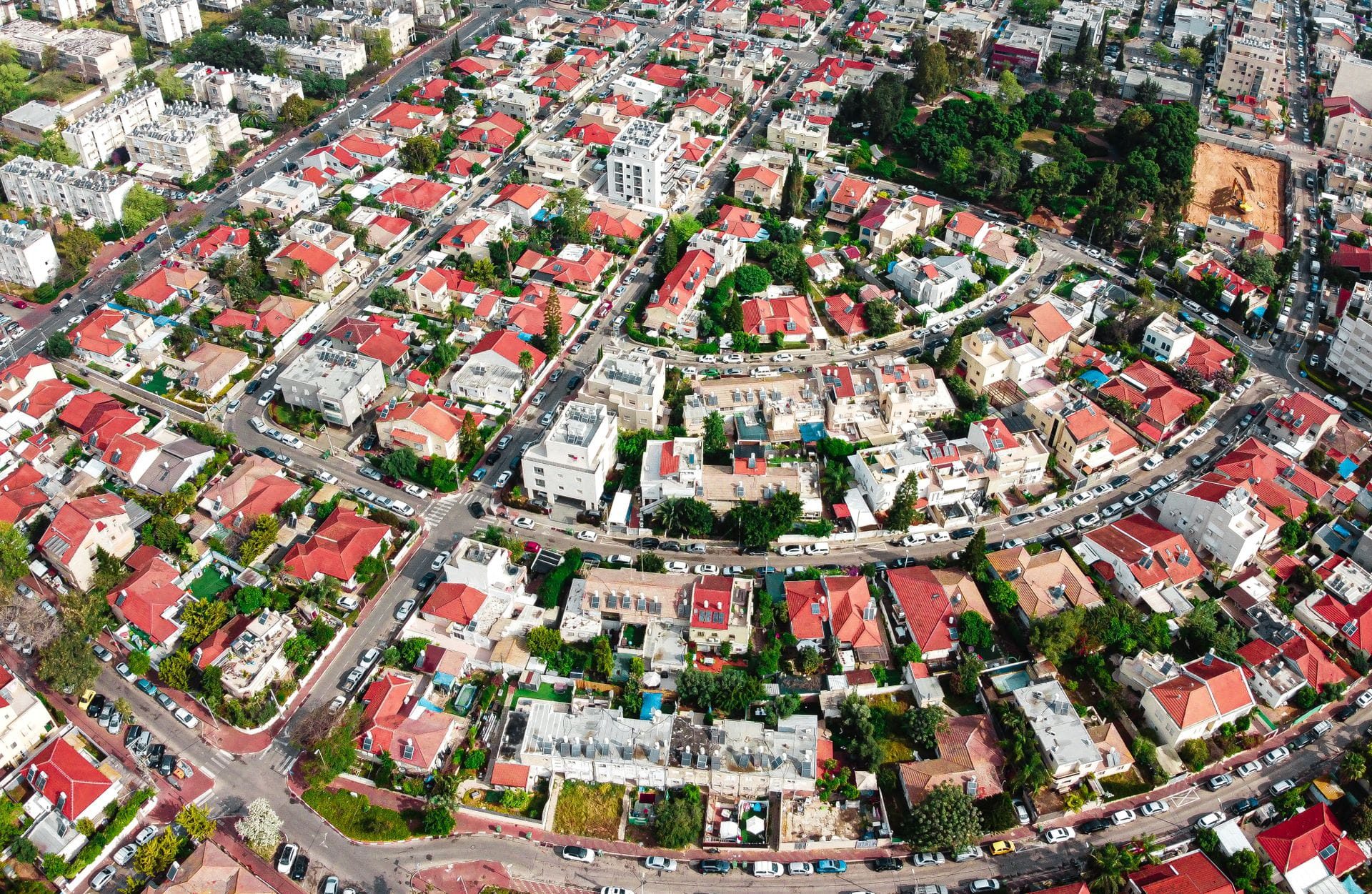
Secondary cities in this context include places such as Beersheba, Netanya, Ashdod, Ashkelon, Afula, and selected neighborhoods on the edge of Jerusalem. They share growing employment nodes, improved rail or highway links, and housing stock that still rewards light value-add work. The goal is not to abandon primary markets forever; it is to treat capital as a mobile resource that can cycle through several cities while the broader Israeli economy continues to expand.
Why Equity Migrates Out of Primary Hubs First
Primary hubs deliver liquidity and prestige, yet they also lock capital for long stretches. Purchase prices sit high, renovation premiums are steep, and exit windows can narrow when buyers hesitate. Many owners therefore look at secondary cities as release valves: sell or refinance a mature Tel Aviv unit, then place the freed equity into two or three assets farther out where the same cash buys more square meters and more upside.
Demographic data published by the Israel Central Bureau of Statistics repeatedly shows population growth outside the historic coastal core. That growth supports rental demand and eventual resale interest. When an investor recycles capital into these corridors, the math often improves because entry yields start higher and the path to a refinancing event can be shorter.
Readers who want a broader map of how several markets can sit inside one strategy often study Building a Multi-City Portfolio Across Israel's Growth Corridors for complementary framing. The same principle applies here: capital is not loyal to a single skyline; it follows relative value and time-to-cash.
What Recycling Capital Means in Everyday Deals
Recycling is simply the disciplined sequence of buy, improve, stabilize, extract, and reinvest. In Israeli residential stock this often means purchasing an older apartment, completing modest upgrades that local tenants actually want, securing a solid lease, then refinancing or selling once the new value is recognized by lenders or buyers. The extracted equity becomes the down payment or full purchase price for the next secondary-city asset.
A framework many practitioners adapt is described in The BRRRR Method Applied to Israeli Real Estate: A Framework for Capital Efficie. Although the acronym travels from overseas markets, the local version must respect Israeli bank appraisal rules, municipal permit timelines, and the preference of many buyers for turnkey condition. The point remains capital efficiency: every completed cycle should leave more investable cash than the last one consumed.
Off-market opportunities can accelerate the recycle because they sometimes arrive with less bidding friction. Understanding how those deals surface is covered in What Does Off-Market Really Mean in Israeli Real Estate?, which helps investors avoid romanticizing private listings while still spotting genuine efficiency.
Secondary Cities Now Drawing Repeated Attention
Beersheba continues to benefit from university expansion, defense-related employment, and southern infrastructure programs. Netanya offers coastal lifestyle appeal at prices still below central Tel Aviv. Ashdod and Ashkelon combine port and industrial activity with residential stock that renovates well. Inland towns along rail lines see new stations that shorten commute times and therefore widen the tenant pool.
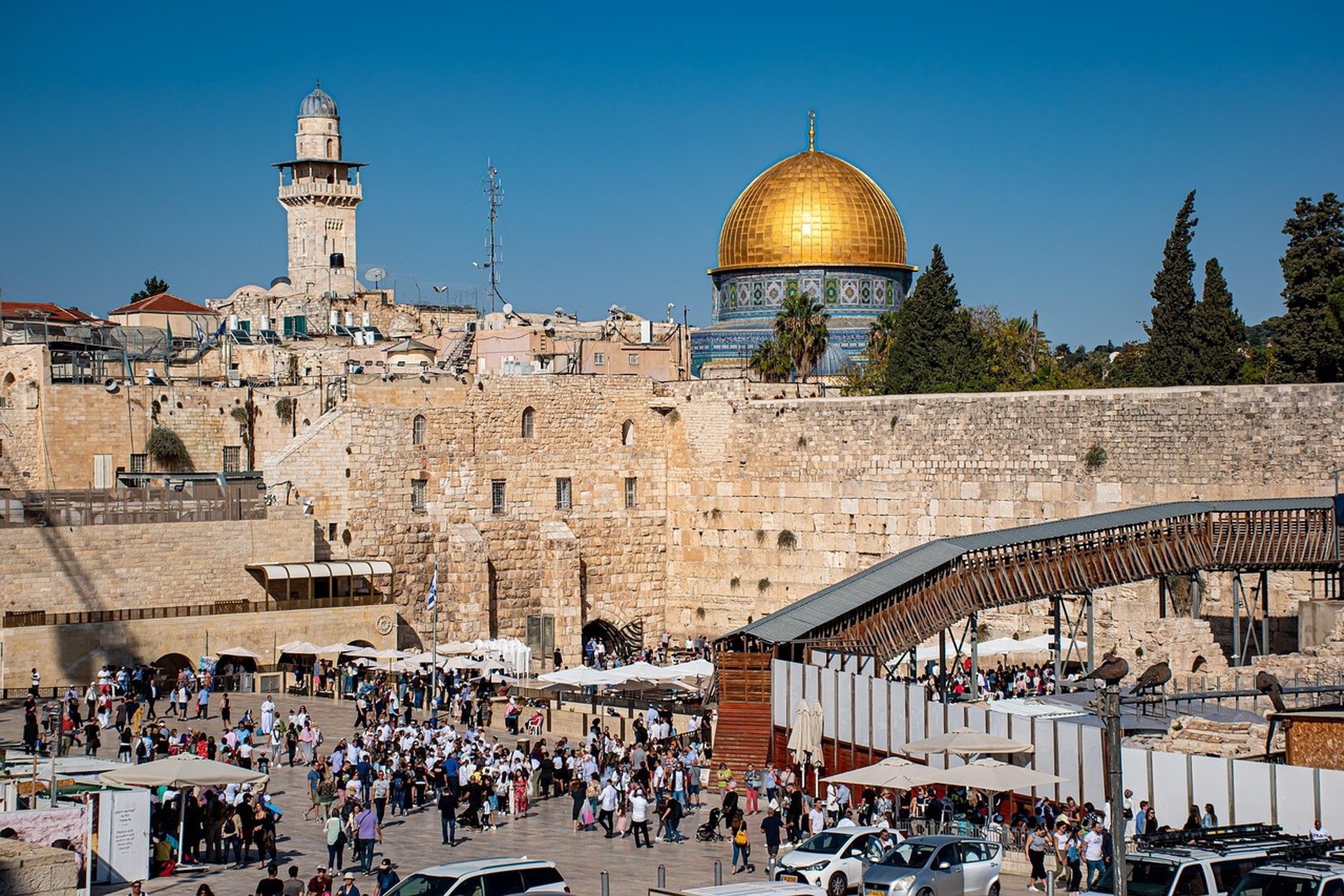
Jerusalem itself is not secondary, yet certain of its outer submarkets behave like secondary cities for capital purposes: lower entry prices, longer hold periods, and renovation-driven gains. Investors comparing those pockets often begin with the Investor's Guide to Jerusalem's Real Estate Submarkets before deciding whether equity freed elsewhere should land there or farther south.
Policy support for housing supply and urban renewal is tracked by the Israel Ministry of Construction and Housing. When that ministry advances plans for additional units or transit-oriented projects, secondary cities frequently receive a disproportionate share of the new activity, creating both competition and opportunity for recycled capital.
Reading Macro Signals Before the Next Cycle
Interest rates, credit conditions, and growth forecasts shape how freely capital can move. The Bank of Israel sets the tone for mortgage pricing and bank appetite. When policy rates ease or banks reopen competitive refinancing windows, recycling becomes cheaper and faster. When rates climb, the same cycle lengthens and investors must underwrite more patiently.
External views help keep local optimism in check. The IMF Israel country analysis and comparative work from the OECD place Israeli housing and fiscal trends inside a global frame. Those sources do not pick individual buildings, yet they remind investors that capital recycling thrives when the national economy remains resilient and when household formation continues.
Land Positions That Feed Future Recycles
Sometimes the smartest recycle is not into an existing apartment but into a land position that will later host one. In the south especially, patient land banking can sit alongside active rental assets. Guidance on that longer horizon appears in Land Banking Strategy in Israel's Southern Development Corridor. Equity extracted from a finished Beersheba renovation might, for example, secure a small parcel whose future zoning or infrastructure upgrade unlocks the next decade of gains.
Mixing liquid renovations with illiquid land requires clear cash reserves. Recycling works only when each step leaves enough dry powder for taxes, transfer costs, and temporary vacancy. Secondary cities reward this discipline because absolute price levels remain lower, so the same reserve covers more contingencies.
Common Friction Points When Moving Money Between Cities
Appraisal gaps appear when a secondary-city property has few recent comps. Banks may lag behind actual transaction prices, slowing the refinance that was meant to free capital. Local contractors can be excellent yet booked months ahead, stretching the improvement phase. Tenant demand may be strong for three-bedroom family units and weak for tiny studios, so product selection matters more than in denser primary markets.
Another friction is emotional attachment. Investors who recycled successfully once sometimes chase the identical product type in every city, ignoring micro differences in employment and transport. A better habit is to treat each secondary city as its own small market study, even when the capital source is the same prior sale.
Questions about paperwork, tax timing, or bank documentation surface often. The Foundation FAQ (frequently asked questions) gathers concise answers that many first-time recyclers find useful before they commit equity to an unfamiliar municipality.
Keeping the Loop Alive Across Multiple Years
A single recycle is a transaction; a series of recycles is a strategy. Portfolio builders therefore schedule reviews after each exit: Did the improvement budget hold? Did the new city deliver the expected rent growth? Was the next acquisition ready before the cash sat idle? Idle capital is the silent tax on recycling; the antidote is a shortlist of pre-vetted secondary-city targets waiting for the next equity release.
Foundation publishes ongoing notes inside the Smart Strategies archive and the wider Blog so readers can track how market conditions shift without reinventing their framework every quarter. The emphasis stays practical: preserve capital, move it where relative value is clearer, and let secondary cities compound the gains that primary hubs alone cannot deliver at the same pace.
Capital recycling secondary cities Israel succeeds when investors treat distance as an advantage rather than a risk. Lower entry points, growing local employment, and improving infrastructure create repeated opportunities to extract equity and place it again. Done with clear underwriting and respect for local rules, the cycle builds both cash flow and long-term net worth across the map rather than inside a single postcode.
Timeless Value. Perpetual Legacy.