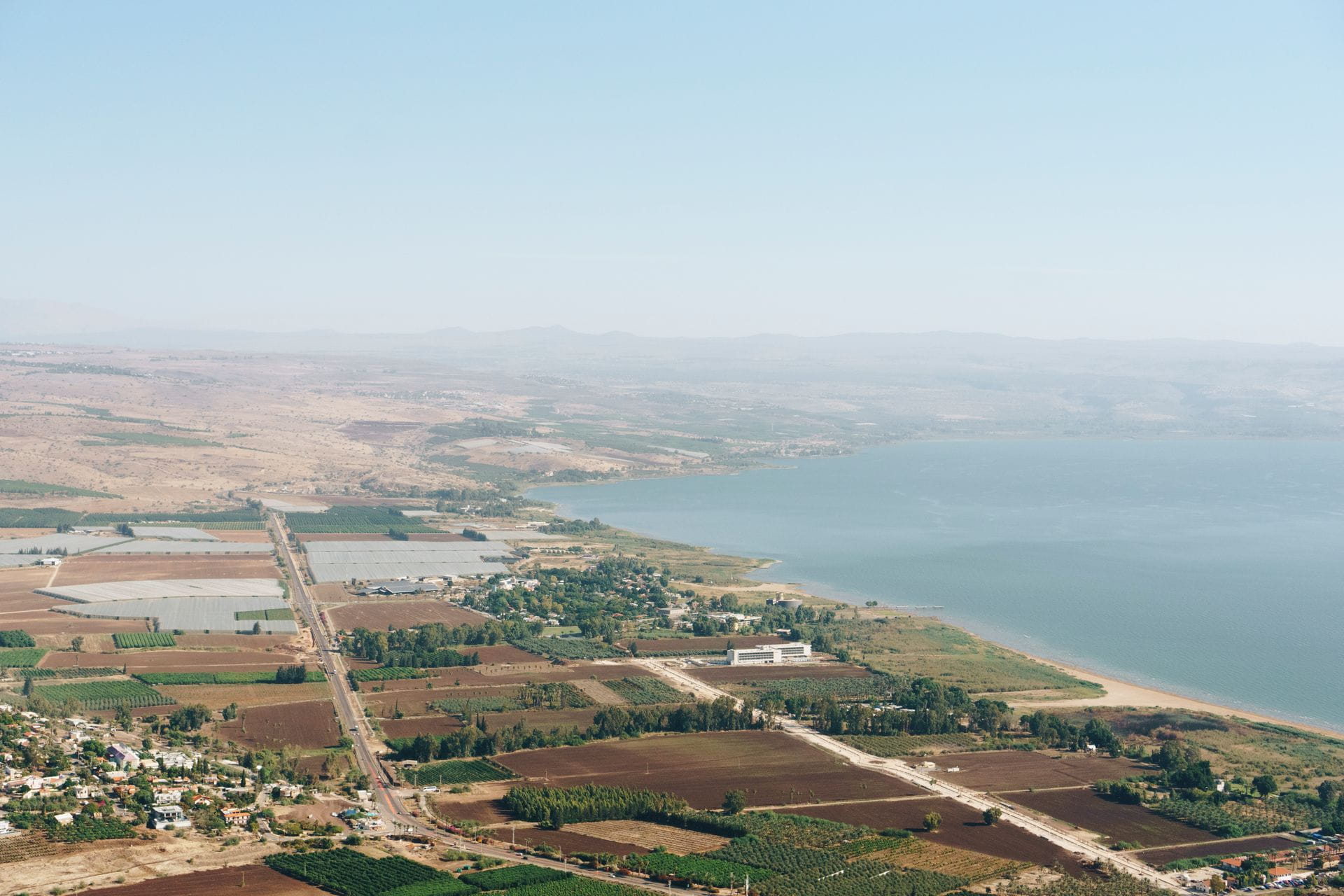
Israel’s northern growth corridor stretches from Haifa Bay through the Lower Galilee and into the valleys feeding inland toward the Kinneret. Investors who treat it as a single value-add strategy northern growth corridor opportunity can convert underused buildings, aging logistics sheds, and fragmented residential blocks into higher-performing assets. Foundation presents this playbook so any adult reader can follow the logic without prior real-estate jargon.
Reading the Land Between Haifa Port and the Jezreel Valley
Physical distance still shapes returns here. Trucks leaving Haifa Port can reach inland industrial sites within forty minutes when the new rail spurs open. Land parcels that once sat idle because of poor access now sit beside planned light-rail stops. Official population and employment figures published by the Israel Central Bureau of Statistics show steady migration into the northern districts, especially among younger households seeking space that Tel Aviv prices no longer allow. Walking the sites in person remains essential: soil tests, drainage patterns, and existing power capacity vary block by block. A careful walk often reveals hidden upside that satellite images miss.
Spotting Underutilized Buildings Worth a Lift
Value-add begins with assets that already generate some cash yet fall short of their potential. An empty upper floor above a busy supermarket in Kiryat Ata, a warehouse whose roof cannot support solar panels, or a 1970s apartment block with outdated plumbing all qualify. The goal is not demolition; it is targeted improvement. New elevators, energy-efficient windows, or a modest rezoning request can raise rents enough to cover the work and leave a margin. Many northern owners inherited properties and lack the time or capital to modernize them, creating a ready pipeline for patient buyers.
Regulatory Windows That Open Higher Density
Local planning committees in the north have accelerated approvals for mixed-use projects near transit. A two-story office building beside a future station may receive permission for two additional floors if the design includes public shade and bike parking. Tracking these windows early prevents wasted design fees. The Bank of Israel regularly comments on construction credit conditions, and those comments influence how quickly banks will fund the extra floors. Combining municipal goodwill with stable lending terms is the practical sweet spot.
Lease Clauses That Protect the Upside
Once density rises, existing tenants must be managed carefully. Short-term leases with clear relocation options let an owner reconfigure space without litigation. Long-term industrial tenants sometimes accept temporary space in exchange for rent-free months later. Clear documentation of these swaps keeps cash flow intact while construction proceeds.
Financing Layers Suited to Northern Projects
Traditional bank mortgages cover only part of a value-add plan. Mezzanine loans, seller notes, and government-backed renovation grants often fill the gap. Cross-border investors who already hold New York assets can apply lessons from Cross-Border Strategy: Structuring Deals Between New York and Tel Aviv when they bring equity into Haifa-area deals. Local Israeli partners frequently prefer joint-venture structures that keep day-to-day management in northern hands while foreign capital underwrites the heavier improvements. Always verify that the chosen structure complies with currency and tax rules before funds move.
Operational Upgrades That Raise Net Operating Income
After acquisition, the first ninety days decide whether the thesis holds. Replacing single-pane glass, installing smart meters, and introducing professional property management usually lift collections within one quarter. Energy audits supported by OECD best-practice guides help prioritize measures that cut utility bills fastest. In multi-family blocks, adding laundry rooms and secure bicycle storage attracts younger tenants who pay premiums for convenience. These steps cost far less than structural work yet compound quickly.
Tenant Selection Criteria for Mixed Assets
Northern corridors attract both logistics firms and knowledge workers. Choosing tenants whose business hours and traffic patterns complement each other reduces wear on shared infrastructure. A cold-storage operator on the ground floor and software offices above can share parking if shift times differ. Written house rules and clear operating-hour clauses prevent conflict later.
Recycling Capital After Stabilization
Once rents stabilize and occupancy exceeds ninety percent, the improved asset can support a higher loan balance. Refinancing free capital that can then seed the next northern project. The technique known as The BRRRR Method Applied to Israeli Real Estate: A Framework for Capital Efficie works cleanly here because purchase prices remain lower than in the center of the country. Investors who master the sequence can repeat it across several towns without exhausting equity. Guidance on moving proceeds between markets appears in Capital Recycling Across Israel's Emerging Secondary Cities, which shows how to keep momentum while still respecting local lending norms.
Due Diligence That Fits Northern Realities
Every purchase still requires rigorous checks. Title searches, environmental reports, and municipal debt confirmations remain non-negotiable. Foundation readers can deepen their process through Due Diligence Frameworks Every Serious Israeli Property Investor Should Master, which outlines document checklists tailored to Israeli registries. Special attention should go to wartime insurance riders and rocket-protection standards, both of which affect rebuild costs if damage occurs. Comparing northern submarkets with those farther south also helps; the Investor's Guide to Jerusalem's Real Estate Submarkets offers a useful contrast that highlights why northern yields often start higher yet require more hands-on work.
Macro context keeps the strategy grounded. Periodic country reviews from the IMF Israel country analysis remind investors that national growth rates, defense spending, and export strength all influence northern employment. When those numbers stay healthy, tenant demand follows. Readers who want broader context can browse the full Smart Strategies archive or check the FAQ (frequently asked questions) for quick answers on taxes and permits. Fresh case notes appear regularly on the Blog, giving ongoing examples of completed northern upgrades.
Taken together, the corridor rewards patient, hands-on owners who treat each asset as a living system rather than a static certificate. Physical upgrades, smart leasing, and disciplined refinancing form a repeatable cycle that builds wealth while supporting the communities that live and work along the northern routes.
Readers comparing notes on A Value Add Playbook for Israel s Northern Growth Corridor in Israel should keep one dated source list and one named owner for updates so the next review of A Value Add Playbook for Israel s Northern Growth Corridor does not restart definitions. Article reference israel-151.
If two teams disagree about A Value Add Playbook for Israel s Northern Growth Corridor, write the disagreement in one paragraph with the evidence each side trusts before any money language expands around A Value Add Playbook for Israel s Northern Growth Corridor. Article reference israel-151.
A short refusal note for A Value Add Playbook for Israel s Northern Growth Corridor should say what was parked, why it was parked, and who can reopen the file on A Value Add Playbook for Israel s Northern Growth Corridor after new facts arrive in Israel. Article reference israel-151.
Readers comparing notes on A Value Add Playbook for Israel s Northern Growth Corridor in Israel should keep one dated source list and one named owner for updates so the next review of A Value Add Playbook for Israel s Northern Growth Corridor does not restart definitions. Article reference israel-151.
Related Foundation reading: Foundation Ukraine and Heritage District Footfall Economics: Procurement and Vendor Selection.
Timeless Value. Perpetual Legacy.