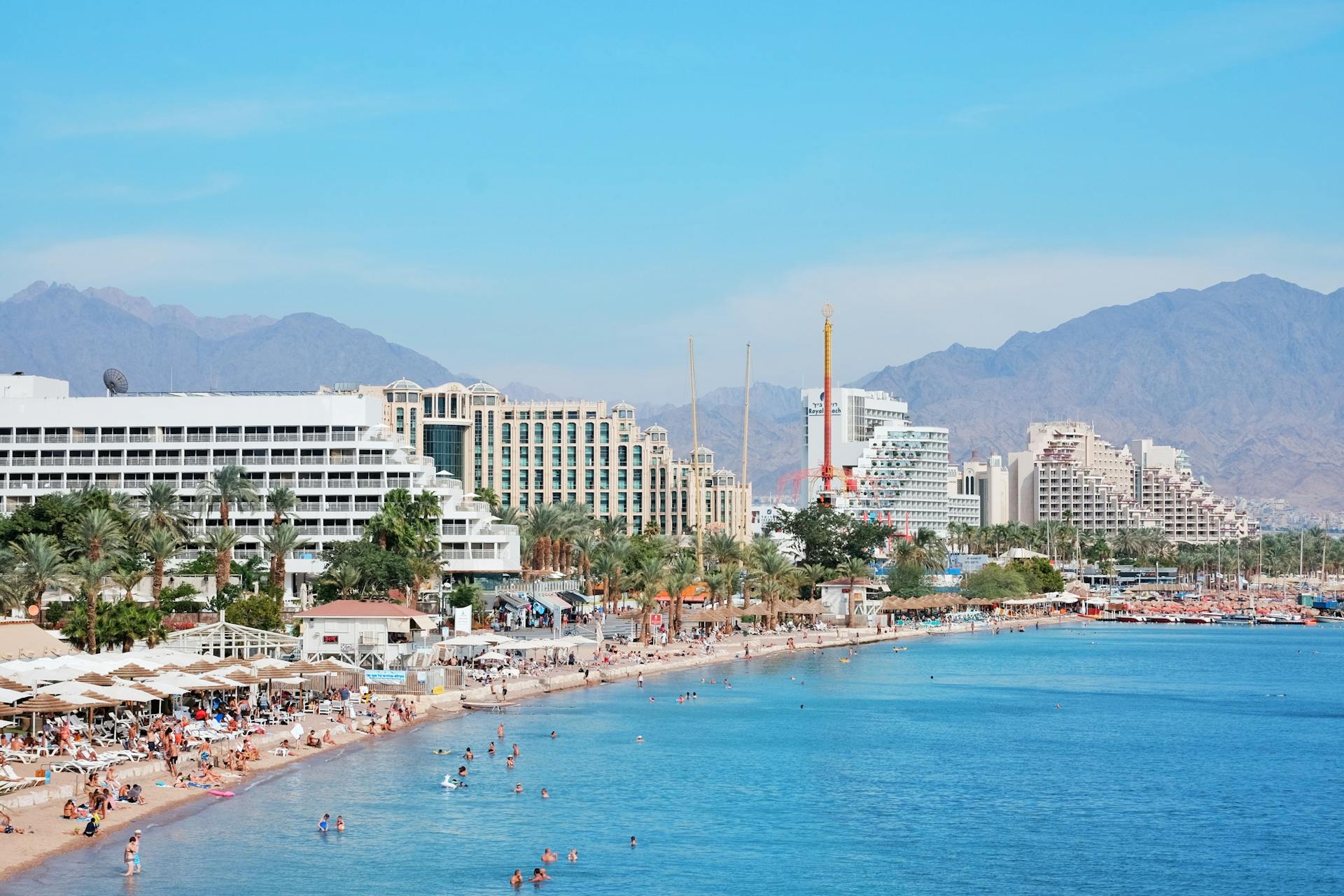
Institutions watching Israel’s growth nodes now face a practical puzzle: major transit upgrades are redrawing where overnight stays, conference traffic, and short-term lodging can expand. This regulatory briefing walks boards, endowments, and long-horizon funds through the rules, timing, and diligence habits that matter when rail, light rail, and bus rapid corridors meet hospitality real estate.
The phrase israel mkt transit hospitality corridors briefing captures a live conversation among planners, lenders, and asset managers who need plain language rather than jargon. Foundation presents the material for any adult reader who must brief a committee or simply understand why a station opening can reprice a hotel block three kilometers away.
Corridor Maps That Matter for Lodging Clusters
Transit maps are no longer abstract diagrams. Each new station or dedicated bus lane concentrates footfall, shortens airport-to-city transfer times, and changes the catchment for hotels, hostels, and serviced apartments. In Israel’s denser urban belts, hospitality operators already track ridership projections because guest volumes rise when visitors can move without private cars.
Boards should treat the published alignment of an upgrade as a first filter. Properties inside a ten-minute walk of a future stop often face different height, parking, and mixed-use rules than parcels farther out. The Israel Ministry of Construction and Housing issues guidance that municipalities then refine through local outline plans. Reading those plans early prevents surprises when a tender or acquisition reaches the board table.
Hospitality corridors also create secondary effects. Retail along the same street may convert to café and co-working formats that support business travelers. Institutions that hold both lodging and adjacent retail therefore need a single view of the corridor rather than siloed asset reviews.
Permitting Layers Institutions Cannot Skip
A transit upgrade rarely travels alone. Environmental clearances, temporary construction easements, and traffic-management orders all intersect with hotel operations. Night work noise, temporary road closures, and crane swing rights can interrupt occupancy for months. Regulatory calendars therefore become part of the investment thesis.
Licensing for lodging itself remains distinct. Tourism-related permits, fire-safety certificates, and accessibility upgrades sit under separate authorities. When a corridor project triggers a plan amendment, those lodging licenses may need re-confirmation. Teams that assume grandfathering often discover mid-construction that guest floors cannot reopen until a new inspection window opens.
Cross-check municipal calendars against national transport milestones. The Israel Central Bureau of Statistics publishes ridership and tourism arrival series that help size the demand shock after service begins. Pair those numbers with local building-department timelines so capital calls match actual cash-flow restarts.
Capital Structures Sensitive to Station Timing
Debt and equity terms shift once a station date firms up. Lenders often require tighter covenants during the disruption window and then relax them after ridership stabilizes. Equity partners may demand step-up returns if the hospitality asset underperforms during construction.
Real-estate investment trusts that hold mixed-use portfolios face additional governance questions. Voting thresholds for capital expenditure, related-party contracts with operators, and disclosure of transit-related contingencies all appear in recent policy discussions. Readers tracking those issues can review REIT Governance for Mixed Use Assets: Policy Developments to Watch in 2026 for the broader Israeli context.
Interest-rate and liquidity conditions still matter. The Bank of Israel sets the monetary backdrop against which corridor projects refinance. Institutions should model both a delayed opening and an early opening so that interest-coverage ratios remain intact under either scenario.
Municipal Pricing Signals Along New Routes
Land values near upgraded stations move first through public tenders and then through private deals. Watching tender results by city supplies a reality check on appraisal assumptions. Themes that surface in public consultation, height limits, affordable housing quotas, or hotel room caps, often reappear as binding conditions in later permits.
Detailed municipal patterns appear in Land Tender Pricing by Municipality: Public Consultation Themes. Use those patterns to stress-test any hospitality acquisition that sits inside a corridor buffer. A tender that clears at a premium can justify higher renovation budgets; a tender that fails can signal oversupply of rooms or unresolved infrastructure gaps.
Secondary cities now compete with core metros for corridor investment. When light-rail or bus rapid transit extends outward, secondary markets may offer lower entry prices but thinner operator talent pools. Boards should weigh both the land-price signal and the operational capacity of local management teams.
Climate and Coastal Overlays on Corridor Assets
Several high-profile transit corridors hug Israel’s coastal plain. Sea-level and storm-surge modeling therefore sits inside the same diligence file as ridership forecasts. Lenders increasingly ask for climate-risk scores before underwriting hospitality assets that depend on continuous guest access.
Compliance calendars change quarter by quarter. The briefing Climate Risk Pricing in Coastal Assets: Compliance Implications This Quarter outlines how insurers and regulators currently treat elevation and drainage data. Pair that material with transit maps so that flood-resilience spend and station access improvements land in the same capital plan.
International comparators help frame the conversation. Work published by the OECD on urban transport and resilient tourism infrastructure offers benchmarks that Israeli institutions can adapt without copying foreign statutes wholesale.
Technology Layers That Support Guest Flow
Modern corridors rely on digital ticketing, real-time occupancy sensors, and property-management platforms that talk to transit apps. Hospitality owners who retrofit multifamily or mixed-use buildings nearby gain efficiency when those systems share data securely. A practical primer on building-level upgrades lives at PropTech Retrofits for Multifamily Blocks: A Journalist's Primer.
Data privacy and cybersecurity rules still apply. Guest Wi-Fi logs, key-card records, and facial-recognition pilots at station plazas must stay inside Israeli privacy law. Institutions should require operators to document consent flows and retention schedules before approving technology spend linked to a corridor project.
Forward Scenarios Through 2026
Macro outlooks for Israeli property already embed corridor effects. Serious capital allocators examine supply pipelines, tourism recovery paths, and interest-rate paths together. The consolidated view appears in Israel Real Estate Market 2026: The Outlook Serious Investors Need.
Scenario tables should include three simple cases: on-time station opening with full ridership, six-month delay with partial service, and accelerated opening that floods the market with new rooms. Each case produces different occupancy ramps and different renovation windows. Present those cases in plain language so non-specialist trustees can vote with eyes open.
Broader reading lists help keep the brief current. The Israel Real Estate Market Trends archive collects related analyses, while the Foundation Blog and FAQ (frequently asked questions) answer recurring process questions that arise after the first board discussion.
Board Habits That Keep Corridor Exposure Disciplined
Successful institutions treat the corridor as a living file rather than a one-time memo. Assign a single owner who updates ridership, permit, and climate data on a fixed calendar. Require operators to report construction-related guest complaints and temporary rate reductions so that financial models stay honest.
When an acquisition or major capex vote arrives, attach the latest corridor map, the municipal tender history, and the climate overlay in the same pack. Avoid jargon-heavy slides; use short paragraphs and clear numbers. Non-experts absorb the material faster and ask sharper questions.
Finally, keep language consistent across internal and external communications. Guests, lenders, and regulators all notice when a project description drifts. A stable narrative built on verified regulatory milestones protects reputation as well as returns.
Related Foundation reading: Foundation World Israel hub.
Timeless Value. Perpetual Legacy.