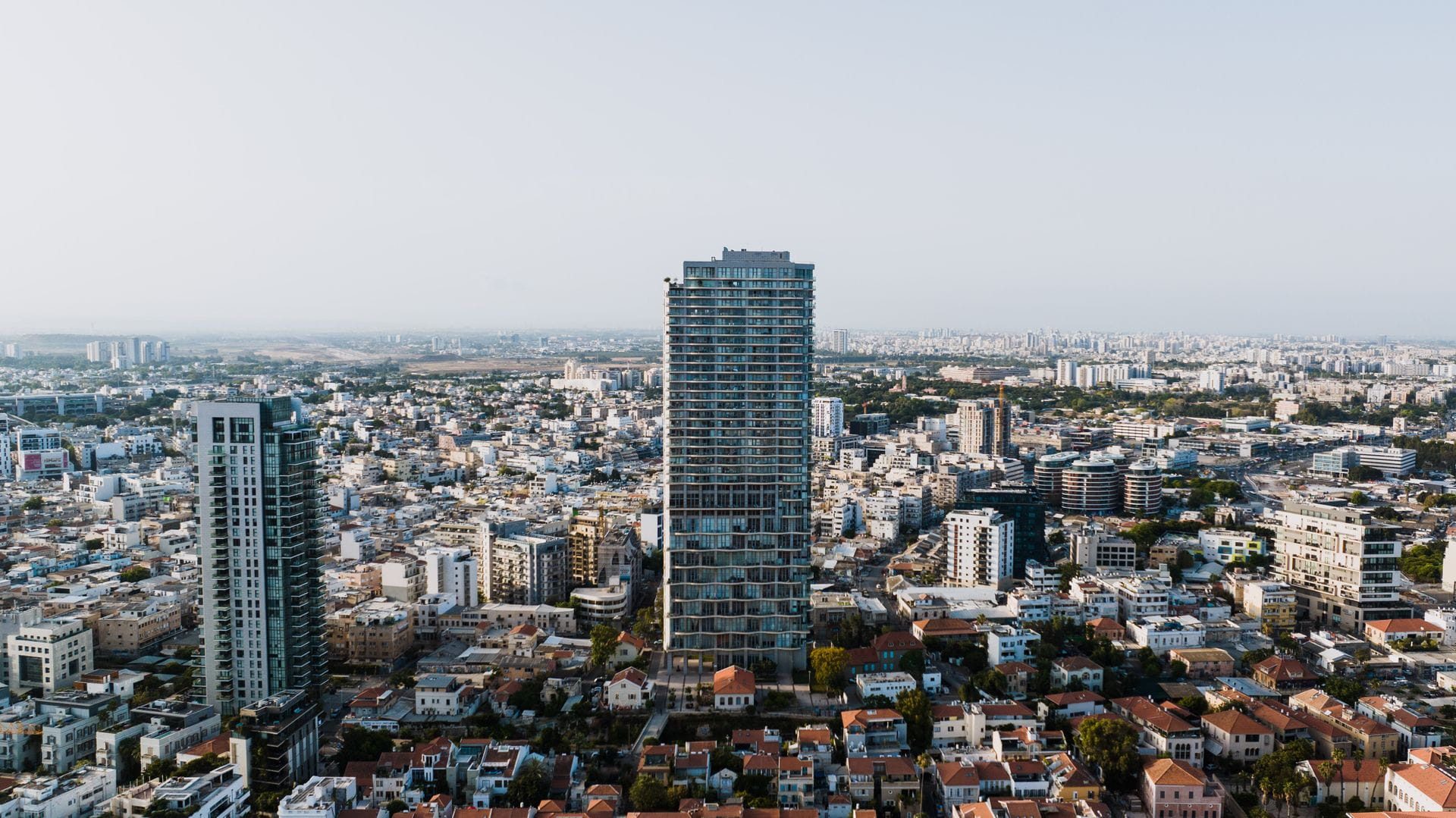
Land tenders in Israel set the price floor for parcels cities release to builders, and public consultation rounds often reveal why one municipality prices land differently from its neighbor. Residents, planners, and bidders bring distinct concerns to those sessions, and the patterns that emerge help explain local housing costs more clearly than any single auction result.
Municipal Boundaries and the Starting Bid Puzzle
Every local authority in Israel holds or manages land under slightly different rules, so the reserve price for a comparable residential plot can shift sharply once you cross a city line. A coastal municipality may factor sea views and tourism demand into its base valuation, while an inland city emphasizes school capacity and road access. Public consultation themes frequently center on whether that starting figure already embeds enough infrastructure contribution or whether it simply chases the highest possible bid.
Observers who track these differences often turn to national statistics for context. Figures published by the Israel Central Bureau of Statistics show how land-use patterns and population density vary by district, giving consultation participants a common reference when they question a municipality’s pricing assumptions. Without that shared baseline, debates risk becoming purely local arguments rather than informed reviews of market reality.
What Residents Typically Flag During Open Consultations
Neighbors living near a tendered site tend to focus on three practical issues: future density, traffic, and the likelihood that high land prices will push finished apartments beyond local incomes. Speakers rarely object to development itself; they object to a pricing method that appears to ignore the cumulative burden already placed on existing streets and clinics. When a city presents only the raw auction number without explaining how green space or school slots were costed, residents treat the consultation as incomplete.
Many of those same voices later consult the FAQ (frequently asked questions) pages of planning portals for plain-language explanations of tender terminology. That habit shows how consultation themes travel beyond the hearing room and shape public understanding of israel mkt land tender pricing consultation processes for years afterward.
Comparing Tender Outcomes From Coastal to Inland Localities
Coastal cities often post higher average tender prices per square meter because demand for second homes and tourism-linked uses remains strong. Inland municipalities, by contrast, sometimes accept lower bids when they need to attract builders who will also fund roads or community centers. Public consultation records repeatedly surface the same question: does a lower starting price genuinely expand supply, or does it simply transfer value to the successful bidder without improving local services?
Anyone studying those geographic spreads can find useful context in broader market writing such as Israel Real Estate Market 2026: The Outlook Serious Investors Need, which places municipal pricing inside national supply trends. Cross-checking local hearing notes against that outlook keeps the discussion grounded rather than anecdotal.
Price Signals That Affect Affordable Housing Goals
High land costs feed directly into final apartment prices, so consultation themes almost always include calls for set-asides or discounted parcels dedicated to smaller units. Municipal officers respond that discounted land still requires budget cover for infrastructure, and they ask participants to propose realistic offsets. The conversation then turns to whether national grants or tax tools can bridge the gap without simply shifting the burden to other taxpayers.
External benchmarks help frame those trade-offs. Country assessments from the IMF Israel country analysis regularly note housing affordability pressures, giving local speakers authoritative language when they urge municipalities to test lower reserve prices against social targets. Linking the tender number to measured affordability keeps the hearing focused on outcomes rather than rhetoric.
Developer Feedback Loops in the Consultation Record
Builders who attend public sessions usually press for clearer site information earlier in the process: soil surveys, utility capacity, and expected contribution formulas. Their comments form a recurring theme because incomplete data raises risk premiums that later appear in bid prices. When a municipality answers those points openly, subsequent tenders often attract more bidders and tighter spreads between reserve and final offer.
Labor cost pressures also surface in these exchanges. Participants sometimes reference studies such as Construction Wage Pressure in Urban Projects: City Pair Analysis for Allocators to show why a land price that looked feasible last year may no longer cover rising wages. That evidence turns consultation from opinion sharing into a joint review of total project economics.
How National Agencies Frame Local Land Releases
Although municipalities set the day-to-day pricing, national policy still shapes the volume and timing of parcels released. Guidance issued by the Israel Ministry of Construction and Housing influences which sites reach tender and whether social housing quotas apply. Consultation speakers frequently ask local officials to explain how those national directives altered the reserve price calculation for the current parcel.
Tourism-linked demand can further complicate the picture. In cities that experience sharp seasonal visitor spikes, land values for mixed-use or hospitality projects rise, and speakers sometimes cite material such as Pilgrimage Season Revenue Planning: How the Market Actually Works when they argue that pure residential pricing formulas undervalue alternative uses. Recognizing that multi-use pressure early helps the municipality defend or adjust its base figure.
Reading Between the Lines of Published Minutes
Official summaries of consultation sessions rarely capture every emotional exchange, yet they still reveal priority themes: transparency of valuation models, fairness across neighboring towns, and the balance between revenue maximization and long-term livability. Readers who compare successive minutes notice when a city begins to publish more detailed appraisal appendices or when it starts testing dual pricing tracks for market and affordable units.
Asset-conversion trends also appear in the margins of these documents. Mentions of underused office stock occasionally link to discussions of Office to Hotel Conversion Pipeline: What New Guidance Changes for Markets, because a successful conversion can free residential land elsewhere and ease tender pressure. Spotting that connection early lets participants ask sharper questions about overall land-use strategy.
Practical Implications for Buyers and Local Planners
Home buyers watching municipal tenders gain early warning of future apartment price ranges once they understand how consultation themes influence final land costs. A city that consistently softens reserve prices after public input may deliver more moderately priced stock two or three years later. Planners, for their part, can treat repeated themes as early signals that zoning or infrastructure plans need revision before the next release cycle.
Investors interested in listed vehicles should also note governance angles. Policy shifts that affect land pricing often feed into mixed-use structures, a topic covered in REIT Governance for Mixed Use Assets: Policy Developments to Watch in 2026. Linking tender consultation outcomes to those governance questions helps capital markets stay aligned with municipal practice.
International comparisons add further perspective. Work by the OECD on land-use regulation and housing supply offers a neutral frame for evaluating whether Israeli municipalities are unusually opaque or simply operating under tight fiscal constraints. Placing local hearings inside that wider evidence base reduces the risk of over-generalizing from a single city’s experience.
Readers who want continuous updates can browse the Israel Real Estate Market Trends archive for related municipal and national coverage, or scan the Foundation Blog for shorter notes that track consultation calendars and tender calendars as they evolve. Both resources keep the conversation active long after any one hearing closes.
Related Foundation reading: Foundation New York.
Timeless Value. Perpetual Legacy.