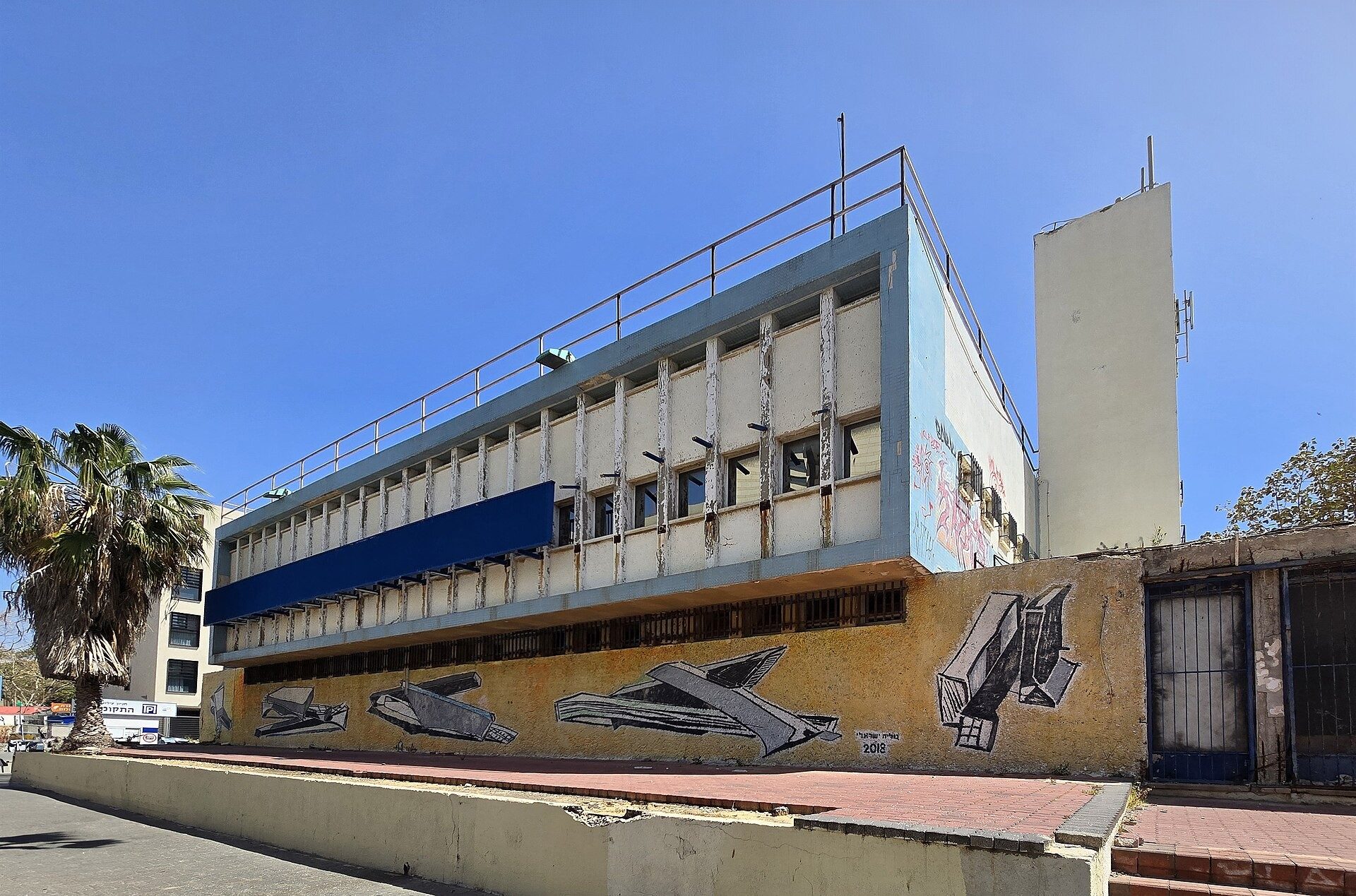
Israel’s commercial corridors still hold large blocks of underused office space while visitor nights keep recovering in key cities. The latest government and municipal guidance on office to hotel conversion has turned a slow, case by case idea into a clearer pipeline that owners, lenders, and operators can actually plan around. For anyone following israel mkt office hotel pipeline guidance, the practical question is no longer whether conversions are allowed in theory, but how the new rules change costs, timing, and risk in real markets.
Empty Floors Meeting Rising Guest Nights in Israel
Many multi-tenant towers built for technology and professional services now face softer long-term leasing. At the same time, leisure and business travel has returned unevenly, creating pockets of high hotel occupancy next to soft office floors. Conversion is not automatic reuse. It means redesigning vertical circulation, adding bathrooms, improving acoustic separation, and meeting hospitality fire and accessibility standards. When the numbers work, an empty floor plate can become guest rooms, meeting space, or a compact lifestyle hotel that serves both tourists and short-stay professionals.
Owners who once waited for full office recovery now compare residual office rents against projected room revenue after conversion costs. That comparison improved once guidance reduced uncertainty about use class, parking credits, and required amenities. Public statistics on building stock and tourism flows help frame the opportunity; the Israel Central Bureau of Statistics remains a primary source for occupancy and construction indicators that non-experts can follow without specialized software.
Guidance That Rewrote the Conversion Checklist
Earlier practice often forced full rezoning or lengthy variances. Newer direction from national and local bodies clarifies when an office building can shift to hotel use with a streamlined path, what minimum room sizes and common areas are expected, and how existing structural loads may be credited. The Israel Ministry of Construction and Housing has emphasized practical conversion standards that cut duplicated reviews while keeping safety intact.
Critical shifts include clearer parking offsets when hotels generate different peak traffic than offices, acceptance of certain mechanical upgrades without gut renovation of every floor, and guidance on mixed use floors that keep ground-level retail while rooms sit above. These points lower the chance that a project dies after heavy design spend. They also force earlier engagement with fire authorities and utility providers so that water, sewage, and power capacity are confirmed before financing locks in.
Investors who treat the guidance as a living checklist rather than a press release move faster. Cross-checking title and registration details early remains essential; recent process notes appear in Regulatory Update: Changes to Israel's Land Registry Process, which helps foreigners and locals alike avoid last-minute surprises when use changes are recorded.
City by City Signals Across the Israeli Map
Tel Aviv and its immediate ring still dominate visitor demand, yet land and building prices there compress conversion margins. Secondary cities with strong transport links or coastal appeal can offer better yield if the product matches the guest profile. Haifa’s port-related traffic and conference activity create a distinct demand pattern that differs from pure leisure destinations; comparative context is available in Haifa Maritime Trade and Property Demand: Global Market Comparison.
Jerusalem projects must navigate heritage and height sensitivities that pure commercial districts avoid. Peripheral locations with newer office stock may convert more cleanly because floor plates already support modern systems. Each city still applies local interpretation, so a national framework does not erase municipal discretion. Reading recent transaction and absorption patterns in the Israel Real Estate Market Trends archive helps separate hype from locations that actually show sustained room demand.
Capital and Debt Markets React to the Shift
Lenders care about stabilized occupancy, brand or operator strength, and exit options if tourism softens. Clearer conversion rules improve underwriting because cost contingencies shrink when redesign scope is better defined. Equity partners still demand realistic ramp-up periods; a newly converted hotel rarely hits mature rates on day one. Macro conditions matter as well. Broader economic assessments such as the IMF Israel country analysis and peer reviews published through the OECD shape risk appetite for real-estate credit in general.
Monetary policy sets the cost of construction and permanent loans. Monitoring statements from the Bank of Israel remains basic homework for any conversion timeline that stretches beyond a few quarters. Mixed-use structures that keep some office or retail income during ramp-up can ease debt service; governance questions for such assets are explored in REIT Governance for Mixed Use Assets: Policy Developments to Watch in 2026.
Labor and Construction Realities on Converted Sites
Turning desks into beds requires specialized trades: bathroom rough-in, corridor fire rating, elevator capacity for luggage carts, and often new kitchen or laundry space. Labor availability and material lead times can stretch schedules even when permits arrive on time. Phased floor-by-floor work allows partial revenue earlier, yet it complicates logistics and guest experience if the building remains partly occupied by office tenants.
Noise and dust control become contractual issues when neighboring tenants stay during construction. Owners who budget contingency for temporary elevators, after-hours work premiums, and temporary power avoid the classic overrun that kills conversion returns. Simple, durable finishes often outperform luxury packages in secondary markets where rate sensitivity is high.
Measuring Success Beyond Opening Day
Opening the first rooms is only the midpoint. Success metrics include occupancy by season, average daily rate relative to nearby hotels, guest review scores that protect distribution channel rankings, and operating costs per available room. Energy performance after conversion can surprise owners if envelope upgrades were skipped; hospitality loads differ from office schedules.
Longer view investors also watch whether the converted asset can later flex back toward residential or serviced apartments if demand shifts. The guidance does not freeze a building forever in hotel use, yet future changes would again require process. Forward-looking market framing for 2026 and beyond appears in Israel Real Estate Market 2026: The Outlook Serious Investors Need.
Where Foreign Capital Fits the New Picture
Overseas buyers often bring brand relationships or operating know-how that local owners lack. They also face extra questions on currency, tax, and ownership structure. Practical answers to common entry points sit in Frequently Asked Questions About Investing in Israeli Real Estate as a Foreigner. Pairing that reading with the site’s broader FAQ (frequently asked questions) and ongoing coverage on the Blog keeps non-experts current without wading through raw regulation.
The pipeline will not convert every empty tower. Location, structural suitability, and realistic guest demand still decide winners. What the new guidance changes is the speed and predictability of the path for assets that already make economic sense. Owners who map those assets against the updated checklist, secure operator interest early, and size capital to construction and ramp-up realities stand to turn idle space into productive hospitality stock while the market still rewards timely delivery.
Readers comparing notes on Office to Hotel Conversion Pipeline What New Guidance in Israel should keep one dated source list and one named owner for updates so the next review of Office to Hotel Conversion Pipeline What New Guidance does not restart definitions. Article reference israel-338.
Timeless Value. Perpetual Legacy.