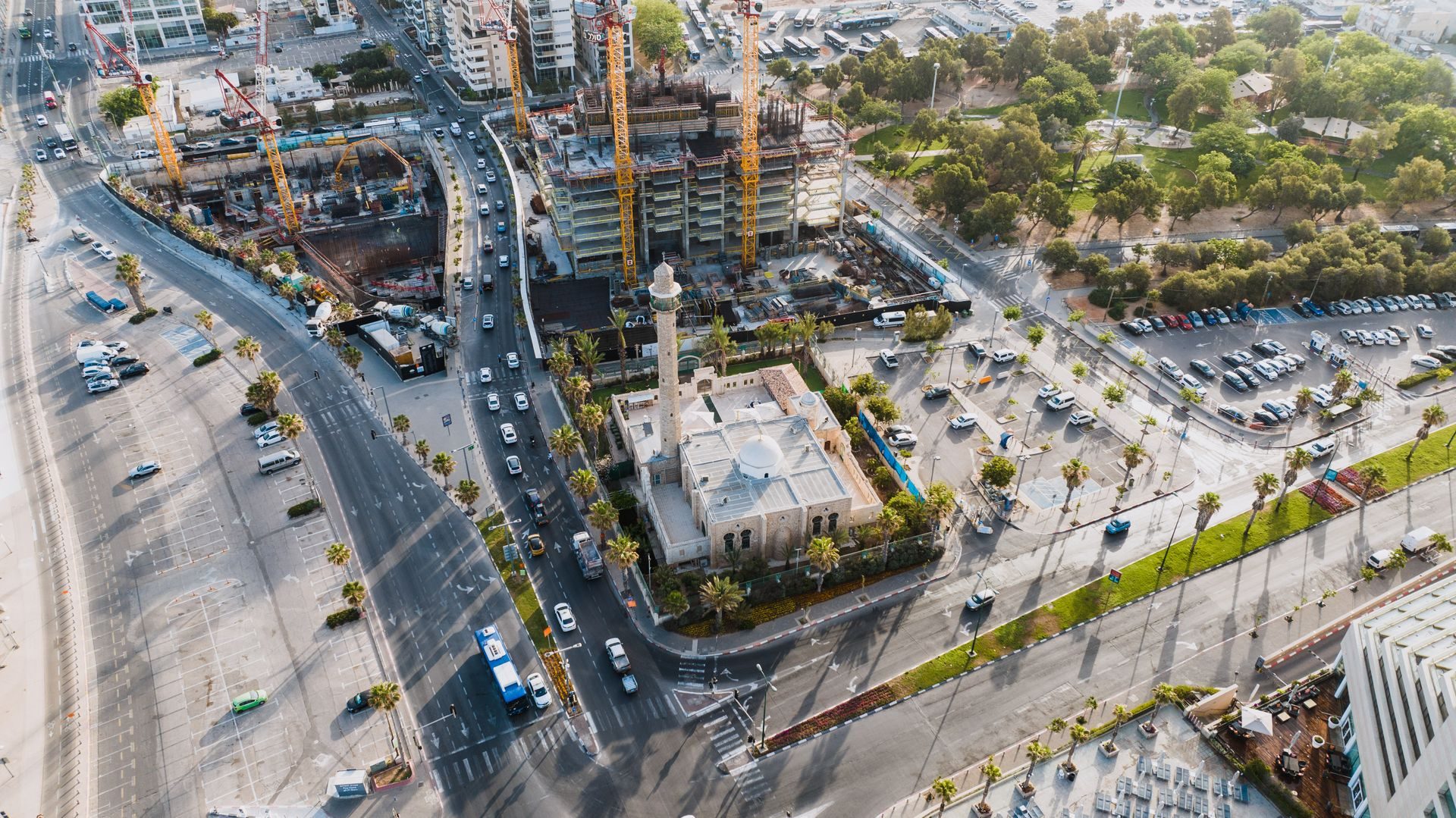
PropTech retrofits for multifamily blocks demand careful reporting because the phrase mixes hardware, software, and communal decision-making that rarely appears together in a single press release. In Israel the term usually covers sensors, meters, controllers, and apps added to existing residential towers rather than new construction. This primer equips journalists with vocabulary, questions, and context so coverage stays accurate for readers who live in those buildings or own units inside them.
Shared Vertical Systems That Sensors Can Reach First
Most multifamily blocks in Israel share elevators, stairwells, water risers, and electrical rooms. Those common elements form the earliest targets for PropTech because one installation serves dozens of households. A journalist covering a retrofit should ask which system received sensors first and why that choice mattered more than adding lobby tablets. Pressure gauges on water risers, for instance, reveal leaks before apartments flood and before insurance claims rise. Vibration sensors on elevator cables flag wear that would otherwise wait for the next mandatory inspection.
Simple submetering of electricity in the basement often appears next. When each floor or each cluster of units gains its own digital meter, building committees can allocate costs fairly and spot anomalous night-time draws. The Israel Ministry of Construction and Housing maintains guidance on permitted metering schemes, so reporters should verify that any new hardware matches those published rules rather than relying solely on vendor claims.
Envelope Work That Quietly Beats Glamorous Lobby Screens
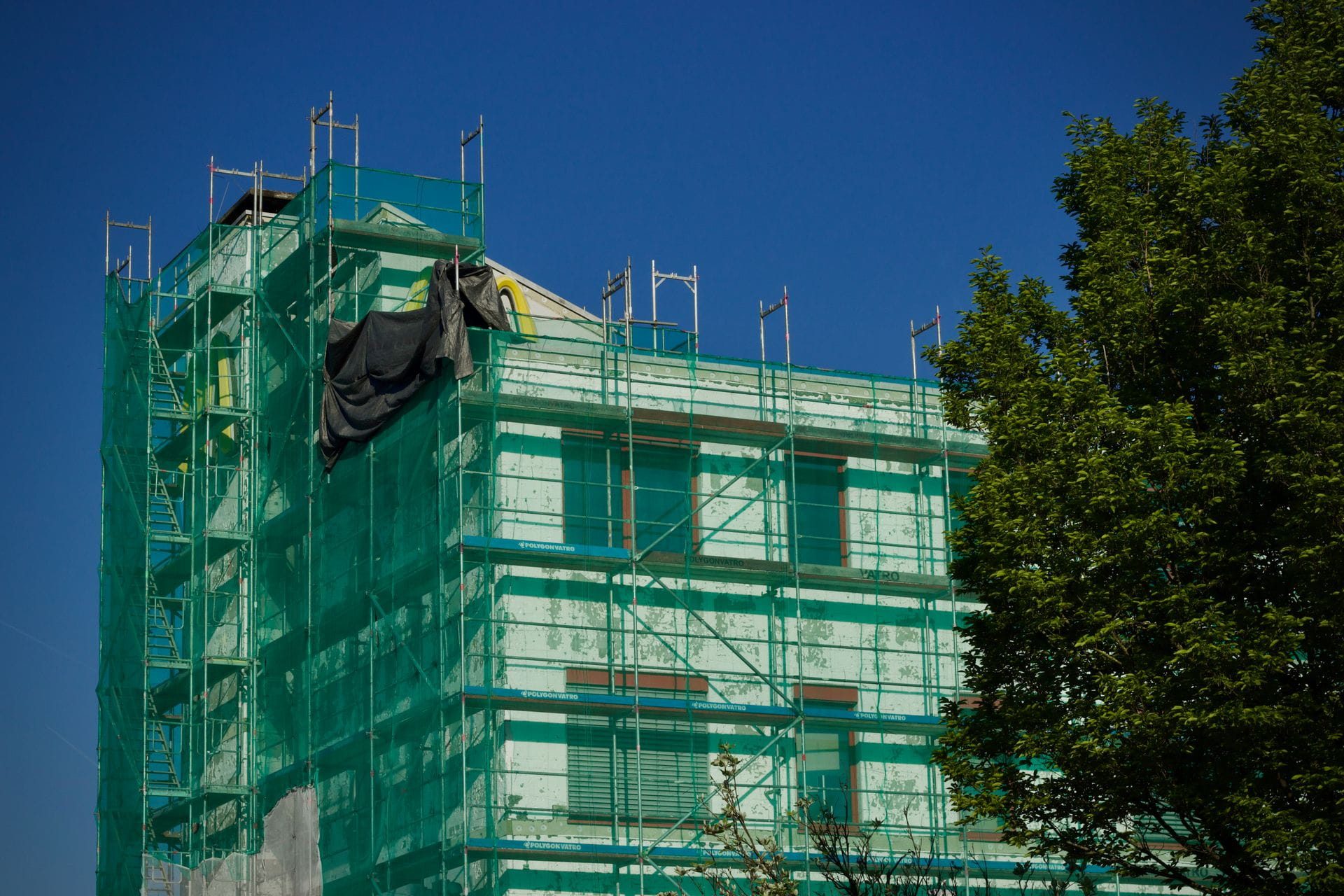
Air sealing around windows and roof insulation rarely generate splashy photographs, yet they deliver the largest and most durable energy reductions. PropTech enters the picture when infrared cameras and blower-door tests quantify the leaks before contractors begin sealing. After the work, continuous temperature and humidity loggers prove whether the promised savings materialize. Journalists who visit a site mid-project can request the before-and-after thermal images; those files often tell a clearer story than any marketing brochure.
Heat-pump water heaters and high-efficiency chillers frequently follow envelope upgrades because the building now loses less conditioned air. Controllers that adjust set-points according to occupancy patterns keep the new equipment from running at full load during empty daytime hours. Readers of Foundation will recognize that such sequencing mirrors larger patterns described in How Technology Demand Is Redrawing Israel's Commercial Real Estate Map, where demand for efficient space pushes owners to upgrade existing stock instead of always building new towers.
Tenant-Facing Applications That Reduce Friction Without Spying
Mobile apps that let residents report leaks, book elevators for moves, or pay building fees can lower the volume of angry WhatsApp groups. The same apps sometimes integrate door access or package lockers. Privacy questions arise immediately: who stores the video, how long do logs remain, and can individual owners opt out? A solid article will quote both the app vendor and the building’s elected committee chair on data retention schedules.
When coverage turns to student-oriented buildings, the conversation shifts toward higher density and shorter leases. The practical challenges of rapid unit turnover appear in Student Housing Delivery in Tel Aviv: Explained in Plain Language, offering useful comparison points for any multifamily retrofit story that includes younger tenants.
Funding Routes That Building Committees Actually Vote On
Israeli multifamily buildings usually lack a single corporate owner. Instead, a committee of residents votes on capital expenditures. PropTech vendors therefore structure proposals as multi-year payment plans that stay within monthly maintenance budgets. Journalists should ask for the exact shekel amount per unit per month and the projected payback period measured against current utility bills. Special assessments remain possible but politically difficult; stories that ignore the voting reality will feel incomplete to readers who have sat through such meetings.
Macro conditions influence how aggressively committees proceed. Currency swings and interest-rate moves alter the attractiveness of financing, topics explored in Currency and Macro Trends Shaping Israeli Property Returns. Linking retrofit decisions to those broader forces helps non-experts grasp why some buildings move faster than others.
Capital-Efficiency Frameworks That Investors Quietly Apply
Some owners treat a PropTech retrofit as the first stage of a larger capital cycle: improve the asset, raise rents or valuations, refinance, then redeploy cash. That sequence resembles the classic BRRRR approach adapted to local market rules. Detailed steps appear in The BRRRR Method Applied to Israeli Real Estate: A Framework for Capital Efficie, giving reporters a ready vocabulary when they interview sophisticated owners who mention “recycling equity after the upgrade.”
Family offices that hold stakes in residential real-estate investment trusts sometimes push for standardized retrofit packages across multiple buildings. Their allocation logic is outlined in Family Office Allocation to Israeli REITs: What New Readers Should Know. Mentioning those larger capital pools prevents the story from treating every building committee as an isolated amateur group.
Official Numbers That Ground Any Claim About Scale
Reporters need baseline statistics on the age and size of the multifamily stock before they accept a vendor’s assertion that “half the country needs this tomorrow.” The Israel Central Bureau of Statistics publishes housing stock tables by construction decade and by locality. Cross-checking those tables against a proposed retrofit program reveals whether the numbers being quoted are national, regional, or simply aspirational.
International benchmarks help readers judge local progress. The OECD tracks residential energy intensity across member countries; citing its latest Israel figures places any single-building savings story inside a wider comparative frame. Likewise, the IMF Israel country analysis supplies macro context on household debt and construction investment that can explain why certain retrofit waves accelerate or stall.
Questions That Separate Marketing From Measurable Results
After touring a completed project, a journalist should request three concrete data points: monthly kilowatt-hour reduction, water cubic-meter reduction, and change in maintenance tickets. If the building committee cannot supply at least one of those figures, the retrofit may still be in its demonstration phase rather than proven. Follow-up interviews six months later often yield more reliable numbers than the day of the ribbon-cutting.
Further reading on related capital and technology themes lives in the Smart Strategies archive. Readers who finish this primer and still have basic definitional questions can consult the FAQ (frequently asked questions) page, while ongoing coverage of market shifts continues on the main Blog.
Readers comparing notes on PropTech Retrofits for Multifamily Blocks A Journalist s in Israel should keep one dated source list and one named owner for updates so the next review of PropTech Retrofits for Multifamily Blocks A Journalist s does not restart definitions. Article reference israel-202.
If two teams disagree about PropTech Retrofits for Multifamily Blocks A Journalist s, write the disagreement in one paragraph with the evidence each side trusts before any money language expands around PropTech Retrofits for Multifamily Blocks A Journalist s. Article reference israel-202.
A short refusal note for PropTech Retrofits for Multifamily Blocks A Journalist s should say what was parked, why it was parked, and who can reopen the file on PropTech Retrofits for Multifamily Blocks A Journalist s after new facts arrive in Israel. Article reference israel-202.
Readers comparing notes on PropTech Retrofits for Multifamily Blocks A Journalist s in Israel should keep one dated source list and one named owner for updates so the next review of PropTech Retrofits for Multifamily Blocks A Journalist s does not restart definitions. Article reference israel-202.
Related Foundation reading: Foundation New York.
Timeless Value. Perpetual Legacy.