Israel’s office markets hold large floors that sit quiet after hybrid work took hold. Turning those spaces into hotels looks simple on paper yet the israel mkt office hotel pipeline reliability depends on engineering, staffing, utilities, and steady capital. Foundation tracks how operators and owners keep those projects moving without drama.
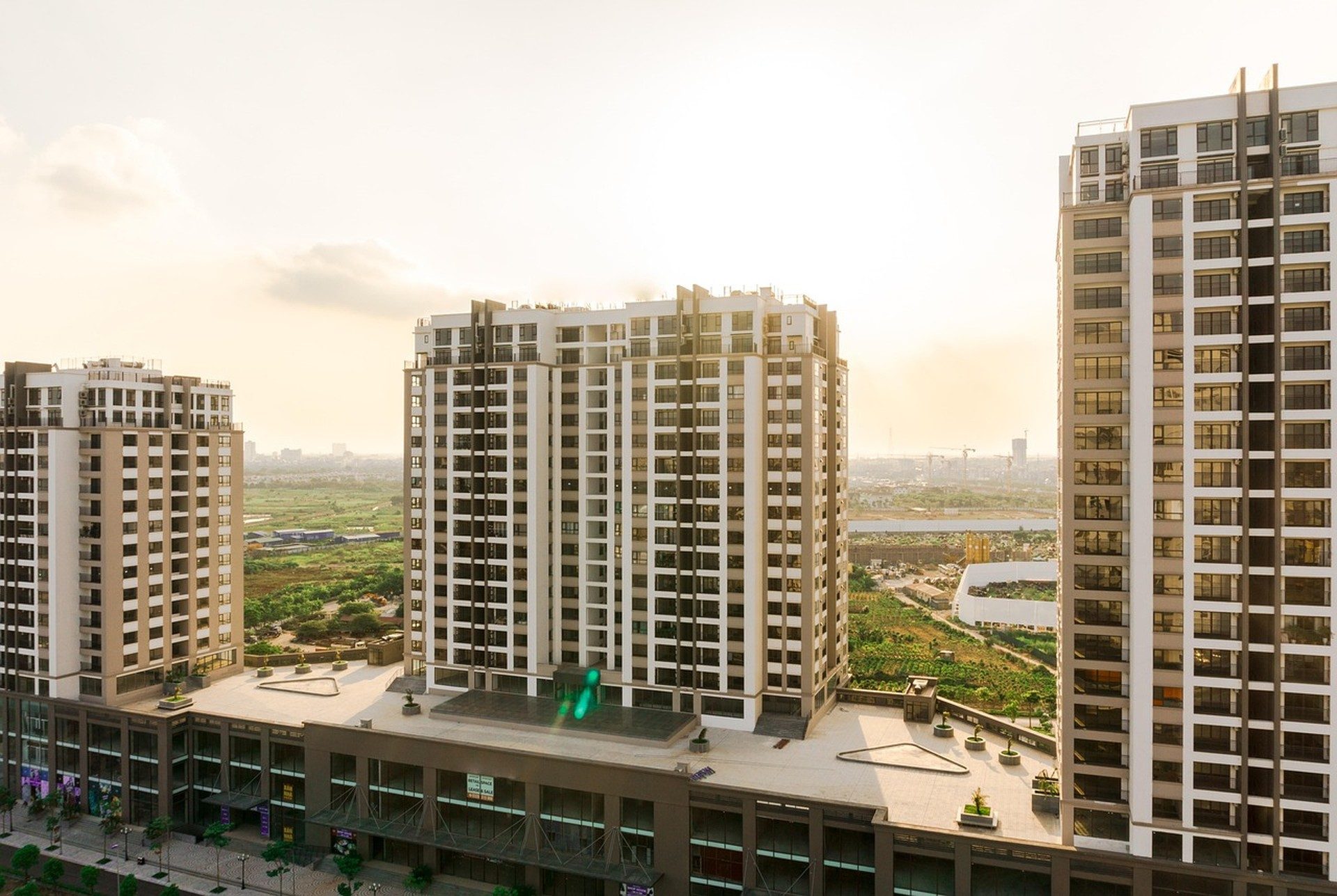
Empty towers in Tel Aviv, Herzliya, and Haifa already show the raw material. Nighttime demand from business travelers, medical tourists, and short-stay visitors keeps rising while new hotel builds face land scarcity. Conversion can fill that gap if the work stays reliable under pressure.
Empty Towers and the Pull Toward Overnight Stays
Corporate tenants vacated large blocks after 2020. Landlords now face long vacancies and softening rents. A hotel operator sees ready vertical space, existing elevators, and often a strong address. The math works only when the building can support continuous occupancy rather than nine-to-five traffic.
Guest nights generate revenue every calendar day. Office income arrives monthly and can vanish when a lease ends. That difference rewards owners who finish conversions on schedule and then keep rooms open through seasonal dips. Readers who follow the Israel Real Estate Market 2026: The Outlook Serious Investors Need already know capital prefers assets that earn around the clock.
Local data from the Israel Central Bureau of Statistics show visitor arrivals recovering while office absorption lags. That gap creates the pipeline. Reliability means each project that starts must reach opening day without fatal surprises.
Zoning Hurdles Specific to Israeli Municipalities
Municipal plans rarely list “hotel” as an automatic use for office plots. Operators must file for change of use, prove parking ratios, and sometimes add public amenities. Coastal cities add flood and wave-height rules that affect lower floors. Inland cities focus on traffic impact studies.
Public consultation windows can stretch months. Themes that surface during those hearings often mirror points raised in the Land Tender Pricing by Municipality: Public Consultation Themes series. Early engagement with planning staff shortens the wait and protects the conversion timeline.
The Israel Ministry of Construction and Housing publishes national guidelines that municipalities interpret differently. Operators who map each city’s checklist before purchase reduce the chance of costly redesigns later.
Engineering Truths Behind Reliable Floor Plate Changes
Office floor plates are deep and open. Hotels need corridors, bathrooms, and sound isolation. Load-bearing columns may sit in the wrong places for guest-room walls. Adding wet stacks requires core drilling that can weaken slabs if not engineered carefully.
Fire code jumps from office to residential-hotel standards. Escape stairs, smoke control, and sprinkler coverage must expand. Seismic detailing, already strict in Israel, receives extra scrutiny because overnight guests sleep through minor tremors. Structural engineers who specialize in reuse projects become non-negotiable partners.
Facade work often includes new windows that open for ventilation or balconies that never existed. Wind loads on tall buildings change once openings appear. Peer review of those calculations prevents later shutdowns ordered by inspectors.
Keeping the Lights On When Guests Never Leave
Offices run heavy air-conditioning only on weekdays. Hotels demand cooling, heating, and hot water around the clock. Electrical transformers sized for intermittent peaks may overheat under constant load. Operators therefore upgrade switchgear and add backup generators early in the fit-out.
Water pressure and sewage capacity also rise. Guest showers run simultaneously at peak hours. Older office risers rarely handle that volume. Dual pumps and larger stacks keep showers working and protect lower floors from backups.
Energy cost forecasts matter. The Bank of Israel tracks electricity price paths that feed into operating budgets. Projects that lock long-term utility contracts before opening gain a resilience edge when rates spike.
Climate exposure compounds these issues. Coastal assets face salt air and storm surges that corrode mechanical rooms. Owners already studying Climate Risk Pricing in Coastal Assets: Compliance Implications This Quarter fold those findings into mechanical room placement and material choices.
People Systems That Survive the Shift From Tenants to Tourists
Office security guards know badge readers and after-hours patrols. Hotel teams must greet guests, clean rooms daily, and resolve complaints at 2 a.m. Training programs bridge that gap before soft opening. Cross-training housekeepers and front-desk staff creates depth when absenteeism hits.
Supply chains change too. Office cleaners ordered bulk paper weekly. Hotels need linen, toiletries, and minibar stock every few days. Local vendors who already serve nearby hotels shorten delivery risk. Contracts that include penalty clauses for missed drops protect occupancy.
Labor markets in Israel remain tight. Aliyah inflows bring new residents who may seek hospitality jobs. Operators who review the Aliyah Linked Housing Demand Forecasts: Technical Deep Dive for Operators can anticipate both housing pressure near their sites and potential staff pools.
Retention bonuses and clear career ladders keep experienced staff through the first two seasons. High turnover destroys guest scores and forces expensive agency labor. Resilience lives in payroll as much as in concrete.
Stress Testing the Pipeline Against Economic and Climate Shocks
Currency swings affect imported furniture and finishes. Interest-rate jumps raise construction loan costs mid-project. Operators who model three rate scenarios before closing keep equity buffers ready. The IMF Israel country analysis supplies macro assumptions that feed those models.
Tourism can drop after regional tension. Diversified demand (medical, tech conferences, domestic weekends) softens the blow. Heritage districts near some conversion sites already show strong footfall even in quieter months. Policy shifts that support those districts appear in the Heritage District Footfall Economics: Policy Developments to Watch in 2026 briefing.
Physical climate tests include backup power duration and flood barriers at ground level. Buildings that pass those tests keep rooms bookable while competitors go dark. Insurance underwriters reward the same upgrades with lower premiums, improving long-term cash flow.
International benchmarks from the OECD help owners compare Israeli conversion performance with peer cities. Gaps that appear in those comparisons become action items before the next project launches.
Reading Forward Signals for Operators and Capital Partners
Pipeline reliability shows up in three places: permit velocity, contractor bid stability, and pre-opening booking curves. When any of those three weakens, owners pause further conversions until the signal improves. Weekly dashboards that track all three prevent surprise capital calls.
Secondary cities sometimes offer faster permits and lower land costs. Early movers who master those municipal processes build a repeatable template without repeating design mistakes. Foundation’s Israel Real Estate Market Trends archive collects the municipal pattern data that make those choices clearer.
Investors also watch guest-review scores in the first six months. Low scores signal operational gaps that were invisible on the construction drawings. Rapid remediation budgets, set aside at financial close, protect brand value and refinance options.
Questions that surface during diligence often reappear later. The Foundation FAQ (frequently asked questions) gathers the most common ones so teams can resolve them early. Operators who want ongoing updates can also scan the Blog for fresh case notes from live projects.
Every conversion that reaches stable occupancy free of major outages raises confidence across the entire israel mkt office hotel pipeline reliability story. Capital then flows to the next empty tower with less hesitation. That virtuous cycle is what operational resilience looks like on the ground.
Timeless Value. Perpetual Legacy.