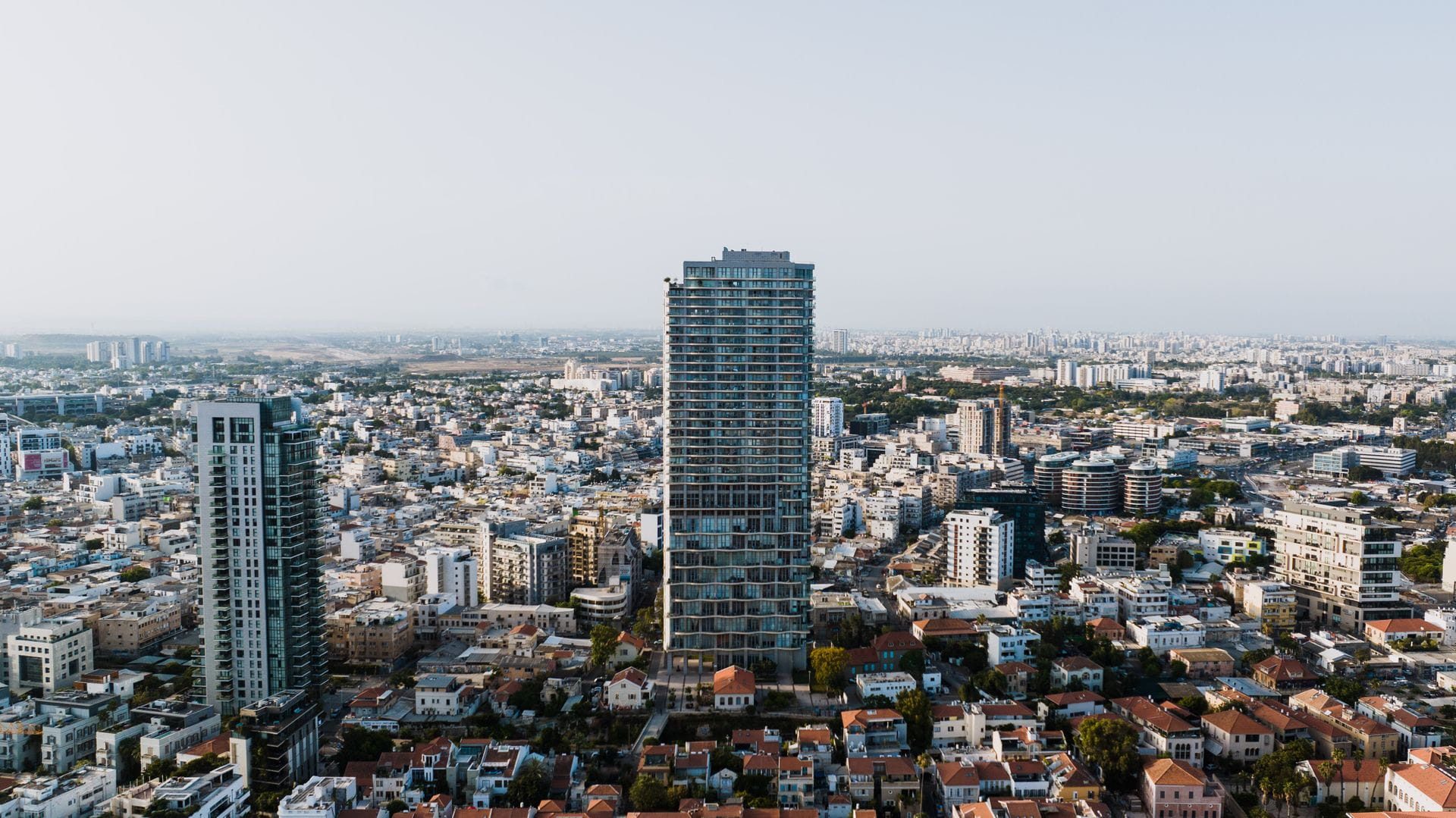
Cross border capital targeting Israeli property has accelerated as diaspora allocators, family offices, and institutional funds seek income and development exposure in a market with established registry frameworks, shekel denominated assets, and coastal inventory that trades on global comparison metrics. Governed tracking of foreign investment Israeli real estate requires source geography notes, product band splits, and regulatory pathway documentation foreign counsel can defend before offshore tranches release on anecdotal inflow headlines. This guide explains how serious investors read foreign capital evidence and its pricing effects across Israel's major markets.
Readers exploring foreign investment Israeli real estate should review How Technology Demand Is Redrawing Israel's Commercial Real Estate Map and Regulatory and Tax Considerations for Foreign Investors in Israel. What follows concentrates on foreign investment Israeli real estate, not introductory platform mechanics.
Why foreign inflow headlines require source geography detail
Foreign investment statistics aggregate diaspora capital, institutional fund allocations, and opportunistic buyer activity from multiple source countries with different motivation profiles and hold period expectations. Committees should disaggregate inflow reporting by source region and product type rather than treating one national inflow figure as proof of uniform price pressure across Tel Aviv, Jerusalem, and secondary corridors. Effective memos name which buyer categories drive reported inflow growth and which segments show flat foreign participation despite headline totals.
Market cycle context appears in Israel Real Estate Market 2026: The Outlook Serious Investors Need, which inflow memos should align with before outlook votes treat foreign capital as decoupled from rate and currency conditions.
Balance of payments and capital flow reporting from the Bank of Israel supplies authoritative cross border capital context committees can attach beside broker inflow summaries lacking source detail.
Diaspora capital versus institutional fund allocations
Diaspora buyers often prioritize specific cities with family ties, cultural proximity, and long hold horizons that differ from institutional funds targeting income yield and defined exit windows. Pricing effects diverge when diaspora demand concentrates in Jerusalem and select coastal neighborhoods while institutional pools compete for Tel Aviv income assets and development parcels. Inflow memos should separate buyer categories because identical transaction volume from different sources produces different absorption and pricing dynamics.
Land pricing context for development oriented foreign capital appears in Land Price Trends Across Israel's Growth Corridors, which inflow analysis should cross reference when foreign buyers compete for ILA tender parcels in growth corridors.
Currency hedging and entry timing for dollar mandates
Non resident allocators denominated in dollars face entry pricing through both local asset values and shekel exchange rates at settlement. Inflow waves often cluster when currency conditions favor entry even if local currency prices appear elevated on historical charts. Memos should document currency assumptions beside foreign participation statistics.
Product bands attracting foreign capital concentration
Foreign buyers concentrate in coastal towers, income producing multifamily, and select development sites while participating less in peripheral owner occupier segments dominated by domestic household demand. Product band separated inflow analysis prevents national foreign investment narratives from masking segments where local buyers still set marginal pricing. Institutional review should chart foreign transaction share by product type with observation dates foreign lenders can audit.
Justice Ministry registration data from the Israel Ministry of Justice helps committees cross check foreign buyer participation claims against registry filings when broker decks cite inflow without transaction evidence.
Regulatory pathways and structure considerations for non residents
Non resident acquisition structures face tax reporting, financing availability, and repatriation rules that affect net returns and hold period decisions. Foreign inflow growth may slow when regulatory clarity decreases or when local financing panels tighten non resident lending even while headline buyer interest remains strong. Counsel memos documenting regulatory pathway assumptions belong beside inflow statistics before offshore commitments release.
Cross border investment policy research from the International Monetary Fund publications supports comparative framing when principals compare Israeli foreign entry rules with other markets in their geographic allocation mix.
Competition effects on pricing and yield compression
Rising foreign participation can compress yields and elevate entry prices in segments where local buyer depth is insufficient to absorb competing bids at prior pricing levels. Competition analysis should compare foreign transaction share trends against rent growth and cap rate movement rather than assuming inflows automatically validate higher valuations. Yield compression in foreign dominated submarkets may signal saturated entry pricing rather than sustainable income returns.
Employment and infrastructure driven demand supporting rental income appears in AI Infrastructure Demand Is Reshaping Israel's Real Estate Map, which inflow models should consult before assuming foreign capital follows technology corridor growth without yield discipline.
Geographic concentration and diversification limits for foreign sleeves
Foreign capital often concentrates in Tel Aviv and Jerusalem creating geographic concentration risk for offshore mandates requiring diversification across Israeli submarkets. Committees sizing foreign exposure should map concentration limits against actual inflow geography rather than assuming national diversification from multi city marketing language alone. Peripheral markets may offer foreign entry opportunities with different liquidity and exit profiles than coastal core assets attracting majority inflow attention.
Population driven demand supporting rental absorption appears in Population Growth and Its Effect on Housing Demand in Israel, which inflow memos should cross reference when foreign income acquisitions depend on tenant demand forecasts in specific districts.
Urban foreign investment research from the World Bank urban development topic supports external benchmarking when co investors question Israeli foreign participation levels relative to comparable markets.
Documenting inflow evidence for committee and LP review
Vote ready inflow packets list source geography, buyer category splits, product band concentration, currency assumptions, and regulatory pathway notes in auditable language. Anecdotal diaspora interest stories fail lender scrutiny when transaction evidence and registry participation data lack dated substance successors can verify.
Foreign investment Israeli real estate governance treats capital flow proof as a gate: source disaggregation before headline totals, product bands before national inflow claims, regulatory pathways before structure commitments, and yield competition analysis before pricing votes. Broker inflow narratives cannot replace transaction evidence foreign principals can defend through currency and rate cycles.
Additional capital flow and market analysis appears in the Market Trends archive. Foreign acquisition questions are addressed on the FAQ, with field observations on the Blog.
Reconstruction market foreign capital context from the Ukraine reconstruction market helps diaspora committees contrast Israeli registry based foreign entry with recovery markets where capital flows follow different risk and return calendars.
Rep exit liquidity and foreign hold period assumptions
Foreign investors sizing Israeli exposure must align hold period assumptions with exit liquidity in the product bands and corridors they target because foreign dominated submarkets can show strong entry pricing but thinner resale depth when multiple offshore sellers seek exits simultaneously. Inflow memos should note exit liquidity benchmarks beside entry statistics so committees do not treat rising foreign participation as one directional price support without considering eventual resale supply from the same buyer category.
Include foreign transaction share tables with source geography and product band splits in the next committee packet before offshore tranches advance on inflow headlines lacking registry participation evidence. Refresh participation tables after Justice Ministry registration releases that revise prior quarter foreign buyer share estimates.
Committee packets for article 049 on israel should restate observation dates, data owners, and assumption versions so successors can re-run the analysis without reconstructing narrative from prior minutes. Include a short change log when tables move between sessions. Marker israel-049-en-a.
Related Foundation reading: Foundation hub and Foundation New York.
Timeless Value. Perpetual Legacy.