Water cooling systems data centers have begun rewriting how investors and developers look at industrial parcels across Israel. Heat loads from dense server racks can no longer be handled by air alone in many new builds, so liquid loops, chillers, and towers now sit at the center of site choice and lease math. Foundation tracks these shifts because the physical footprint of coolant plant often decides whether a plot can host modern compute capacity at all.
Liquid Loops Quietly Redefine Parcel Attractiveness Along the Coastal Plain
Server halls that once needed only power and fiber now demand reliable cold-water circuits. In Israel that requirement immediately elevates parcels near existing industrial water mains or recycled-water lines. A site that can deliver high-volume chilled water without lengthy new piping commands higher residual land value. Developers therefore map municipal water networks before they open pricing discussions with tenants. This mapping exercise has already pulled demand toward certain zones east of Tel Aviv and north of Ashdod where industrial water infrastructure already exists.
Cooling towers and heat exchangers also consume vertical space and create noise envelopes. Adjacent residential or office buildings can object if those envelopes reach their windows. Consequently, parcels with generous setbacks or natural buffers become scarce. Landowners who can demonstrate that a water cooling systems data centers layout stays within acoustic and visual limits close deals faster. The same landowners often negotiate higher triple-net rents because the technical risk for the tenant is lower.
Desert Edge Plots Face Different Water Calculus Than Haifa-Area Sites
Inland locations near Beersheba or along the Negev fringes offer cheaper land yet must solve water scarcity. Evaporative cooling that works near the Mediterranean becomes expensive when every cubic meter of makeup water must be trucked or pumped from distant sources. Closed-loop chillers reduce consumption but raise capital cost and electricity draw. Real-estate teams therefore run side-by-side life-cycle models before committing to a desert footprint. Those models frequently show that power-grid upgrades needed for the chillers can erase the land-price advantage within five years.
Coastal sites near Haifa enjoy easier access to seawater or industrial effluent for heat rejection. That advantage links directly to broader logistics upgrades; the same port corridor that digitizes cargo flows also improves fiber and power redundancy for data facilities. Readers exploring talent migration patterns can review Port Logistics Digitization in Haifa: Migration and Talent Corridor Lens for parallel infrastructure stories. Water availability remains the decisive filter, however, and sites that cannot prove multi-year water rights rarely reach final design stages.
Floor Loading and Structural Upgrades Triggered by Chiller Plants
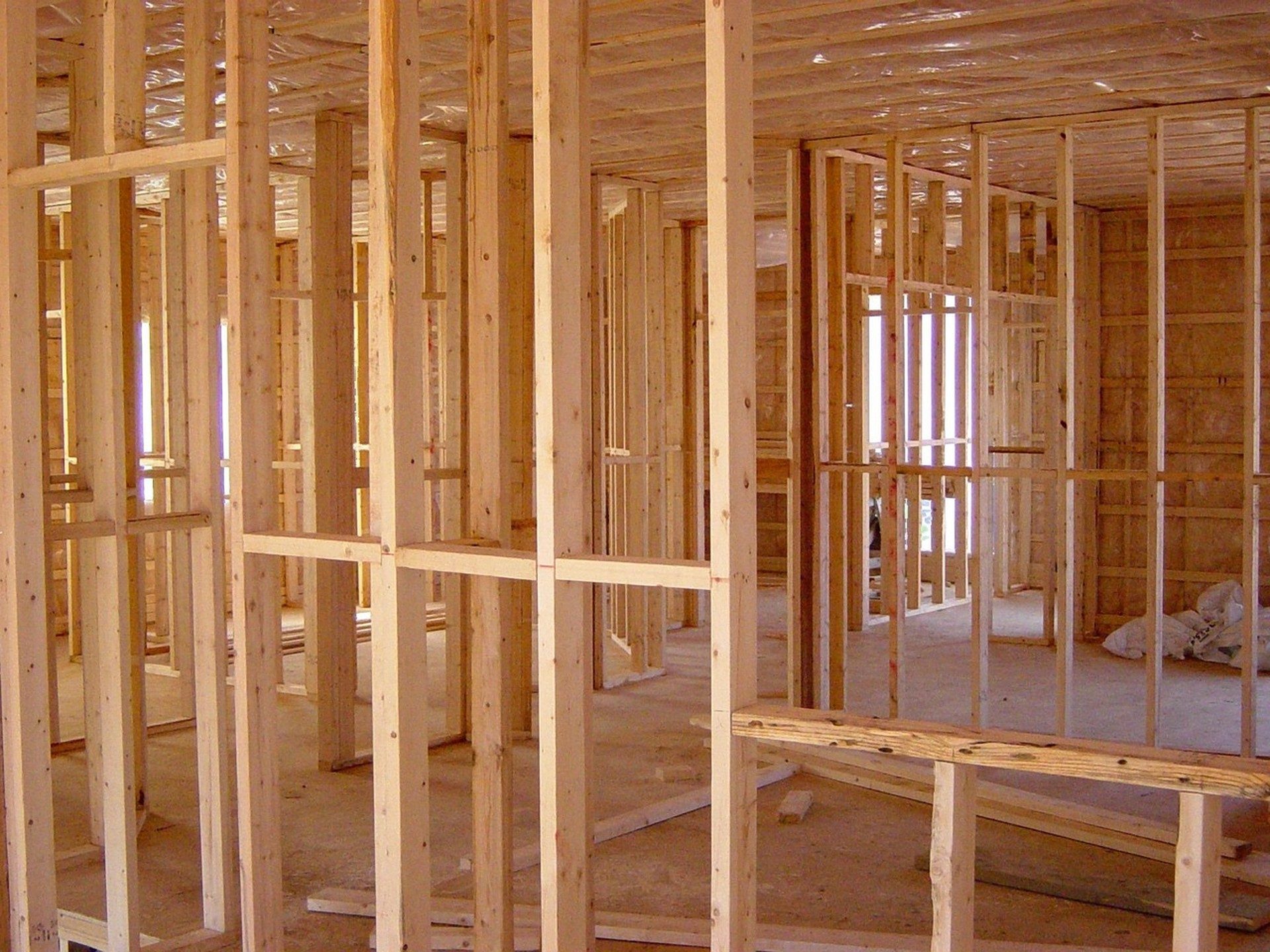
Heavy chilled-water pumps and large refrigerant tanks impose point loads far above those of standard office equipment. Structural engineers must verify slab capacity early, sometimes requiring steel reinforcement or new foundations. These upgrades add months and millions of shekels. Owners of older warehouses who hoped for simple conversion discover that water cooling systems data centers push them into full reconstruction territory. The cost delta appears in every term sheet and can tip a deal from colocation toward greenfield hyperscale construction.
Tenant improvement allowances now routinely include structural contingency lines. Landlords who pre-engineer for 1,500 kilograms per square meter load capacity market that readiness as a differentiator. Buyers of industrial assets likewise commission load-capacity surveys before closing. The Israel Central Bureau of Statistics tracks industrial construction starts; recent series already show rising square-meter costs in districts that host dense compute projects, reflecting exactly these structural premiums.
Municipal Water Rights and Recycled Streams Shape Lease Language
Israeli municipalities allocate industrial water under multi-year permits that can be revoked or curtailed during drought. A data-center operator therefore insists on clauses that assign responsibility for alternative supply if municipal allocations fall short. Some leases require the landlord to maintain dual-source contracts with private desalination or recycled-water providers. Those clauses transfer risk and raise the effective rent. Investors evaluating long-term holds must model the probability of allocation cuts using historical drought data published by national agencies.
Recycled water from nearby treatment plants offers one buffer. Yet quality standards for non-potable industrial use still demand filtration and monitoring equipment. Installation of that equipment occupies land that could otherwise generate rent. Site plans therefore trade off cooling plant footprint against future expansion bays. The trade-off is especially sharp when AI training clusters expand floor by floor; each new hall multiplies water demand. Guidance on how those clusters rewrite regional land maps appears in AI Infrastructure Demand Is Reshaping Israel's Real Estate Map.
Acoustic and Visual Buffers Around Cooling Towers Affect Neighbor Relations
Cooling towers reject heat by moving large air volumes; the fans generate continuous low-frequency sound. Israeli planning rules require acoustic modeling before permits issue. Parcels that sit downwind of residential neighborhoods face stricter decibel caps and often need taller screening walls or underground plant rooms. Those mitigations reduce usable site area and raise capital expenditure. Developers therefore prefer parcels already zoned for heavy industry with existing buffer distances.
Visual impact receives equal scrutiny. Tall plume-discharge towers can dominate skylines near scenic routes or tourist corridors. Local authorities sometimes demand architectural cladding or height reductions that lower cooling efficiency. The resulting redesign cycles delay occupancy. Owners who anticipate these demands and present pre-approved tower designs to neighbors secure smoother approvals. Documentation of such cases can be found across the Infrastructure Technology archive for readers who want comparative project timelines.
Capital Markets Price Cooling Efficiency into Asset Valuations
Banks and institutional lenders now request water-usage effectiveness metrics alongside power-usage effectiveness numbers. A facility that reuses waste heat or captures condensate for irrigation scores higher on sustainability scorecards. Those scores feed into lower interest margins or higher loan-to-value ratios. The Bank of Israel monitors commercial real-estate lending conditions; recent bulletins note that green-performance premiums have begun to appear in industrial mortgage pricing. Water cooling systems data centers that meet strict efficiency thresholds therefore refinance more cheaply.
Secondary-market buyers likewise discount assets whose cooling plant cannot scale. An older air-cooled hall that would need complete retrofit to host denser racks trades at a steeper discount than a purpose-built liquid-cooled shell. Valuation reports now include replacement-cost estimates for chillers and towers. Analysts also examine whether the cooling design supports the redundancy levels expected by hyperscale tenants; deeper discussion of those uptime expectations lives at Redundancy and Uptime Standards in Israel's Data Center Market.
Security and Dual-Use Constraints Intersect with Water Infrastructure
Certain locations near sensitive defense facilities face additional scrutiny for any water storage that could be perceived as dual-use. Large open reservoirs or elevated tanks may trigger security reviews that slow permitting. Operators respond by burying tanks or using modular skids that can be relocated. Those design choices add cost yet keep the project inside approved envelopes. National security filters for data-center siting are examined further in National Security Considerations in Israeli Data Center Site Selection.
International benchmarks help Israeli planners calibrate water intensity targets. Comparative studies from the OECD show how peer economies regulate industrial water for digital infrastructure. Israeli ministries adapt those findings to local hydrology. The Israel Ministry of Construction and Housing issues guidance notes that increasingly reference cooling-plant footprints when updating industrial zoning templates. Developers who track those notes early avoid redesign loops later.
Colocation Operators Versus Hyperscale Builders Choose Distinct Cooling Paths
Colocation providers serving multiple tenants often install modular water-side economizers that can be expanded hall by hall. Hyperscale owners design single-purpose plants sized for ultimate capacity on day one. The capital intensity differs, and so does the real-estate requirement: modular approaches favor multi-building campuses with shared water loops, while single-tenant designs favor large contiguous parcels. Both paths remain viable in Israel; a side-by-side comparison of their market strategies is available at Colocation Versus Hyperscale: Two Paths in Israel's Data Center Market.
Lease structures mirror the technical choice. Colocation leases may charge water as a pass-through utility with efficiency incentives, whereas hyperscale ground leases often place full water-rights responsibility on the tenant. Landowners must therefore decide which model matches their risk appetite. Prospective tenants and landlords seeking practical clarification can consult Foundation’s FAQ (frequently asked questions) for common contract language examples. Additional market commentary continues to appear on the Foundation Blog as new projects reach mechanical completion.
Water cooling systems data centers therefore sit at the intersection of hydrology, structural engineering, municipal law, and capital markets. Every cubic meter of coolant capacity translates into square meters of real estate that must be secured, permitted, and financed under Israeli conditions. Owners and tenants who master that translation protect both uptime and asset value over multi-decade horizons.
Related Foundation reading: Foundation New York.
Timeless Value. Perpetual Legacy.