Israel channels growing private capital into purpose-built campuses that stitch research, manufacturing, and talent into continuous geographic belts. Tech park development Israel advances most visibly where highways, universities, and fiber routes already intersect, turning isolated sites into linked innovation corridors that stretch from the Haifa industrial arc through the central plain and south toward Beersheba.
These corridors do not appear overnight. Planners and developers first identify underused land near transit nodes, then layer permits, infrastructure, and tenant incentives. The result is a chain of parks that reduce commute times for engineers while giving firms room to expand without relocating core teams. Foundation readers often ask how these projects actually take shape on the ground, and the answer lies in coordinated land assembly, utility upgrades, and patient capital rather than any single grand plan.
Connecting Startup Nodes Across Three Geographic Bands
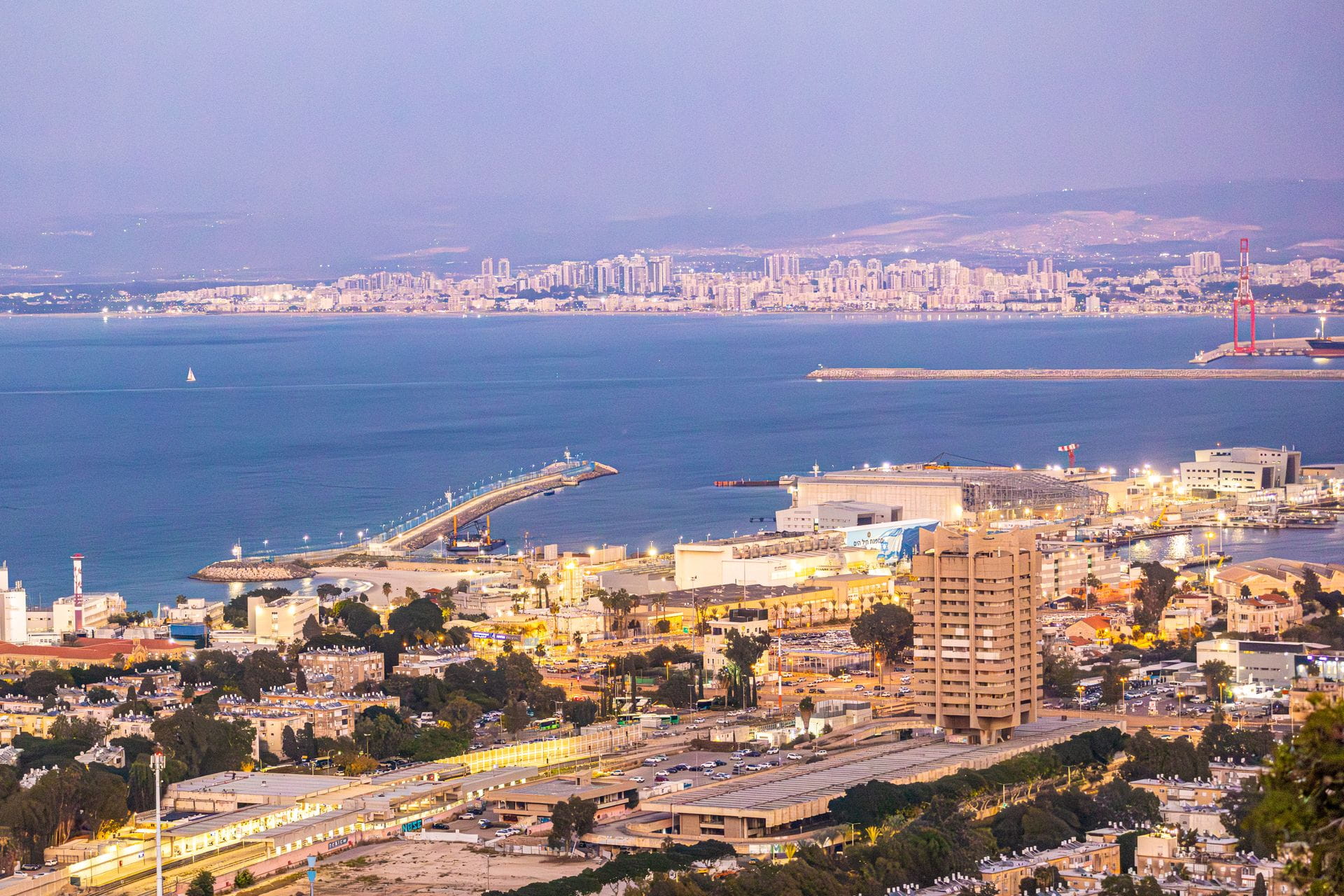
Northern parks cluster around Haifa and the Galilee, drawing hardware and maritime tech firms that benefit from port proximity and established industrial skills. The central band, densest of all, radiates outward from Tel Aviv and Herzliya, absorbing software, cybersecurity, and fintech tenants who prize quick access to investors and international airports. Southern expansion focuses on Beersheba and the western Negev, where lower land costs and government relocation grants attract larger footprints for defense-related and clean-tech companies.
Each band faces distinct constraints. Northern sites must navigate steeper topography and older industrial zoning. Central parcels command premium prices that push developers toward vertical or multi-tenant formats. Southern locations require heavier investment in water recycling and long-haul power lines before first tenants can move in. Successful corridor projects treat these bands as complementary rather than competing, routing talent and suppliers between them via improved rail and road links.
Developers who map tenant needs against these geographic realities produce parks that fill faster. A firm specializing in autonomous systems may stage early design work in the center, then shift pilot manufacturing north or south once prototypes mature. That fluidity only works when parks share comparable connectivity standards and flexible lease structures.
Academic Anchors That Draw Research Tenants
Universities and applied research institutes act as natural magnets. When a campus sits within a short drive of a major university, lab-heavy tenants gain access to graduate students, shared equipment, and collaborative grant programs. Several recent parks have deliberately reserved ground-floor spaces for university spin-offs, creating a pipeline that feeds larger corporate suites upstairs.
The same proximity also supports ongoing training. Engineers can attend evening seminars without leaving the corridor, and faculty can consult onsite. This arrangement lowers recruitment costs for tenants while giving academic partners real-world test beds. Parks that ignore the academic link often struggle to attract early-stage firms that still depend on campus networks.
One concrete outcome is the rise of dedicated research floors designed for wet labs and clean rooms. These spaces require higher floor loads, specialized ventilation, and chemical storage. Developers who build them early can later convert adjacent offices into complementary headquarters space, creating a self-reinforcing ecosystem. Readers exploring this asset type will find deeper discussion in R&D Campus Real Estate: A Growing Israeli Asset Class.
Transport Arteries Binding Distant Tech Nodes
High-speed rail extensions and dedicated bus rapid transit lines now shorten travel between northern factories and central headquarters. A developer who secures a station within walking distance of a new park gains an immediate leasing advantage. Employees value predictable commutes more than free parking, especially as younger cohorts prefer living closer to urban amenities.
Freight corridors matter equally. Semiconductor and advanced manufacturing tenants need reliable truck access for components and finished goods. Parks that integrate last-mile logistics yards reduce inventory holding costs and buffer supply shocks. For a broader view of how logistics assets underpin tech production, see Logistics Real Estate Supporting Israel's Tech Manufacturing Base.
Road upgrades alone are insufficient if digital connectivity lags. Fiber routes running parallel to highways allow remote monitoring of production equipment and seamless video collaboration across corridor campuses. Municipalities that coordinate trench work for fiber and utilities during road reconstruction cut both cost and construction time for subsequent park phases.
Energy and Water Systems Supporting Dense Campuses
High-density tech parks place unusual demand on regional utilities. Clean rooms, server halls, and continuous testing rigs require stable power and significant cooling capacity. Forward-looking developers install private substations and rooftop solar arrays that feed excess energy back into the grid during off-peak hours. Water recycling systems capture greywater for landscaping and cooling towers, an essential feature in arid southern sites.
These investments raise upfront costs yet protect tenants from future shortages and price spikes. The Israel Ministry of Construction and Housing has published guidelines encouraging such dual-use infrastructure within approved industrial zones. Parks that meet or exceed these standards often receive faster permit approvals and preferential loan terms from development banks.
Climate resilience forms another layer. Flood mapping and elevated mechanical rooms protect sensitive equipment after heavy winter rains. Redundant power feeds and on-site generation keep critical research online during grid events. Tenants increasingly score parks on these resilience metrics before signing long leases.
Financing Structures Behind Park Expansions
Most large corridors blend public land contributions with private equity and bank debt. Municipalities may dedicate plots at below-market rates in exchange for job creation targets and open-space set-asides. Private partners then raise construction capital through institutional funds that seek long-term inflation-linked yields.
Lenders scrutinize cash-flow durability. Stress scenarios now routinely test how higher interest rates or delayed tenant ramp-up would affect coverage ratios. A useful parallel appears in Debt Service Stress Tests for Mixed Use: Public Consultation Themes, where similar sensitivity work informs public hearings. Transparent modeling builds confidence among both financiers and local residents who attend planning sessions.
Foreign capital enters through joint ventures that pair international experience with local land knowledge. Currency hedging and dividend repatriation rules shape deal structure. The Bank of Israel monitors these inflows for financial-stability implications, while developers track them for competitive pricing signals.
Tenant Pre-Leasing as Risk Reducer
Anchor tenants that commit to large blocks before construction begins lower overall financing costs. Semiconductor equipment makers and artificial-intelligence platform companies frequently sign multi-year deals that cover 40 percent or more of a park’s first phase. Such commitments also guide building specifications so that floor plates, power density, and security features match actual operational needs rather than generic office assumptions.
Occupancy Patterns Revealed by National Data
Vacancy rates and absorption speeds vary sharply by corridor segment. Central parks fill rapidly but at higher rents that can deter smaller startups. Southern parks fill more slowly yet deliver longer average lease terms once occupied. The Israel Central Bureau of Statistics publishes quarterly employment and construction starts that help investors spot emerging imbalances between supply and labor availability.
Semiconductor growth exerts particular pressure on specialized space. Fabrication support facilities require vibration isolation and ultra-pure water that ordinary industrial shells cannot provide. Detailed analysis of those demands appears in Semiconductor Industry Growth and Its Real Estate Demands in Israel. Parks that anticipate these requirements capture premium rents and reduce future retrofit expense.
Artificial-intelligence training clusters create another demand wave. High-density computing halls need both massive power and rapid fiber. How that shift rearranges site selection is explored in AI Infrastructure Demand Is Reshaping Israel's Real Estate Map. Corridor parks positioned near existing transmission lines hold a structural advantage.
Policy Levers Shaping Future Corridor Growth
Tax incentives, fast-track permitting, and relocation grants remain the primary tools available to central and local governments. Programs that reward multi-year job commitments rather than short-term headcount spikes tend to produce more stable parks. International comparisons published by the IMF Israel country analysis underscore the importance of predictable regulation for sustained foreign direct investment in tech infrastructure.
Local authorities increasingly condition land release on open-access fiber conduits and shared mobility hubs. These requirements raise baseline costs yet future-proof the corridor against rapid technological change. Developers who treat policy dialogue as continuous rather than one-off consultations secure smoother later phases.
Readers seeking broader context can browse the full Infrastructure Technology archive or consult the site FAQ (frequently asked questions) for permit timelines and typical capital stacks. Ongoing commentary and case updates appear on the Foundation Blog.
Successful tech park development Israel therefore rests on three interlocking practices: aligning campus design with academic and transit anchors, engineering utilities for density and resilience, and structuring capital so that both public and private partners share long-term upside. When these elements align, corridors generate durable employment clusters that outlast any single product cycle or funding fashion.
Related Foundation reading: Foundation World Israel hub, Foundation Ukraine, and How New York Investors Are Sourcing Deals in Tel Aviv.
Timeless Value. Perpetual Legacy.