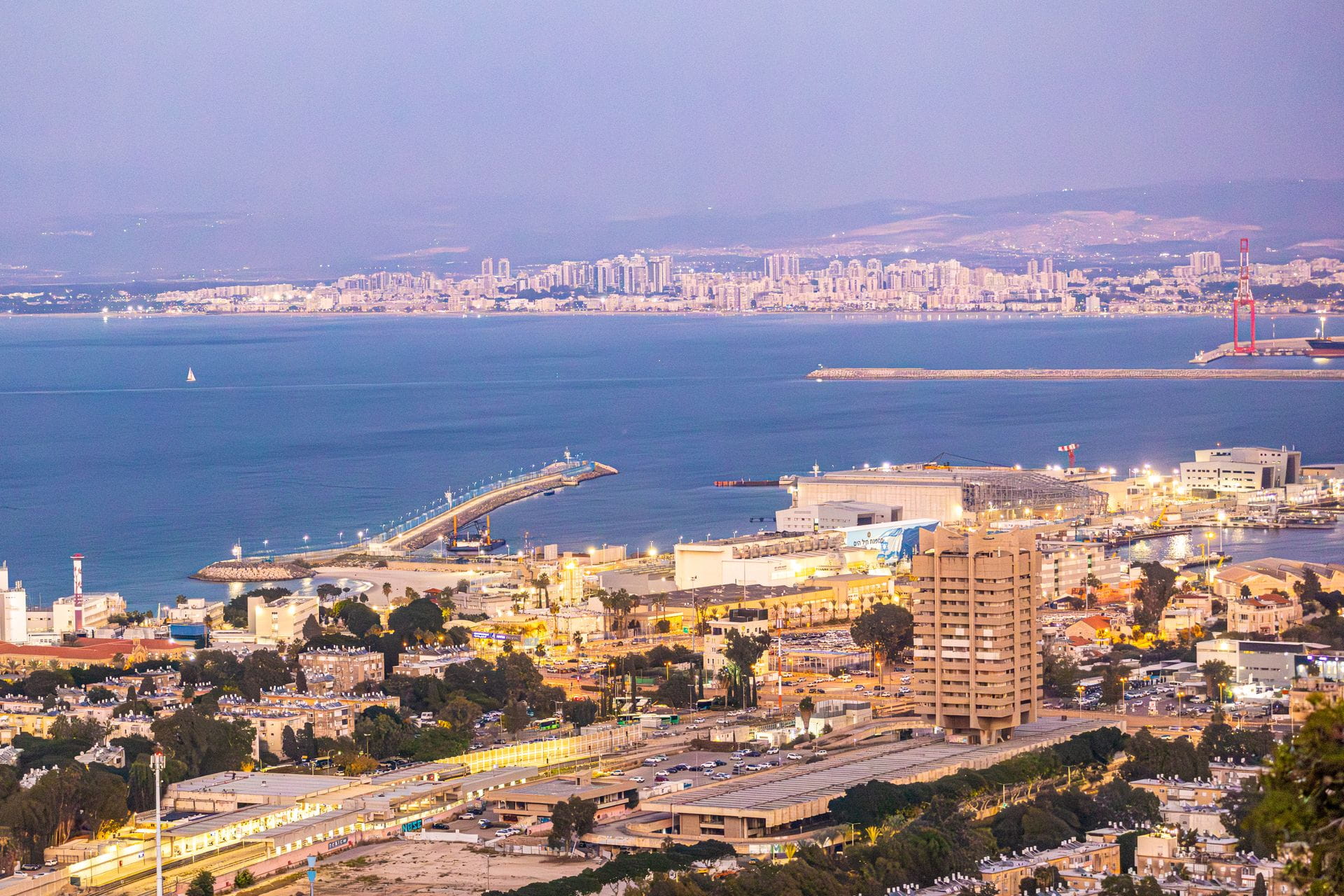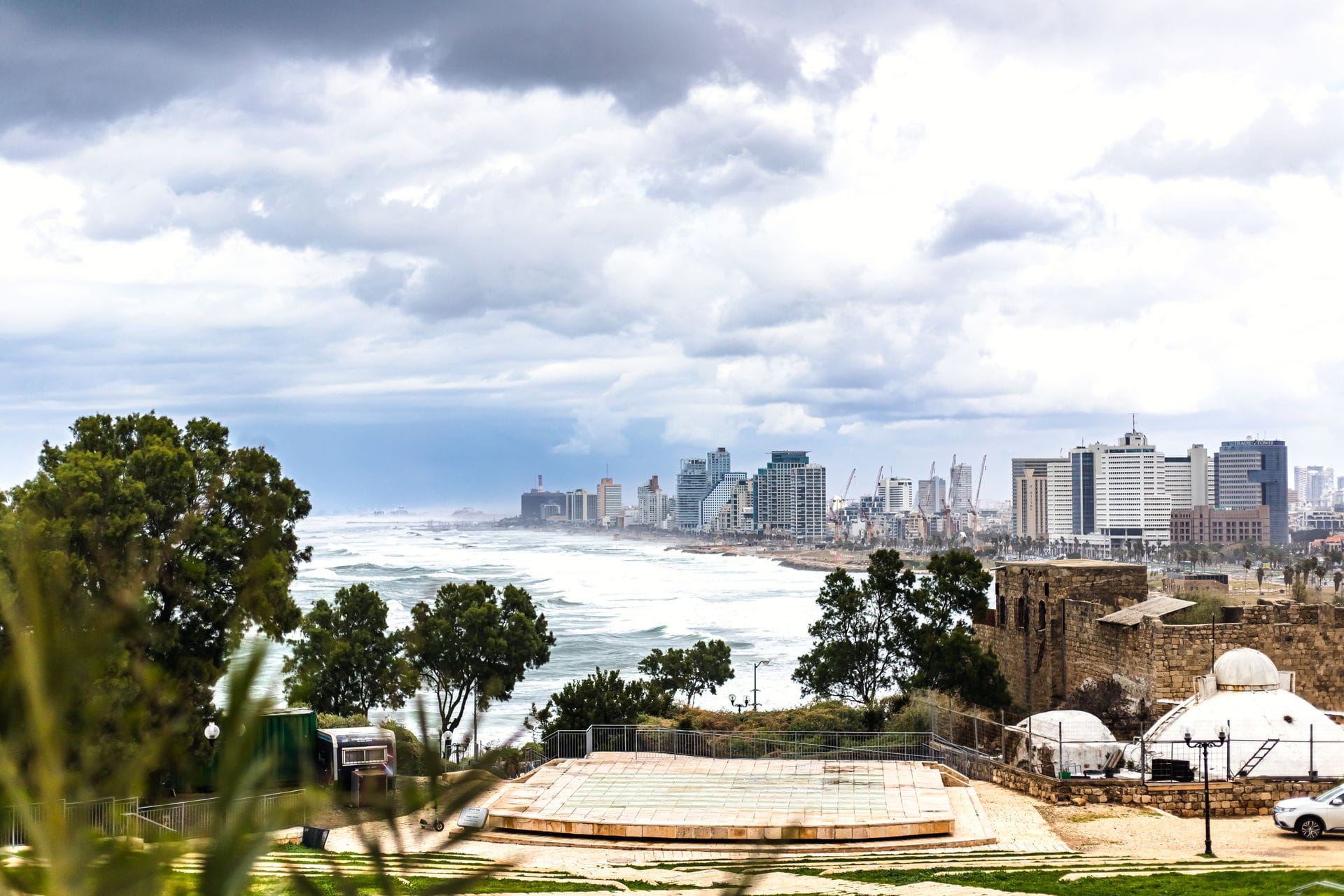
Israel sits on a narrow strip of land yet depends on long strands of glass that rest on the Mediterranean floor. Those strands form the backbone of submarine cable connectivity Israel relies on every second for cloud services, video calls, financial trades, and research exchanges. Without them, domestic fiber networks would choke within minutes. Foundation examines how these undersea systems create a structural edge that few neighboring markets can match, and why that edge now influences property choices far from the shoreline.
The Physical Paths That Carry Israel's Internet Traffic
Most packets leaving an Israeli smartphone or server first travel overland to a coastal landing station, then dive under the sea toward Cyprus, Greece, Italy, or farther hubs. Each cable system contains many fiber pairs, and each pair can carry multiple wavelengths of light. Operators upgrade capacity by lighting more wavelengths rather than laying brand new glass every time demand rises. This approach keeps unit costs falling even as traffic multiplies.
Engineers measure the health of these routes by latency, packet loss, and available spare capacity. A healthy system shows low delay to major European and American exchange points and enough idle bandwidth to absorb sudden spikes. When those metrics stay strong, local cloud providers can guarantee service levels that attract international tenants. The same metrics also shape decisions about where to place new server halls, a topic explored further in the AI Infrastructure Demand Is Reshaping Israel's Real Estate Map discussion.
Landing Points From Haifa Southward Along the Coast
Several active landing stations already exist between Haifa and the southern coastal plain. Each station is a secure building that houses power systems, optical equipment, and direct links into the national terrestrial network. Geography favors these spots: deep water close to shore, existing road access, and proximity to major population centers reduce construction risk and operating cost.
New systems often seek spare beach manholes or adjacent parcels so they can share ducts and power feeds. That clustering creates local real estate demand for highly secure, power rich sites. Developers watching the semiconductor sector already notice similar site criteria, as outlined in Semiconductor Industry Growth and Its Real Estate Demands in Israel. Both industries need reliable electricity, low latency, and controlled access, so land values near proven landing zones tend to firm over time.
Low Latency as a Business Location Advantage
Milliseconds matter for algorithmic trading desks, multiplayer gaming platforms, and real time collaboration tools. When a cable landing is only a short fiber hop from Tel Aviv or Herzliya, those milliseconds shrink compared with routes that must first traverse longer overland segments. Firms that measure performance carefully therefore treat coastal proximity as a quiet competitive factor.
The same speed advantage supports remote work and hybrid models that keep talent in secondary cities while still serving global customers. Housing markets in those cities respond to the resulting demand patterns. Readers tracking longer term residential shifts can consult Senior Housing Demand by District: Forecast Inputs the Market Uses for a different but related set of demographic drivers. Connectivity and demographics interact more than many people assume.
Building Redundancy Against Cable Cuts
Anchors, fishing gear, earthquakes, and occasional deliberate damage can sever a submarine cable. Operators therefore design networks so that traffic can reroute within seconds onto alternate systems. Israel benefits from multiple diverse paths: some exit northward, others southward or via Egypt and Jordan land bridges. Diversity of exit points reduces the chance that a single incident isolates the entire country.
Data center planners treat this diversity as a hard requirement. Sites that can reach two or more independent landing stations score higher in risk assessments. Security professionals also weigh physical protection of the cables themselves, a theme covered in depth by National Security Considerations in Israeli Data Center Site Selection. Redundancy is never free, yet the cost of isolation is far higher.
From Seabed Capacity to Inland Server Halls
Once light arrives at the beach, it still needs to travel inland to the machines that process it. That journey requires high capacity terrestrial fiber, ample electrical power, and cooling water or air. Hyperscale operators prefer large parcels with dual power feeds and room to expand. Smaller firms often choose colocation halls that already sit on the best fiber routes. The trade offs between those two models appear in Colocation Versus Hyperscale: Two Paths in Israel's Data Center Market.
Every new submarine system that lands effectively increases the addressable market for both models. More international capacity means more foreign companies willing to keep compute capacity inside Israel rather than backhauling everything to Europe. That shift raises demand for industrial land near existing power substations and fiber corridors, not only at the coast.
Official Data That Frames the Connectivity Story
Public institutions publish the numbers that let observers track progress. The Bank of Israel regularly comments on digital infrastructure as part of broader productivity analysis. Population and business establishment figures from the Israel Central Bureau of Statistics help forecast where new capacity will be absorbed. External macroeconomic context arrives through the IMF Israel country analysis, which places connectivity investment inside wider growth projections.
Readers who want a structured introduction to related forecasting methods can start with the FAQ: What Should New Readers Know About AI Forecasting for Rental Demand? piece. Those methods increasingly incorporate network latency and bandwidth availability as explanatory variables, not afterthoughts.
Looking Ahead to New Systems and Land Use
Several additional cable projects remain in planning or early construction stages. Each one promises higher design capacity and more route diversity. When they enter service, existing landing zones may need expanded buildings, stronger power supplies, and tighter security perimeters. Surrounding land that today serves light industry or open storage can convert into higher value digital infrastructure use.
Local authorities that prepare zoning and permitting frameworks in advance will capture more of that value. Investors who track the Infrastructure Technology archive already see the pattern: every major cable announcement is followed months later by site searches and land transactions inland. Foundation keeps that archive current so readers can follow the chain from seabed to skyline.
Questions that arise after reading any of these sections find answers in the general FAQ (frequently asked questions) collection. Clear connectivity is no longer a technical specialty; it is a national economic asset that quietly shapes where people live, work, and invest. Understanding its physical foundations helps non experts make better decisions about the built environment that rests on those invisible glass paths.
Readers comparing notes on Submarine Cable Connectivity and Israel s Digital in Israel should keep one dated source list and one named owner for updates so the next review of Submarine Cable Connectivity and Israel s Digital does not restart definitions. Article reference israel-096.
If two teams disagree about Submarine Cable Connectivity and Israel s Digital, write the disagreement in one paragraph with the evidence each side trusts before any money language expands around Submarine Cable Connectivity and Israel s Digital. Article reference israel-096.
A short refusal note for Submarine Cable Connectivity and Israel s Digital should say what was parked, why it was parked, and who can reopen the file on Submarine Cable Connectivity and Israel s Digital after new facts arrive in Israel. Article reference israel-096.
Related Foundation reading: Navigating Israel's Growth Corridors as a First-Time Investor.
Timeless Value. Perpetual Legacy.