Choosing land used to rest on price, zoning, and road access. Today the decisive filter for factories, logistics hubs, and digital facilities across Israel is often power grid capacity site selection, the practical question of whether enough electricity can reach a plot at the moment it is needed and stay available as operations grow.
Businesses expanding in Israel discover that available megawatts matter more than glossy marketing brochures. A parcel that looks perfect on paper can sit idle for years if the local grid cannot support new load without costly upgrades. Foundation tracks this shift because it reshapes investment returns and long term asset value.
Why Electricity Supply Now Decides Where Companies Build
Modern equipment draws far more power than older machines. Cooling systems for server halls, electric vehicle fleets, and advanced manufacturing lines all push demand upward. When a company scouts locations, the first engineering call often concerns how many megawatts the nearest substation can release without delay.
Israel’s economy continues to expand, as confirmed by recent IMF Israel country analysis, and that growth concentrates electricity use in a few corridors. Site teams therefore rank grid headroom alongside land cost. Ignoring that ranking produces delays measured in quarters, not weeks.
Institutional capital already treats power as a primary screen. Readers who want deeper context on digital facilities can review Data Center Development in Israel: What Institutional Investors Should Know for how capacity constraints influence capital allocation.
Reading Israel’s Grid Map Before You Sign a Lease
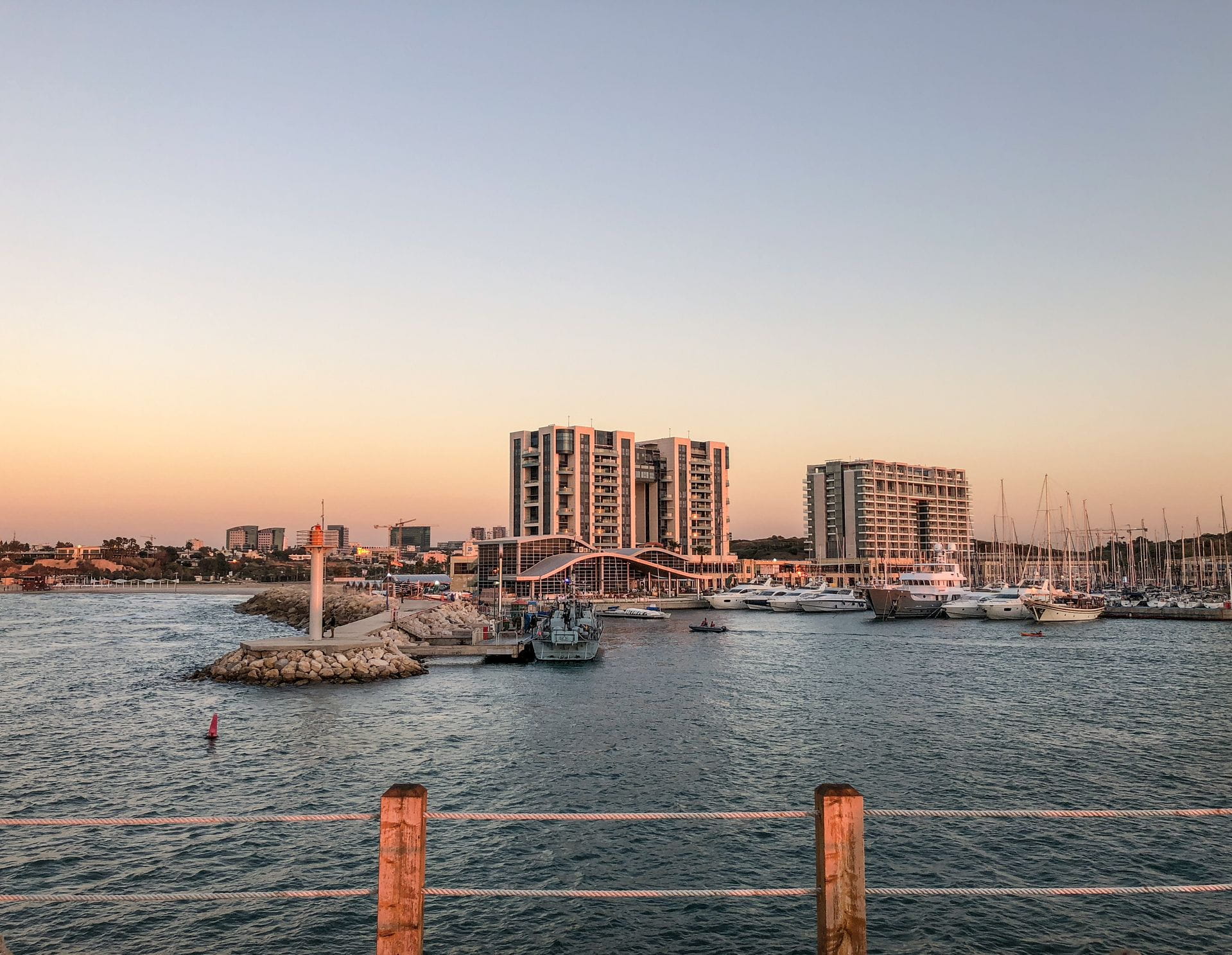
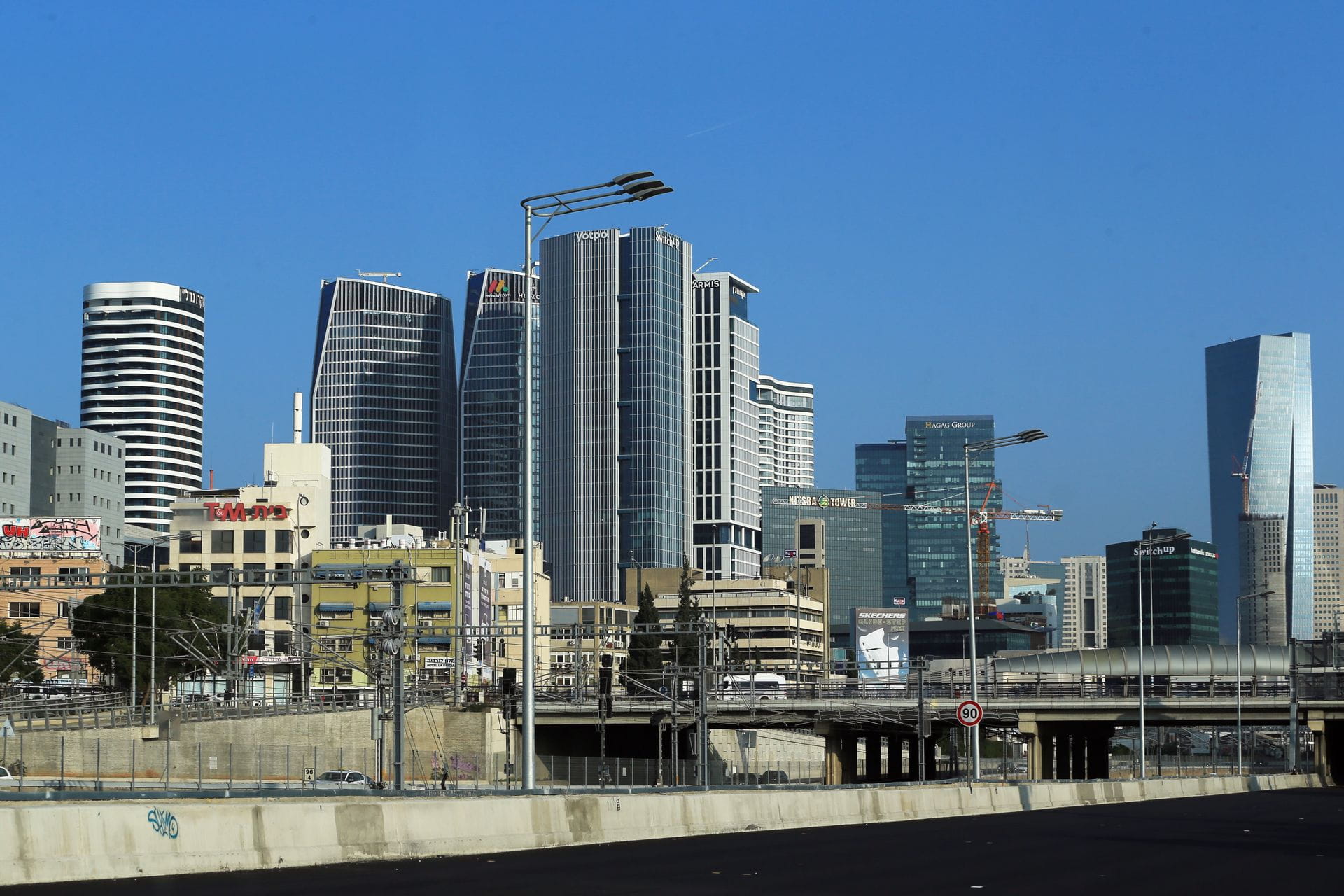
Every region carries different spare capacity. Coastal industrial parks near major cities often show tighter remaining margins because decades of growth already consumed available feeders. Inland zones and certain southern corridors sometimes offer larger open blocks of power, yet they may require new transmission lines before a tenant can flip the switch.
Utility maps and load forecasts are public enough for informed buyers to request. Smart teams ask for documented spare capacity at the specific transformer that would serve the site, not a vague regional average. That single number can make or break a transaction.
Broader market direction appears in Israel Real Estate Market 2026: The Outlook Serious Investors Need, which places power constraints inside wider property cycles. Cross checking those trends against local grid data prevents overpaying for land that later proves unusable.
How Overloaded Substations Quietly Kill Projects
A substation nearing its design limit does not always flash a warning light. Instead, utilities place new customers on multi year waiting lists or demand that applicants fund upgrades themselves. Those upgrades can exceed the value of the land, turning an attractive site into an economic non starter.
Developers who learn this late discover sunk costs in design fees and option payments. Early conversations with the electricity company, supported by formal load studies, surface the true timeline. Projects that skip this step frequently stall after construction has already begun.
The bottleneck is not theoretical. Detailed discussion of the same pressure appears in Power Availability: The Hidden Bottleneck in Israeli Data Center Development, showing how even well financed digital projects wait for electricity before they can open.
Comparing Coastal Hubs Against Inland Industrial Zones
Coastal clusters offer labor pools, ports, and dense fiber networks, yet their grids face heavy existing demand. Inland and peripheral industrial parks may present lower land prices and greater remaining capacity, though they sometimes lack the same density of supporting services.
Decision makers weigh these trade offs by modeling total cost of occupancy over ten years. A cheaper inland plot that delivers power in twelve months can outperform a premium coastal site that waits five years for a new feeder. The calculation hinges on the exact spare capacity figures rather than marketing claims.
Policy frameworks issued by the Israel Ministry of Construction and Housing encourage balanced regional development, yet market participants still must verify physical grid readiness on the ground. Connectivity also factors into the comparison; fiber and power often travel together, a point explored in Connectivity Infrastructure Is Becoming a Real Estate Differentiator in Israel.
Renewable Growth and What It Means for Reliable Power
Solar fields and other renewable sources add generation, yet they introduce variability. A site that relies heavily on intermittent supply needs either storage or firm backup from the conventional grid. Buyers therefore examine not only nameplate capacity but also the stability of supply during peak summer hours.
Grid operators plan new interconnections and storage projects to smooth that variability. Until those projects finish, some locations remain more reliable than others. Companies that require continuous uptime, such as pharmaceutical plants or high density computing, prioritize substations with strong conventional feeders even if renewable certificates look attractive on paper.
International benchmarks from the OECD show similar tensions across advanced economies. Israel’s experience mirrors those patterns while remaining unique in its geography and demand concentration. Foundation readers following technology themes will find related pieces throughout the Infrastructure Technology archive.
Working With Utilities Early in the Land Hunt
Successful site selection teams treat the utility as a partner from the first shortlist. They submit preliminary load estimates, request written capacity statements, and negotiate upgrade cost sharing before purchase agreements become binding. That sequence turns power risk into a known number rather than a late surprise.
Legal teams also review easement rights for new lines or transformers. Without clear rights of way, even a funded upgrade can face years of negotiation with neighboring owners. Early due diligence reduces that friction.
Monetary conditions set by the Bank of Israel influence financing terms for such upgrades. Rising or falling rates change the economics of pre funding grid work, so treasury and real estate teams coordinate closely. Additional practical answers sit in the Foundation FAQ (frequently asked questions) for common investor queries.
Future Proofing Locations as Demand Keeps Climbing
Artificial intelligence clusters and expanded manufacturing will keep lifting electricity needs. A site that barely meets today’s load may fail tomorrow. Forward looking buyers therefore seek locations with documented expansion paths, such as spare transformer pads or reserved corridor rights for additional cables.
Master plans that already allocate land for new substations offer extra security. Municipalities that publish multi year grid investment schedules give investors clearer visibility. Choosing those jurisdictions can protect value even if immediate capacity looks similar to competing towns.
Demand from advanced computing is already redrawing preferred corridors, as outlined in AI Infrastructure Demand Is Reshaping Israel's Real Estate Map. Site selectors who ignore that map risk buying into saturated pockets. Regular updates appear on the Foundation Blog so readers can track new capacity announcements and regulatory shifts.
Power grid capacity site selection has moved from a technical afterthought to a core real estate skill. Teams that master the language of megawatts, feeder maps, and upgrade timelines secure locations that actually function. Those who treat electricity as someone else’s problem discover empty buildings and eroded returns. Foundation will continue examining how infrastructure realities shape durable investment outcomes across Israel.
Readers comparing notes on Power Grid Capacity and Its Growing Role in Site Selection in Israel should keep one dated source list and one named owner for updates so the next review of Power Grid Capacity and Its Growing Role in Site Selection does not restart definitions. Article reference israel-073.
Related Foundation reading: Foundation World Israel hub.
Timeless Value. Perpetual Legacy.