Israel’s map of industrial land holds a quiet but stubborn niche: buildings and campuses shaped by the country’s defense technology makers. These sites must protect secrets, host heavy sensors, and still connect to global markets. Ordinary offices cannot serve that mix, so a specialized form of defense-tech real estate Israel has grown its own rules, locations, and price signals.
Fortress Style Offices for Missile Defense Teams
Walk past the outer fence of a typical missile-defense campus and the first clue is thickness. Walls carry extra rebar, windows sit behind laminated layers, and server rooms sit below grade. Tenants need rooms that can keep working during power cuts or rocket alerts. Rents reflect that cost: a square meter of hardened floor can trade at a premium of 30 to 40 percent over a standard high-tech loft in the same region. Investors who ignore the hardening premium usually mis-price the cash flows. Foundation readers who track national accounts will notice that the IMF Israel country analysis repeatedly flags defense exports as a stabilizer of the current account; those exports need physical homes that match the security rating of the product.
Design teams also plan for electromagnetic shielding. Copper mesh and ferrite tiles raise both construction bills and operating costs, yet they keep classified code from leaking into the open air. A buyer who underestimates these layers will face retrofit bills later. The same logic appears in contracts with the Bank of Israel, which monitors capital flows into sensitive assets and expects clear separation between dual-listed companies and pure defense contractors.
Why Defense Firms Prefer Isolated Hills Over City Centers
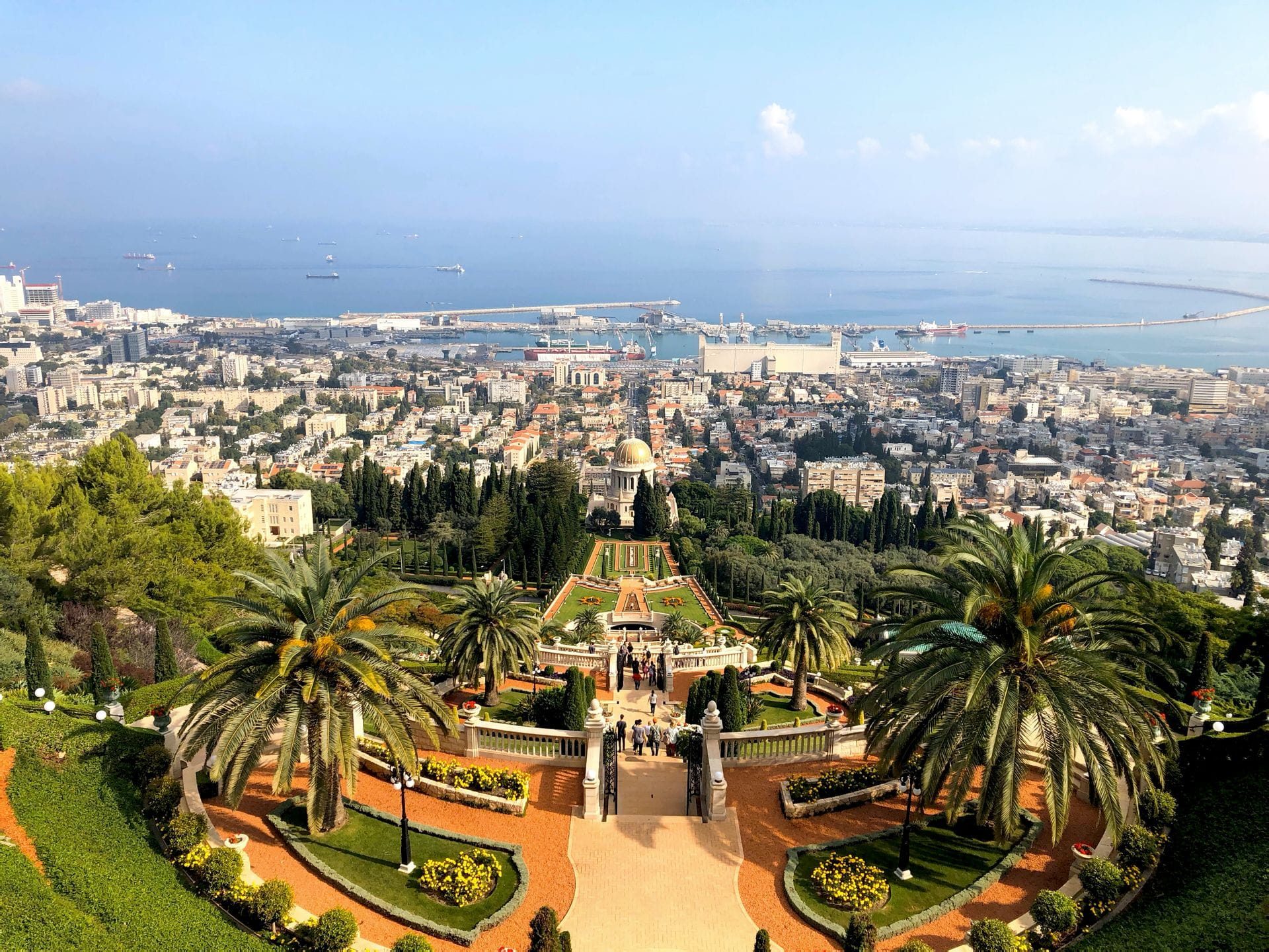
Elevation and distance still matter. Many sensor ranges and radar test pads sit on ridge lines east of Haifa or in the northern Negev so that line-of-sight paths stay clear. City-center towers offer fiber and talent, yet they bring pedestrian traffic and camera phones that create security headaches. Land prices on these hills remain lower per square meter than Tel Aviv towers, but the total project cost rises once access roads, secure gates, and redundant power lines are added. Planners at the Israel Ministry of Construction and Housing therefore treat defense-tech parcels under a different zoning track than ordinary industrial lots.
Isolation also shortens the path between lab and live-fire range. Engineers can walk a prototype antenna to a nearby slope, fire a short test pulse, and return the same afternoon. That speed compresses product cycles and supports the export edge that the OECD cites when ranking Israel’s advanced manufacturing performance. Residential neighborhoods nearby stay thin, which reduces noise complaints and night-time security incidents.
Concrete Specs That Meet Military Hardening Rules
Standard Israeli building code already requires earthquake resistance. Defense-tech shells go further: roof slabs may need to stop fragments, and columns must survive a nearby blast. Concrete mixes include steel fiber or polymer additives that raise compressive strength without adding thickness that would eat floor area. These choices push structural engineering fees higher and lengthen the permit timeline. Yet once the shell is certified, the same floor plate can host successive generations of radar or electro-optic systems without major rebuilds.
Power and cooling follow the same logic. A typical data hall for civilian AI may run at 10, 15 kilowatts per rack; a defense simulation suite can exceed 30 kilowatts because the models run continuous Monte-Carlo war-game scenarios. Backup generators sit in blast-rated rooms with their own fuel tanks. Water-cooled chillers often draw from on-site wells rather than municipal lines so that external pressure drops cannot force a shutdown. Readers curious about wider infrastructure shifts can explore the AI Infrastructure Demand Is Reshaping Israel's Real Estate Map piece for parallel pressure on grid capacity.
Rail Links Connecting Production Floors to Export Ports
Finished defense systems rarely fly out of Ben Gurion as passenger luggage. They ride sealed containers on dedicated rail spurs that link factories to Haifa or Ashdod. A campus without a short spur or a private truck marshalling yard faces higher logistics risk and higher insurance premiums. Site selectors therefore score parcels by minutes of secure road or rail to the nearest deep-water berth. That metric has kept certain low-density corridors north of Beersheba attractive even when pure software firms migrate toward central Tel Aviv.
Port adjacency also shapes warehouse layout. Loading docks sit behind two fences and a vehicle trap so that inspectors from foreign governments can clear shipments without entering the classified core. Some operators lease adjacent cold-storage space for temperature-sensitive composites used in missile airframes. Those secondary sheds trade at lower rents yet still benefit from the security perimeter already paid for by the main tenant. Broader policy context appears in the Government Housing Policy and Its Impact on Supply overview, which notes how industrial land allocation competes with residential targets.
Budget Cycles That Drive Lease Renewals in This Sector
Defense budgets move on multi-year cycles set by the Knesset and by export contracts. When a large multi-year deal lands, a firm may suddenly need an extra 8 000 square meters of integration hall within nine months. Landlords who hold vacant shell space can capture that surge at premium rates. Conversely, a quiet year after a major platform delivery can leave half a building empty until the next R&D wave. Lenders therefore stress-test debt service coverage under both boom and lull scenarios rather than a single linear growth path.
Lease clauses often include early-termination rights if a security classification is revoked, an event rare but costly. Landlords price that option into the rent or demand larger security deposits. For an overview of related technology parks that face similar cycle risk, see the discussion of Cyber Park Development in Israel's Technology Real Estate Landscape. Foundation’s own Infrastructure Technology archive collects further cases on how capital markets treat these specialized assets.
Talent Pipelines From Technion Into Nearby Secure Campuses
Engineers who leave the Israel Defense Forces or graduate from the Technion already hold clearances that civilian firms must spend months to obtain. Campuses located within a 30-minute drive of those talent pools therefore enjoy lower recruiting friction. Site teams measure not only distance but also bus routes that avoid high-security choke points during morning rush. Proximity to Universities as a Site Selection Factor for Tech Real Estate remains a living filter even when the product is classified hardware rather than consumer apps.
Once hired, staff need secure parking, day-care facilities outside the fence, and fast broadband for remote work on unclassified modules. That last point links defense campuses to the country’s international data routes. Operators often route fiber through the same corridors that serve Undersea Cable Landing Stations and Israel's Digital Gateway Position, ensuring that non-secret collaboration with overseas partners stays low-latency. Common questions about lease structures and security audits appear in the Foundation FAQ (frequently asked questions), while longer case notes sit on the Blog.
Defense-tech real estate Israel therefore sits at the intersection of military specification, export logistics, and talent geography. It is not interchangeable with ordinary tech parks, nor is it pure industrial warehousing. Owners who master the hardening codes, the budget rhythms, and the clearance culture hold an asset class whose vacancy rates stay low even when broader markets soften. For investors, developers, and policy readers alike, the niche rewards patient capital and detailed knowledge of how physical walls protect digital and kinetic systems alike.
Related Foundation reading: Foundation World Israel hub.
Timeless Value. Perpetual Legacy.