Israel’s cities keep adding mid rise housing, typically five to twelve stories, because land is scarce and demand stays high. Construction automation sits at the center of that pressure. For new readers the phrase means software, sensors, and machines that plan, assemble, and inspect buildings with less manual guesswork. This explainer walks through the practical pieces that matter on Israeli sites today.
Why Mid Rise Blocks Drive the Conversation
Mid rise housing fills the gap between single family homes and glass towers. In the coastal plain and inland corridors these buildings deliver density without the extreme engineering of skyscrapers. Automation tools scale well here: the floor plates repeat, the structural systems stay relatively simple, and the same digital model can guide many identical floors. Readers who track national numbers will notice that housing completions still lag household formation, a gap the Israel Central Bureau of Statistics documents in its quarterly building surveys. When every additional unit counts, faster and more reliable construction methods become national priorities rather than niche experiments.
Robots and Prefabrication on Israeli Job Sites
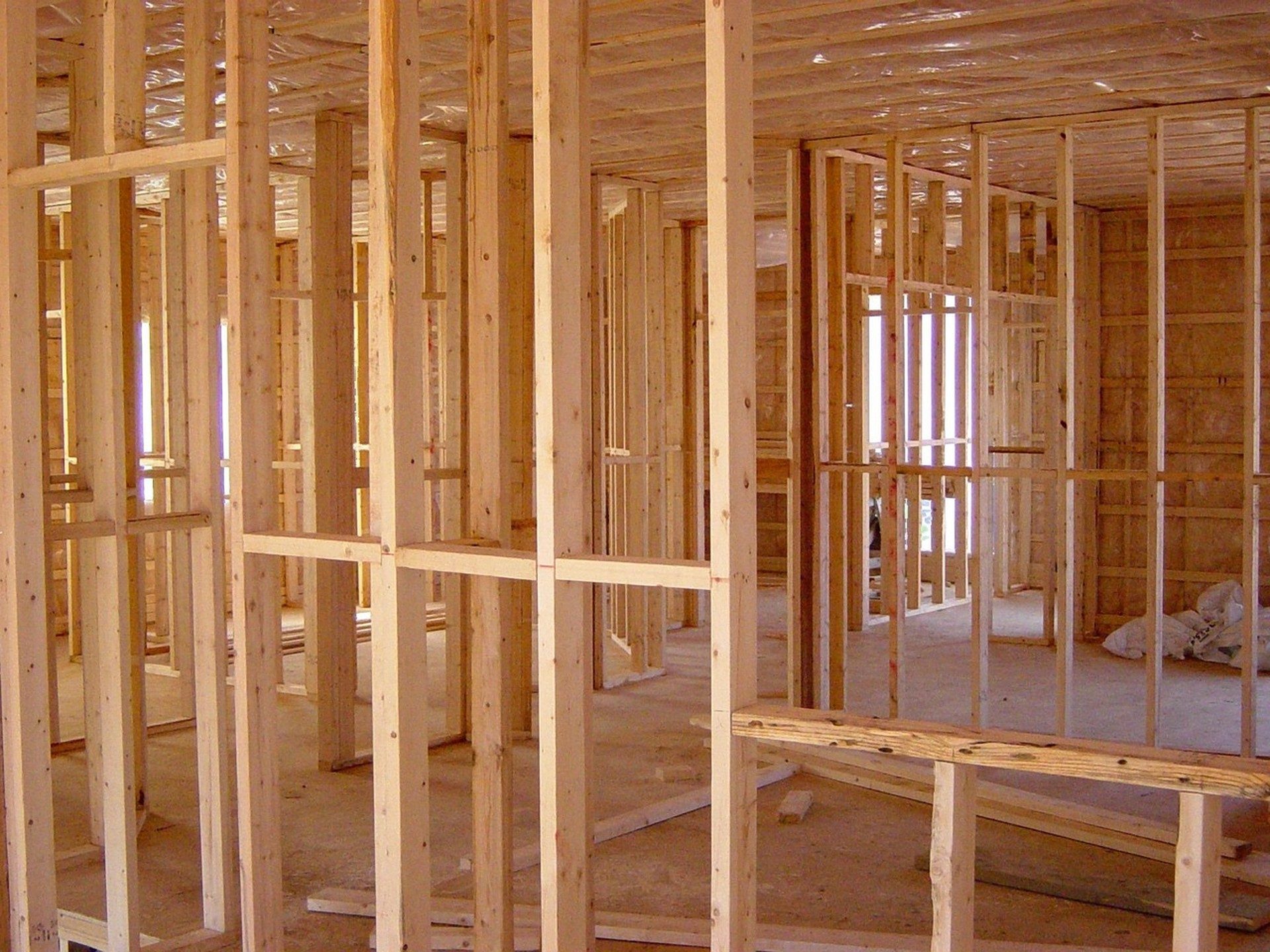
Walk onto an automated mid rise site and you may see a robotic bricklayer laying blocks at a steady pace or a gantry crane placing precast wall panels that arrived already fitted with windows and insulation. These machines do not replace every worker; they take over the most repetitive, heavy, or hazardous tasks. Prefabricated bathroom pods and façade cassettes leave the factory with precise dimensions, so on site crews mainly connect utilities and seal joints. The result is fewer weather delays and tighter quality control. Israeli firms have adapted European and Asian systems to local seismic codes and Mediterranean climate needs, producing walls that handle both heat and occasional earthquakes.
Digital Twins That Guide Every Floor
Before any concrete pours, a complete three dimensional model of the building already exists. That digital twin contains every beam, pipe, and electrical run. Sensors on equipment and workers feed real time progress back into the model so managers can spot clashes early. When a plumber discovers a duct in the wrong place, the software flags the conflict and suggests a fix before the slab is cast. This level of coordination is what turns israel it construction automation housing explainer conversations from theory into daily practice. Project teams also link the twin to material delivery schedules, cutting storage space on crowded urban lots.
Sensor Networks on the Scaffold
Simple wireless sensors track temperature, humidity, and vibration inside freshly poured concrete. Data flows to the cloud and alerts supervisors if curing conditions drift outside safe ranges. The same network can monitor crane loads and worker location badges for safety compliance. None of this requires exotic hardware; many components are already common in industrial plants.
Labor Realities and Skill Shifts
Israel faces well known construction labor shortages, especially for skilled trades. Automation does not eliminate jobs overnight; it changes which skills are scarce. Operators who can program a robotic arm or interpret model clash reports become more valuable than pure manual laborers. Training centers have begun adding modules on digital tools so younger workers enter sites ready for hybrid roles. Older crews often mentor the new specialists, blending experience with fresh technical fluency. The net effect is higher productivity per person rather than wholesale replacement.
Money Signals From Central Institutions
Developers watch interest rates and credit conditions closely. Policy statements from the Bank of Israel influence mortgage demand and therefore the pace of new housing starts. When financing costs rise, projects that finish faster become more attractive because they free capital sooner. Automation shortens the build cycle by weeks or months on mid rise schemes, improving cash flow even if the upfront equipment lease looks expensive. International comparisons published in the IMF Israel country analysis place the country’s housing market among those where supply constraints amplify price volatility, reinforcing the case for productivity gains on every site.
How Permits and Data Standards Fit Together
Automation thrives when digital files move smoothly between private teams and public offices. Cities that accept electronic drawings and progress reports let contractors keep momentum. Readers exploring municipal processes can consult the overview in E Permit Platforms for Municipal Planning: A Beginner's Institutional Guide. Clean data also supports investors who own portfolios of mid rise assets. Standardized formats for occupancy, energy use, and maintenance records appear in PropTech Data Standards for REIT Reporting: Key Terms and Concepts, giving asset managers comparable metrics across buildings. When both permit flows and reporting languages align, automation data becomes an asset rather than an extra burden.
Connections Across Related Infrastructure Themes
Housing automation does not sit in isolation. Growing power demand from data centers is already shifting land values and construction priorities, a pattern examined in AI Infrastructure Demand Is Reshaping Israel's Real Estate Map. Water efficiency inside multi unit buildings shares technical roots with systems covered by Water Reuse Systems in Hospitality Assets: A Journalist's Primer. Even tourism related mobility projects generate data layers that city planners can reuse for residential traffic studies; the stakeholder map in Tourism Mobility Data Infrastructure: Who the Main Stakeholders Are shows how those layers form. For a wider view of urban asset strategies, the Jerusalem case study Hospitality Repositioning in Jerusalem: What New Readers Should Know illustrates how repositioning older stock can free land for new mid rise supply. Browse the full Infrastructure Technology archive for additional technical primers, and check the FAQ (frequently asked questions) for concise answers to common terminology questions.
Risks Readers Should Weigh Honestly
Not every site suits full automation. Tight urban plots may lack room for large prefabrication cranes. Complex architectural designs with many unique corners reduce the repetition that robots exploit best. Cybersecurity becomes a new concern once models and sensors sit online; a compromised digital twin could delay an entire floor schedule. Small contractors sometimes struggle with the capital needed for equipment leases, creating a temporary gap between large and small players. Transparent discussion of these limits keeps expectations realistic and focuses investment where the returns appear clearest.
What Success Looks Like on the Ground
Successful mid rise automation projects in Israel finish with fewer change orders, tighter schedules, and measurable safety improvements. Residents move into apartments whose walls align properly and whose windows seal against wind driven rain. Municipal inspectors receive digital records that match the physical building, simplifying final approvals. Over time the same data set supports predictive maintenance, reducing long term operating costs for owners. Those outcomes, not the presence of any single robot, define whether the technology has delivered value.
Readers comparing notes on Construction Automation for Mid Rise Housing What New in Israel should keep one dated source list and one named owner for updates so the next review of Construction Automation for Mid Rise Housing What New does not restart definitions. Article reference israel-231.
If two teams disagree about Construction Automation for Mid Rise Housing What New, write the disagreement in one paragraph with the evidence each side trusts before any money language expands around Construction Automation for Mid Rise Housing What New. Article reference israel-231.
A short refusal note for Construction Automation for Mid Rise Housing What New should say what was parked, why it was parked, and who can reopen the file on Construction Automation for Mid Rise Housing What New after new facts arrive in Israel. Article reference israel-231.
Timeless Value. Perpetual Legacy.