Hospitality assets in Israel face a simple arithmetic problem: guests expect green lawns, full laundry service, and spa facilities while the country itself ranks among the world’s most water stressed places. Water reuse systems turn that pressure into a practical engineering response. This piece serves as a journalist’s primer on how those systems work inside hotels, resorts, and guesthouses, what numbers matter, and how the story connects to larger Israeli real estate and infrastructure trends.
What “Reuse” Actually Means Inside a Hotel Laundry or Spa
Water reuse in hospitality almost always starts with greywater, the relatively clean stream that leaves sinks, showers, and laundry machines. Blackwater from toilets is rarely recycled on site because treatment costs and public health rules become far stricter. A typical mid size hotel can collect several dozen cubic meters of greywater daily. After filtration, biological treatment, and disinfection, that volume returns for toilet flushing, irrigation of ornamental gardens, or cooling tower make up water.
Operators rarely chase 100 percent closed loop recycling. Instead they target the easiest 30 to 50 percent of total demand. Laundry rooms offer the highest volume and most consistent quality. Spa facilities add a second, somewhat dirtier stream that needs extra membrane filtration. Guest room showers contribute a large but intermittent flow that must be buffered in holding tanks overnight.
The engineering goal is not purity equal to drinking water. It is fitness for the intended secondary use. That distinction keeps capital costs manageable and lets properties claim measurable savings without promising miracles.
Israeli Climate Pressures Driving Hospitality Operators Toward Closed Loops
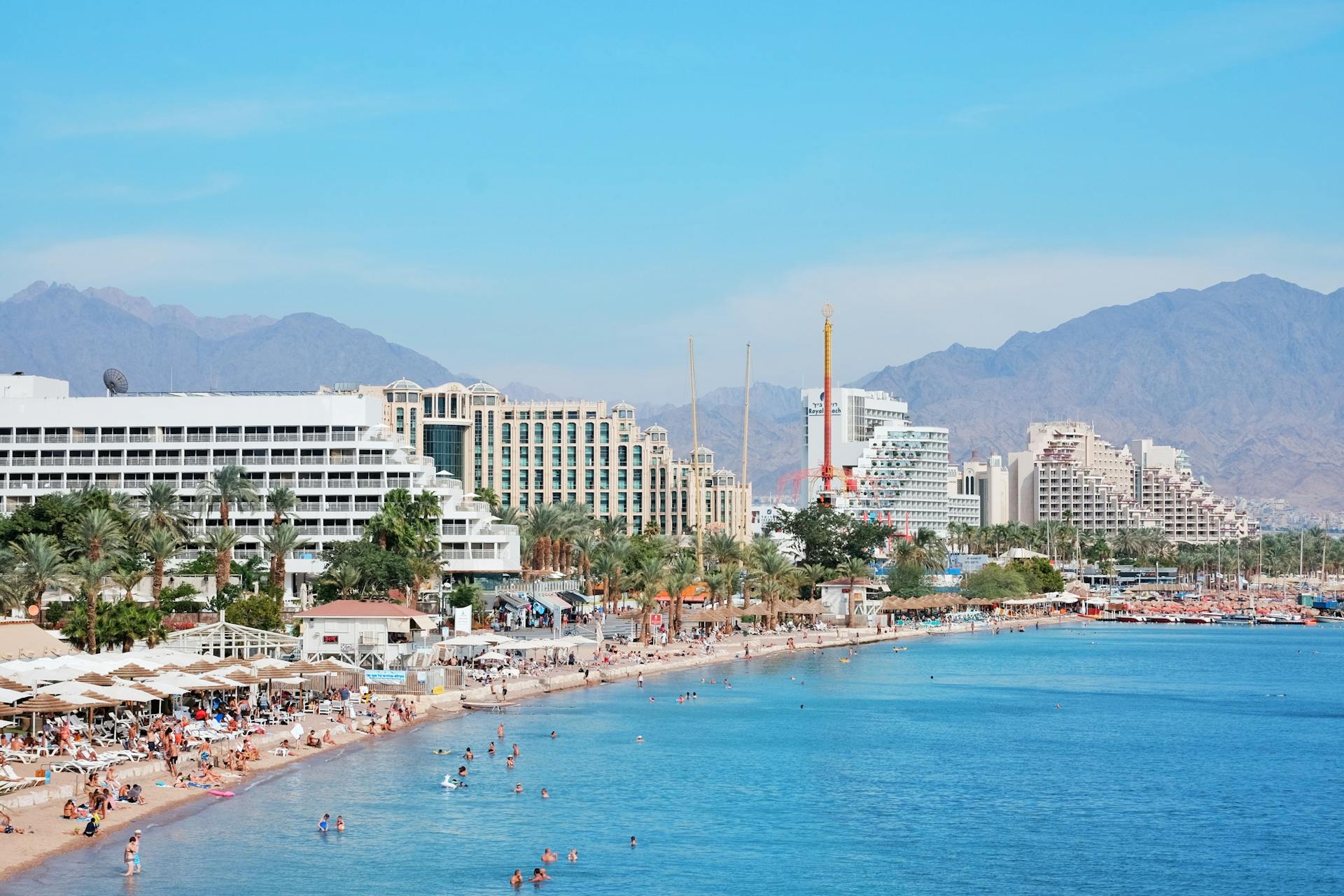
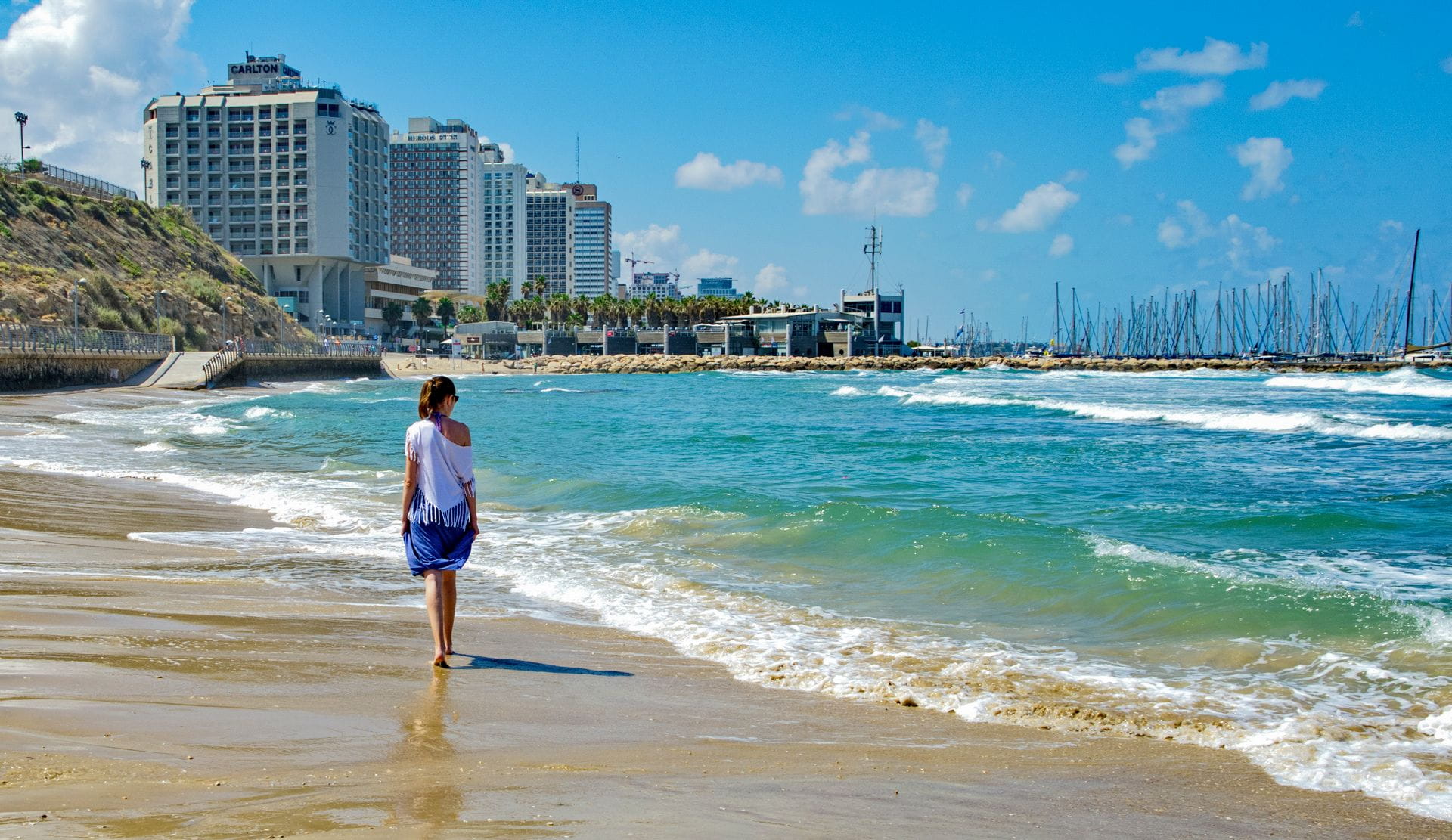
Israel receives limited natural rainfall and relies heavily on desalination and long distance conveyance. Tourism properties sit at the intersection of high water use and high public visibility. Beach hotels along the Mediterranean and desert resorts near the Dead Sea both face municipal pressure to cut potable demand. National statistics compiled by the Israel Central Bureau of Statistics show tourism related water withdrawals remaining elevated even during drought years, which keeps the topic on local news desks.
Climate models used by the OECD flag the eastern Mediterranean as a hotspot for further aridification. Hotel owners therefore treat water reuse less as a green marketing flourish and more as a hedge against rising municipal tariffs and possible future allocation caps. A well designed system can shave 20 to 40 percent off a property’s potable water bill, enough to move the needle on net operating income.
Hardware Layers From Collection Points to Treatment Skids
Collection begins with dual plumbing. Greywater pipes run separately from blackwater lines, usually color coded and clearly labeled. Holding tanks sized for one to two days of peak occupancy sit below the main building or in a mechanical courtyard. From there the water passes through coarse screens, then into a bioreactor that uses bacteria to break down organic matter. Membrane bioreactors have become common because they produce clearer effluent in a smaller footprint, important on dense urban lots in Tel Aviv or Eilat.
Disinfection usually relies on ultraviolet light or low dose chlorine. Sensors monitor turbidity, residual chlorine, and bacterial indicators in real time. If any parameter drifts outside the permit window, the system automatically diverts the flow to the municipal sewer rather than risk a violation. Treated water then enters a clean holding tank and is pumped to toilets, irrigation controllers, or cooling towers on demand.
Energy use for pumping and aeration is modest compared with desalination, yet it is not free. Properties that already install rooftop solar or efficient chillers can offset part of that load, creating a natural pairing with other efficiency upgrades.
Regulatory Touchpoints Journalists Must Verify Before Filing
Israel’s Ministry of Health sets quality standards for non potable reuse. Local planning committees and the Israel Ministry of Construction and Housing review the plumbing drawings and tank locations during building permit stages. Any system that discharges even treated water off site also needs a permit from the water authority. Journalists covering a new installation should request the permit numbers and the most recent laboratory results rather than relying solely on the owner’s press release.
Older heritage hotels face extra scrutiny because dual plumbing may require invasive wall work. In those cases operators often start with laundry only loops that keep construction disruption limited to the basement mechanical rooms. The same caution appears when properties sit above sensitive aquifers or near protected coastal dunes.
Financial Signals Tied to Water Savings in Israeli Real Estate Portfolios
Capital cost for a complete greywater plant in a 200 room hotel typically ranges from several hundred thousand to over a million shekels, depending on tank volume and membrane quality. Payback periods of five to eight years are common once municipal water rates and sewage surcharges are included. Larger groups sometimes finance the equipment through energy service companies that take a share of the measured savings, reducing the upfront cash outlay.
Portfolio managers view these systems as one more tool inside broader Capital Recycling Strategies for Long-Term Israeli Real Estate Portfolios. Freed cash flow from lower utility bills can be redirected into guest room renovations or additional rooms, lengthening the economic life of the asset. The IMF Israel country analysis repeatedly notes infrastructure resilience as a factor supporting tourism sector stability, giving the numbers a macroeconomic context that editors appreciate.
Cross Links With Smart Metering and Energy Retrofits
Water reuse hardware generates continuous flow and quality data. Properties that already deploy advanced meters for electricity or gas can fold water sensors into the same platform. That integration appears in student housing and other multi unit assets, as explained in Smart Metering for Student Housing Campuses: How the Market Actually Works. The same digital backbone lets operators set alarms for membrane fouling or pump failures before guests notice low pressure.
Energy efficiency work on older buildings often opens walls and ceilings, creating a perfect window to add dual plumbing. Readers interested in that overlap should review Energy Efficiency Retrofits for Heritage Sites: Explained in Plain Language. Data centers and AI related power demand also reshape land values and infrastructure priorities, a shift covered in AI Infrastructure Demand Is Reshaping Israel's Real Estate Map. Water reuse is one more layer in that evolving map.
Story Angles From Beach Resorts to Urban Boutique Properties
Coastal hotels can pair greywater irrigation with salt tolerant landscaping, reducing both potable demand and fertilizer runoff into the sea. Desert properties near the Dead Sea often use treated water for cooling tower make up because evaporative losses are extreme. Urban boutique hotels in Jerusalem face tighter lots and stricter heritage rules, so many begin with laundry only systems and expand later. Coverage of those Jerusalem moves pairs naturally with Hospitality Repositioning in Jerusalem: What New Readers Should Know.
Guest facing communication matters. Properties that post clear signs explaining that toilets and gardens run on recycled water usually see higher acceptance rates than those that stay silent. Journalists can ask for occupancy data before and after the system went live to test whether marketing claims match reality.
Common reporting errors include treating every cubic meter of recycled water as a perfect substitute for potable water, ignoring the energy cost of treatment, or failing to distinguish between greywater and full sewage recycling. Checking the actual permit and the latest lab report eliminates most of those mistakes.
Where Foundation Coverage and Official Data Fit the Picture
Writers who need deeper technical background will find additional explainers inside the Infrastructure Technology archive. Practical questions from operators and owners often surface in the site’s FAQ (frequently asked questions), while shorter updates appear regularly on the Blog. Together these resources help keep israel it water reuse hospitality primer coverage accurate without requiring every reporter to become a process engineer.
Water reuse will not solve Israel’s entire water balance, yet inside hospitality assets it delivers reliable savings, clearer public messaging, and a measurable contribution to portfolio resilience. The systems themselves are mature, the regulations are published, and the financial case is now transparent enough for any careful journalist to follow.
Related Foundation reading: Foundation Ukraine.
Timeless Value. Perpetual Legacy.