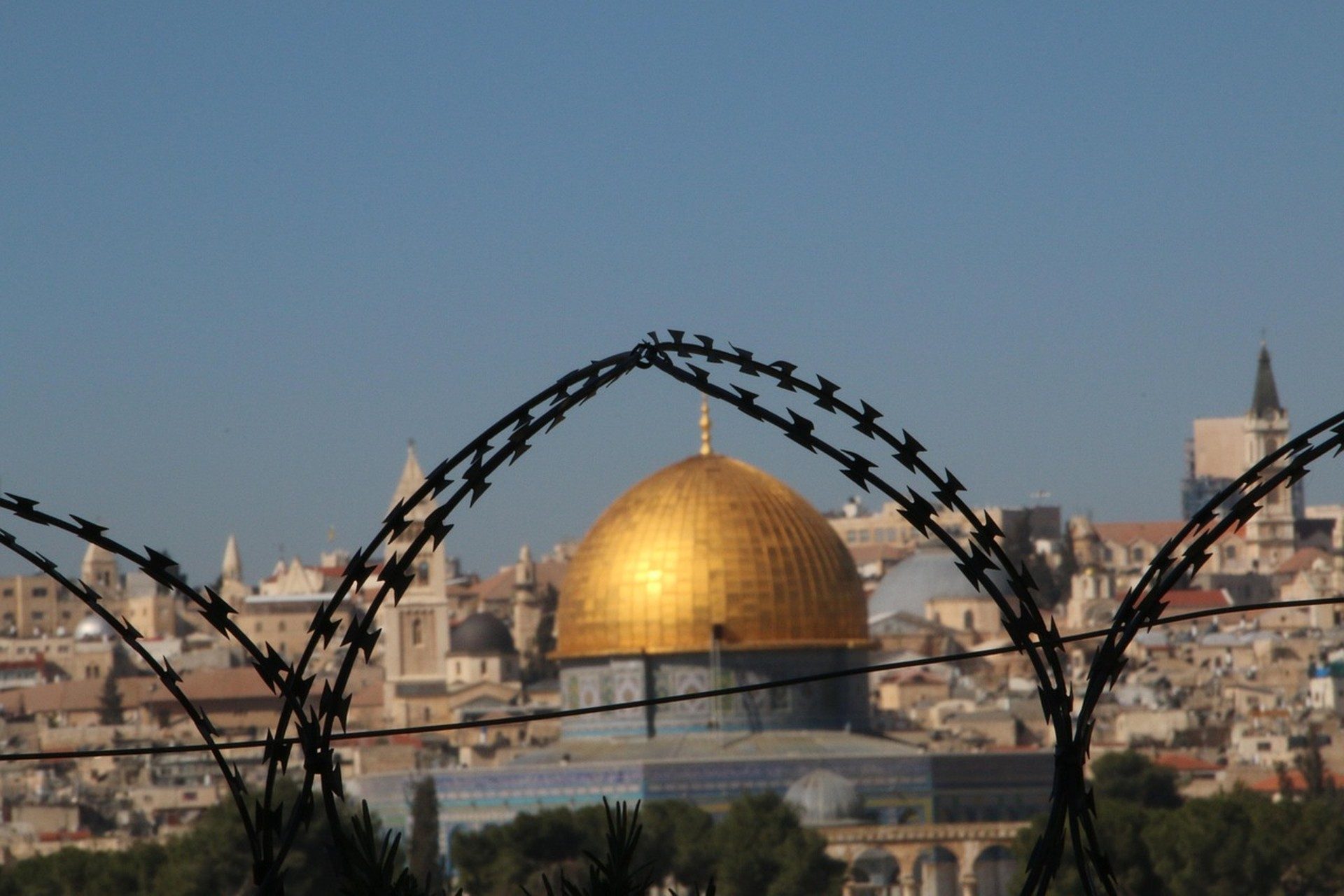
Heritage buildings across Israel carry centuries of memory in their walls, courtyards, and street-facing facades. At the same time they often waste energy through leaky windows, outdated lighting, and inefficient heating or cooling. Energy efficiency retrofits for these sites mean careful upgrades that cut power and water use while protecting the historic fabric that makes places like the Old City of Jerusalem, Jaffa’s stone alleys, or Acre’s Crusader walls so distinctive. This piece walks through the israel it heritage energy retrofits fundamentals in everyday language so any adult reader can follow the logic without technical training.
Why Israel’s Historic Fabric Faces Rising Energy Costs
Many structures built before modern insulation standards now sit inside a hotter climate and tighter electricity market. Summers stretch longer, air-conditioning demand climbs, and owners of museums, hotels, or residential compounds see bills that threaten long-term care budgets. The IMF Israel country analysis notes how energy price swings affect public and private balance sheets alike. When a heritage site loses heat through thin stone or single-pane glass, every shekel spent on fuel or power is money that cannot go toward conservation or visitor services.
Local climate zones add another layer. Coastal humidity differs from Jerusalem’s dry hills, so a solution that works in Tel Aviv may fail in Safed. Foundation readers often ask how these physical pressures translate into practical decisions. The short answer is that every retrofit starts with measuring actual energy use rather than guessing from architectural drawings alone.
Defining Heritage Sites That Qualify for Careful Upgrades
Not every old building carries legal protection, yet many still deserve sensitive treatment because of cultural value. Municipal lists, national registers, and religious authorities all maintain inventories. A stone house in Zikhron Ya’akov may fall under different rules from a Mandate-era cinema in Haifa. Understanding the classification early prevents costly rework later.
Tourism numbers also shape priorities. Sites that welcome large visitor flows generate more income but also more wear. Readers interested in visitor movement patterns can explore Tourism Mobility Data Infrastructure: Who the Main Stakeholders Are to see how foot traffic data informs both mobility planning and building upgrades. That same data helps owners decide where to place efficient lighting without spoiling night-time character.
Basic Physics Behind Cutting Waste in Thick Walls
Energy leaves a building through conduction, air leakage, and inefficient equipment. Thick stone walls hold cool air in summer yet may stay cold and damp in winter. Adding insulation on the interior or exterior must respect moisture movement so that walls do not trap water and breed mold. Simple first steps include sealing obvious gaps around doors and installing weather-stripping that can be removed if future archaeologists need access.
Lighting offers quick wins. Replacing old bulbs with efficient lamps that match the color temperature of historic interiors reduces both electricity and heat load. Sensors that dim lights when rooms empty cut waste without requiring guests to flip switches. These measures sit at the heart of israel it heritage energy retrofits fundamentals because they deliver measurable savings while remaining reversible.
Moisture and Ventilation Trade-offs
Sealing a building too tightly can raise indoor humidity. Heritage lime plasters need to breathe. Controlled ventilation systems that recover heat from outgoing air keep air quality high without large energy penalties. Designers measure temperature and humidity over several seasons before choosing equipment size.
Israeli Rules That Guard Authenticity During Work
Any change that affects protected elevations or interiors usually requires permits. The Israel Ministry of Construction and Housing sets national frameworks, while local conservation committees review details. Digital submission tools now speed many applications. Owners who want a plain overview of those digital tools can read E Permit Platforms for Municipal Planning: A Beginner's Institutional Guide before filing paperwork.
Religious sites add further layers of consultation. Synagogues, churches, and mosques often involve community boards whose priorities include both prayer function and material integrity. Early conversation prevents later objections that stall projects for years.
Money Sources and Realistic Payback Periods
Upgrades cost money up front. Grants, low-interest loans, and tax incentives sometimes offset part of the bill. The Bank of Israel tracks credit conditions that influence how easily private owners can borrow for green improvements. Public sites may draw on national climate budgets or international technical assistance.
Payback periods vary. Lighting and controls often return investment inside five years. Full heating-system replacements can take longer yet still make sense when the alternative is repeated emergency repairs. Owners who manage portfolios of commercial heritage assets sometimes track results through standardized reporting. Those who want the vocabulary of such reporting can consult PropTech Data Standards for REIT Reporting: Key Terms and Concepts for clear definitions that translate well to historic properties.
National statistics also matter. The Israel Central Bureau of Statistics publishes energy-consumption figures that help set realistic benchmarks for different building types. Comparing a site’s performance against those averages shows whether a proposed retrofit is ambitious or merely average.
Visitor Comfort and Hospitality Pressures in Historic Quarters
Guests expect cool rooms in August and warm ones in January, yet they also come to experience authentic materials. Balancing those expectations is especially sharp in Jerusalem’s hospitality sector. Operators weighing room upgrades against conservation rules find useful context in Hospitality Repositioning in Jerusalem: What New Readers Should Know. Efficient climate control that stays invisible preserves the story the building tells while keeping occupancy rates healthy.
Crowding itself generates heat and moisture. Managing visitor flows so that peak hours do not overload cooling systems is part of a smart retrofit plan. Sensors that track room occupancy can feed both energy systems and ticketing software, creating a quiet feedback loop that benefits everyone.
Digital Tools That Support Sensitive Decisions
Three-dimensional laser scans create accurate models of irregular historic volumes without invasive probing. Energy-modeling software then tests different insulation packages or window treatments inside the computer before anyone lifts a trowel. These tools reduce risk and help conservation architects speak a common language with engineers.
Broader technology trends also reshape land values around heritage clusters. Readers tracking how computing demand affects real-estate patterns can turn to AI Infrastructure Demand Is Reshaping Israel's Real Estate Map for a clear picture of new pressures. Even if a heritage site itself never hosts servers, neighboring land prices and power-grid upgrades can change the economic case for its own efficiency work.
Anyone seeking more reading on related infrastructure topics can browse the Infrastructure Technology archive. For quick answers to common questions, the Foundation FAQ (frequently asked questions) page gathers concise explanations. Regular updates appear on the Blog as policies and technologies evolve.
Practical Sequence Most Owners Follow
Start with a walk-through energy audit that notes lighting, heating, cooling, and water fixtures. Photograph every surface that might change. Engage a conservation specialist early so that technical ideas stay compatible with heritage values. Model the best options, then seek permits. Install reversible measures first, measure results, and only then consider deeper interventions such as under-floor heating or discreet solar arrays on secondary roofs.
International guidance from the OECD on building renovation offers useful benchmarks that Israeli practitioners adapt to local climate and legal culture. The key is always to treat the building as a living document rather than a problem to be solved once and for all.
When done well, energy efficiency retrofits for heritage sites protect both the planet’s resources and the stories held in stone and timber. Israel’s dense layering of history makes the task complex yet rewarding. Owners, municipalities, and visitors all gain when power bills fall and authenticity remains intact. The israel it heritage energy retrofits fundamentals ultimately rest on patience, measurement, and respect for the fabric that already exists.
Timeless Value. Perpetual Legacy.