Coastal buildings in Israel face heat spikes, airborne salt, and higher storm water more often than inland stock. Adaptation sensors help owners see stress early so repairs stay smaller and less frequent. Inflation and borrowing costs decide how far those systems can be rolled out without eroding returns. This piece explains the technology, the money, and the choices facing property holders along the Israeli coast.
Market numbers from the Israel Central Bureau of Statistics show steady coastal construction alongside rising repair indexes. Those same figures, read beside work from the IMF Israel country analysis, make clear that any capital spent on sensors must leave room for inflation shocks and for shifts in credit pricing.
Salt Corrosion and Moisture Paths That Sensors Catch First
Sea spray leaves chloride layers on steel, concrete, and aluminum. Once the layer builds, humidity from fog or rain drives the chemistry deeper. Vibration pads and strain gauges placed at known weak points register micro-movements days or weeks before cracks open. Moisture probes in wall cavities flag rising damp before mold or salt efflorescence appears on interior finishes.
Thermal cameras and simple temperature arrays reveal places where insulation fails under strong afternoon sun. On high-rise facades facing the sea the differential expansion between materials can exceed design tolerances after only a few summers. Early detection lets crews reseal joints rather than rebuild entire sections later.
Owners who already manage rental demand with tools similar to the approach described in AI Forecasting for Rental Demand: Technical Due Diligence Checklist can feed sensor alerts into the same decision calendar, treating structural health as another demand driver rather than a surprise cost.
Device Classes Suited to Israeli Seaside Conditions
Strain gauges and load cells remain the most reliable for columns and beams. They survive the salt air when sealed to industrial grades and powered from stable low-voltage rails. Relative-humidity and chloride-ion sensors pair well with those gauges; together they map both mechanical stress and chemical attack.
Accelerometers detect new vibration patterns that appear after foundation settlement or after nearby construction. Optical fiber lines offer continuous coverage along long facades or piers, returning temperature and strain at every meter. Wireless mesh versions reduce cabling cost but need careful antenna placement because metal and water both absorb radio signals.
Selection criteria should stay practical: expected service life longer than ten years, calibration that local technicians can repeat, and data formats that ordinary building-management software already accepts. Over-specifying devices raises up-front cost without adding decision value.
Inflation Pressure on Sensor Hardware and Installation Crews
Metal enclosures, specialty cables, and corrosion-resistant fixtures all track broader commodity inflation. Labor for scaffolding and certified welders on high coastal structures has climbed even faster. When those two cost lines rise together, a system once quoted for the next quarter can jump 15, 20 percent before the purchase order is signed.
Phased installation helps. Start with the most exposed elevations and critical load paths. Use portable data loggers for a six-month baseline before committing to permanent fixed networks. That sequence keeps cash outlays inside the current budget year while still producing usable records for lenders and insurers.
Portfolios governed under formal family rules can treat sensor upgrades as scheduled capital events rather than ad-hoc spending. The framework set out in Family Constitution and Property Governance: Reliability and Operational Resilie gives a clear path for approving such work without endless debate.
Borrowing Costs That Determine How Far Networks Expand
Credit conditions set by the Bank of Israel flow straight into the cost of retrofitting older seaside buildings. Higher reference rates raise debt service, so the internal return target for any sensor project must rise in parallel or the project is deferred. Lower rates reopen the door for wider coverage, including basements and underground parking that flood during intense winter storms.
Loan covenants increasingly ask for continuous monitoring data before they allow draw-downs on green or climate-linked facilities. Owners who already collect clean readings can meet those covenants quickly; those who wait may face higher pricing or smaller approved amounts. Sensitivity tables that test rate moves of 50, 100, and 150 basis points show which building clusters stay viable under each scenario.
Guidance from the OECD on infrastructure resilience underlines that early investment in measurement reduces the size of later capital losses. That logic sits behind many of the preferential windows now discussed for coastal upgrades.
Israeli Coastal Clusters That Reward Early Coverage
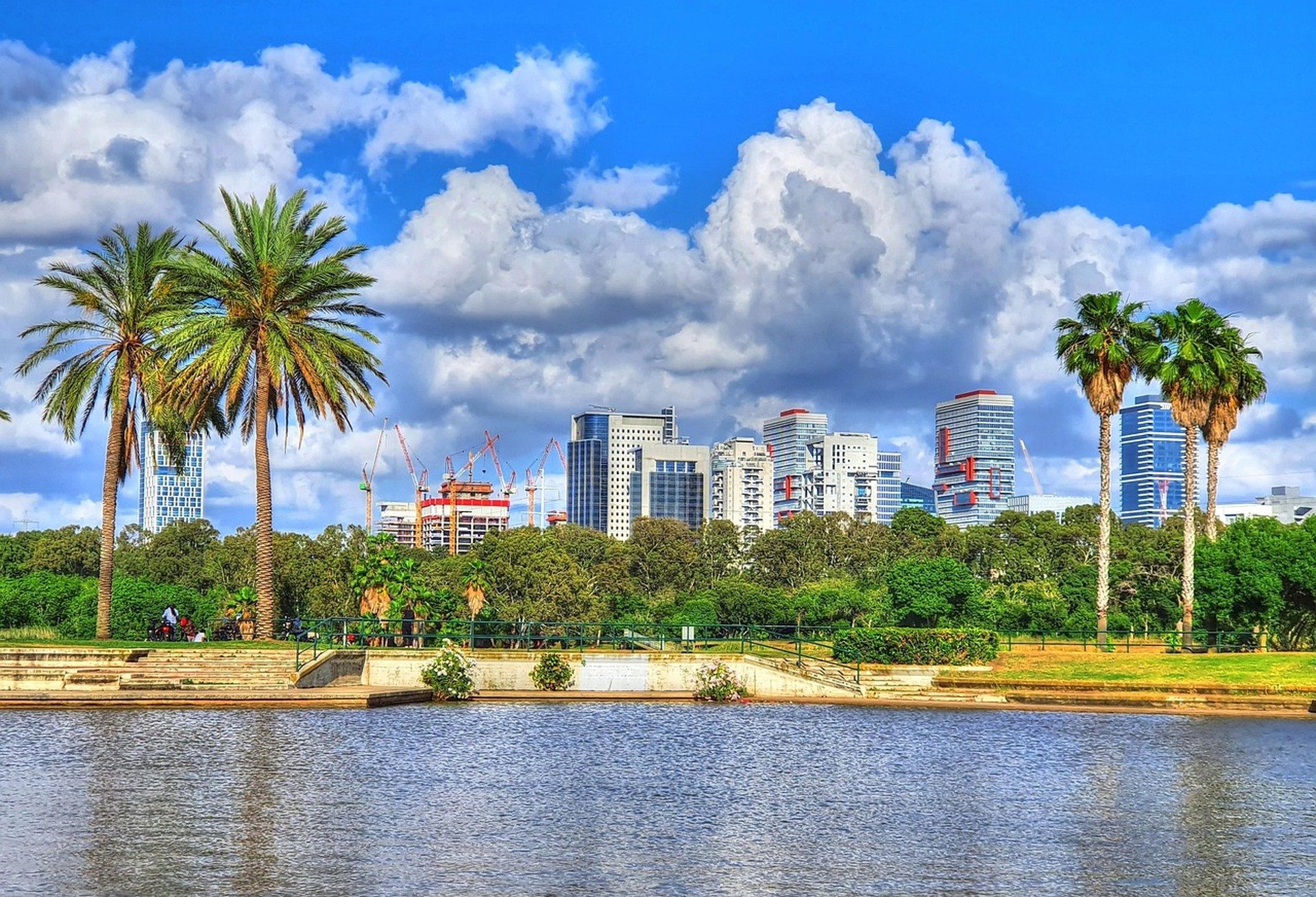
Tel Aviv, Haifa, Ashdod, and Netanya host dense mid- and high-rise stock within a short distance of the waterline. In these clusters even modest sensor density produces portfolio-wide insight because building codes and construction eras often share the same details. Further south, smaller resort and residential blocks can start with simpler humidity and water-level sensors placed only at ground level and mechanical rooms.
Demand for data-center and cloud capacity is already pulling new capital into certain coastal municipalities. That trend, mapped in AI Infrastructure Demand Is Reshaping Israel's Real Estate Map, makes structural readiness a competitive factor; buildings that can prove dry basements and stable foundations attract longer leases from technology tenants.
Operators who model cash-flow outcomes with Digital Twin Models for Housing Portfolios: Capital Flow Patterns to Track can layer sensor alerts onto projected vacancy and rent paths, seeing how climate-driven downtime would move numbers under different inflation and rate paths.
Financing Clauses That Reward Continuous Evidence
Some lenders now offer slightly lower spreads when owners demonstrate verified sensor uptime and publish anonymized condition reports. Insurers are testing premium credits for the same continuous data. Both mechanisms reduce the net cost of ownership and make the original hardware outlay easier to defend in board meetings.
Seasonal visitor flows, especially around religious calendars, create short windows of high revenue that must not be interrupted by unexpected facade work. Planning around those windows is examined in Pilgrimage Season Revenue Planning: 2026 Data and Macro Context; sensors that warn of roof or balcony risks months ahead protect those peaks.
Public technical standards issued by the Israel Ministry of Construction and Housing continue to tighten envelope performance and durability requirements. Aligning sensor packages with those standards keeps future permits simpler and avoids forced upgrades later.
Operational Routines That Keep Data Honest and Useful
Calibration schedules matter more than brand names. A gauge that drifts unnoticed will trigger false alarms or hide real damage. Local metrology labs and university partnerships can handle annual checks without shipping hardware overseas. Data should land in simple dashboards that facility staff already understand; complex analytics can wait until the first year of clean baselines exists.
Cross-checks with weather-station records confirm that humidity spikes match regional events rather than sensor failure. When readings and weather diverge, maintenance teams investigate wiring or power quality first. That discipline turns raw streams into trusted input for capital budgeting.
Readers seeking deeper technical essays can browse the full Infrastructure Technology archive. Common installation and financing questions are answered in the site FAQ (frequently asked questions), while shorter market notes appear regularly on the Blog.
In short, sensors give coastal owners measurable warning of climate stress. Inflation raises both the price of those sensors and the cost of ignoring them. Rate levels decide how wide the monitoring web can stretch today. Owners who treat the three factors together keep buildings safe, financing intact, and operating cash stable for years ahead.
Timeless Value. Perpetual Legacy.