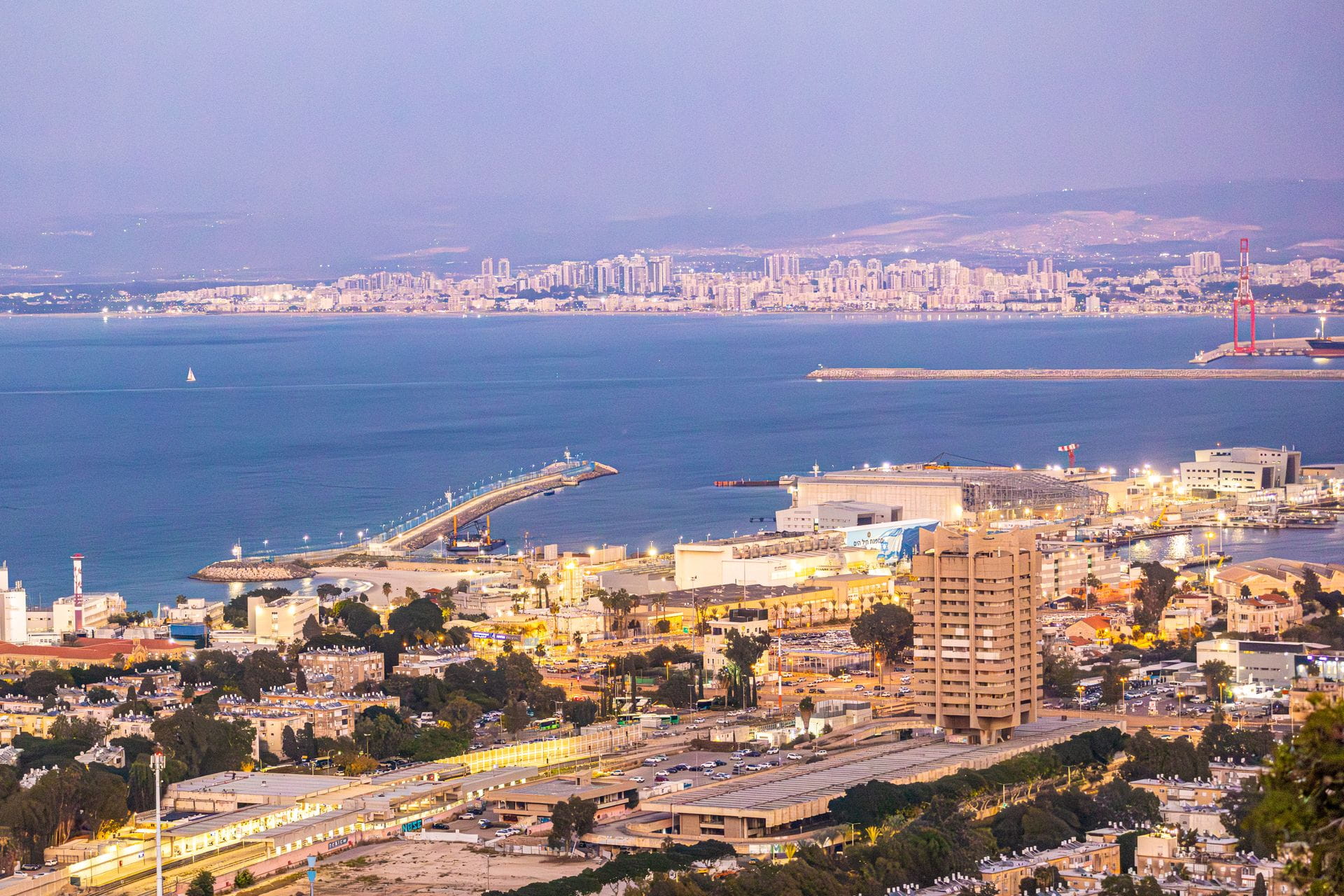
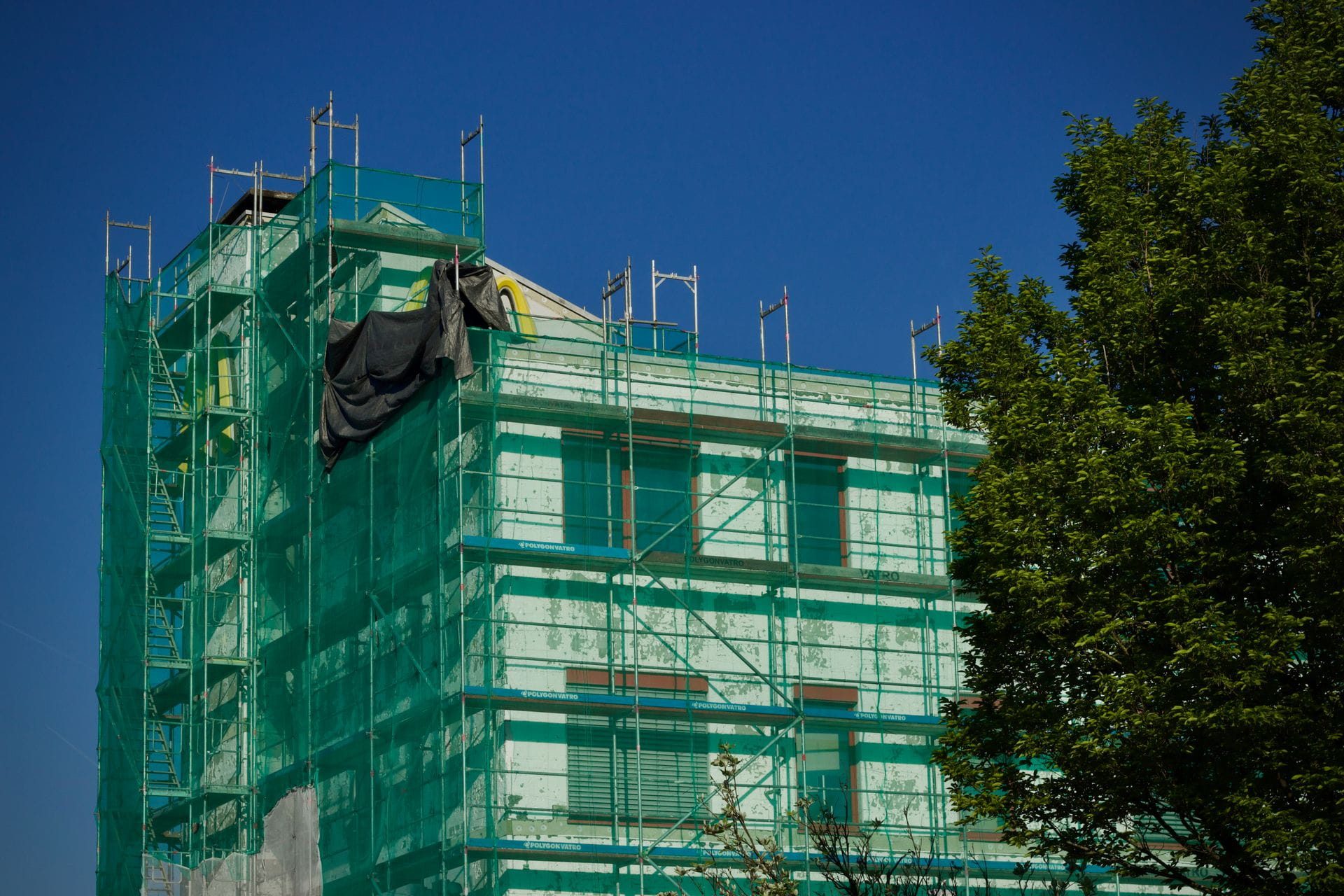
Across Israel, buildings that once treated water as an endless utility now face sharper questions about supply risk, storage, and reuse. Owners, managers, and investors who follow israel ss building water security regimes need a clear map of how local rules stack up against systems used in other dry or drought-prone markets. Foundation publishes this guide so any adult reader can compare those regimes without jargon or vague slogans.
Scarcity is not abstract. Rainfall is uneven, aquifers need careful management, and growth in housing and tourism keeps demand high. When a tower or campus cannot rely only on municipal mains during heat waves or service interruptions, on-site upgrades move from optional amenities to board-level topics. The comparison that follows looks at Israel first, then at selected markets that already force buildings to carry more of the resilience load.
Scarcity Pressure Inside Israeli Walls
Municipal networks still deliver the bulk of potable supply, yet many structures now plan for partial self-reliance. Graywater recycling, rooftop capture where codes allow, dual plumbing, and modest on-site storage appear more often in new design briefs. Older stock faces harder retrofit choices because risers, basements, and plant rooms were never sized for secondary water circuits.
National statistics help frame the scale. Population and construction figures published by the Israel Central Bureau of Statistics show continued building activity even as water stress remains a standing concern. That combination explains why regulators and local authorities keep tightening expectations for efficiency and contingency planning inside the building envelope itself.
Readers who track capital allocation often pair water resilience with broader infrastructure stories. One example is the way southern cities expand services; the piece on Be'er Sheva's Infrastructure Push and What It Means for Investors shows how public works and private assets interact when utilities and growth move together.
Permit Triggers for On-Site Water Hardware
Israeli practice does not treat every faucet the same. New construction and major renovations can trigger requirements for low-flow fixtures, metering that separates uses, and sometimes treatment systems that allow non-potable loops for irrigation or toilet flushing. Fire-fighting reserves sit under separate safety rules, yet they still consume volume and space that designers must reconcile with everyday resilience goals.
Approval paths vary by municipality and by whether the project sits inside a larger master plan. Coordinating with water utilities early reduces redesign costs later. When joint ventures own senior living or multi-family assets, governance documents should already list who pays for compliance upgrades and who tracks operating savings. Signals on that topic appear in Joint Venture Governance for Senior Housing: Signals Worth Tracking.
Singapore Style Mandates Versus Local Flexibility
Singapore long ago pushed buildings toward high recycling rates and tight efficiency standards because land and water are both constrained. The regime leans on clear national targets, mandatory fittings standards, and strong enforcement. Israel shares the scarcity impulse but still leaves more room for local variation and phased adoption, especially for existing towers.
Where Singapore often requires proven technology packages at certificate stage, Israeli authorities may accept staged improvements tied to renovation milestones. That flexibility helps owners of mid-century stock, yet it can also produce uneven resilience across neighboring buildings. Investors comparing markets therefore look at both the written code and the practical pace of enforcement.
California Drought Codes as a Stress Test Mirror
California districts have layered outdoor watering limits, fixture efficiency rules, and reuse incentives through successive drought cycles. Buildings that once irrigated large landscaped areas now face permanent cutbacks. Israeli owners can study those episodes as a preview of how public messaging, fines, and rebate programs shape behavior when reservoirs drop.
Key differences remain. Israel’s national water company and desalination capacity give a different baseline security than many California basins enjoy. Still, building-level storage and dual systems matter in both places when local pressure drops or when peak summer demand strains distribution. Comparing the two regimes shows that technology alone is never enough; pricing signals and inspection culture decide whether upgrades stay online after the first dry year passes.
Upgrade Cost Patterns Owners Actually Meet
Capital outlays typically cluster around three items: meters and sensors that prove savings, treatment or filtration skids for non-potable loops, and space reconfiguration for tanks or pumps. Soft costs include engineering redesign, permit fees, and temporary disruption for tenants. Payback periods shrink when water tariffs rise or when green certification improves lease rates, yet many projects still treat resilience as a risk hedge rather than a pure return play.
Reporting those investments cleanly matters for funds and real-estate investment trusts. Shared data language helps; the overview of PropTech Data Standards for REIT Reporting: Key Terms and Concepts explains how digital records of consumption and upgrades can support transparent performance claims.
Macro context also shapes financing appetite. Currency, interest rates, and growth forecasts published through the Bank of Israel influence whether owners fund upgrades from cash flow, bank loans, or equity raises. Parallel reading of IMF Israel country analysis supplies an external view of the same economic backdrop.
Enforcement Culture Across Three Markets
Written codes mean little without inspection capacity and credible penalties. Singapore’s dense administrative system can verify compliance at high frequency. California relies on a mix of state guidance and local water-district action, so intensity varies by county. Israel’s pattern sits between those poles: national standards set the floor while municipal officers and utility contracts do much of the day-to-day checking.
Owners who operate portfolios in more than one market therefore budget differently for audits and remedial work. A building that sails through Israeli checks may still need extra documentation when the same corporate owner applies California or Singapore standards to sister assets. Harmonizing internal policies around the strictest common denominator often proves cheaper than fighting three separate regimes.
Capital Recycling After Water Works Finish
Once upgrades stabilize consumption, some owners free cash for further acquisitions. Techniques that recycle equity after improvements can apply; the framework in The BRRRR Method Applied to Israeli Real Estate: A Framework for Capital Efficie outlines one path for turning stabilized assets into new buying power. Water security improvements rarely dominate that story, yet they support the stabilization step by reducing utility volatility and tenant complaints.
Demand geography also matters. New households and returning residents concentrate in certain corridors, stressing both housing stock and the pipes that serve it. Forecasts that link migration patterns to infrastructure readiness appear in Aliyah Linked Housing Demand Forecasts: Infrastructure Readiness by Geography. Buildings that already carry storage and reuse capacity sit better when those forecasts turn into actual occupancy.
Tourism Assets and Seasonal Peaks
Hotels and short-stay properties face sharp summer peaks that residential towers rarely match. Policy comparison therefore includes whether regimes treat tourism assets as ordinary commercial buildings or as special high-load users. Cross-border owners sometimes restructure holdings to optimize tax and compliance costs; the discussion of Cross Border Tax Structuring for Tourism Assets: Global Market Comparison shows how ownership form can interact with local operating rules, including water reporting.
Seasonal staff housing, pool systems, and laundry plants all add complexity. Markets that require public disclosure of water intensity per guest-night create reputational pressure that pure residential codes may lack. Israeli coastal and desert destinations can adopt lessons from those disclosure regimes without copying every foreign clause.
Where Non-Experts Go Next
Anyone managing or investing in Israeli buildings can start by inventorying current fixtures, meters, and storage, then mapping those assets against the strictest local interpretation of efficiency and contingency rules. Parallel reading of peer markets prevents surprise when a foreign partner or lender applies another standard. Foundation keeps related material organized under the Smart Strategies archive and answers common ownership questions on the FAQ (frequently asked questions) page.
Water security upgrades will not erase national scarcity, yet they shift a meaningful slice of risk from the public network into private plant rooms that owners can control. Comparing policy regimes across markets simply makes those private decisions more informed and less reactive.
Related Foundation reading: Joint Venture Governance for Senior Housing: Infrastructure Readiness .
Timeless Value. Perpetual Legacy.