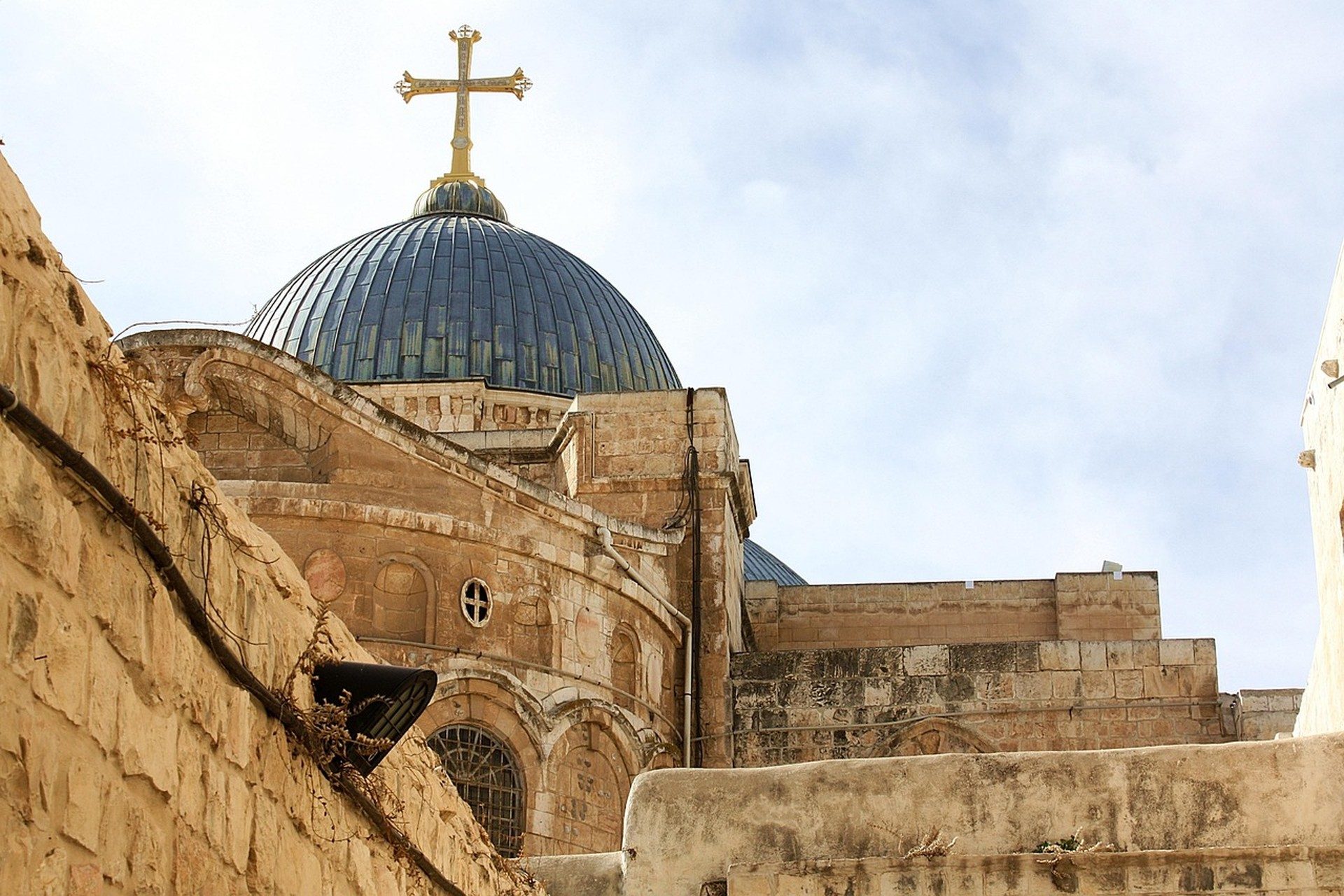
Every year Israel receives waves of visitors who arrive for religious festivals, sacred sites, and historical journeys. Those waves create a distinct revenue calendar that operators must read with precision if they want steady income rather than feast-or-famine swings. This article unpacks how the market truly moves so that hotel managers, transport firms, guides, and small retailers can plan cash rather than merely hope for crowds.
Calendar Anchors That Drive Visitor Density
Major Jewish, Christian, and Muslim observances cluster into predictable windows. Passover, Easter, Ramadan, and the autumn High Holy Days routinely fill beds from Galilee to the Negev. Operators who mark these dates on a multi-year spreadsheet quickly see occupancy spikes that last from ten days to six weeks. The Israel Central Bureau of Statistics publishes monthly arrival tables that confirm the same rhythm year after year. Matching staff rosters and inventory purchases to those tables removes much of the guesswork.
Secondary festivals add smaller but still useful lifts. Local pilgrimage days for particular saints or rabbis fill boutique guesthouses that large chains ignore. Tracking municipal announcements and synagogue calendars therefore becomes as important as watching national holidays. Revenue planners who ignore the secondary layer leave money on the table every quarter.
Spending Layers Across Lodging Transport and Retail
Visitors rarely spend in a single category. A typical three-night stay generates room revenue, meal packages, day-tour tickets, and souvenir purchases. Operators who map the full wallet journey discover which partners capture the next euro or shekel after checkout. Cross-promotion agreements then turn one booking into three separate invoices.
Currency swings affect those layers differently. Rooms priced in dollars or euros may hold value when the shekel softens, while local taxi meters and market stalls feel the pinch immediately. Consulting the Bank of Israel exchange-rate series helps firms decide when to lock in foreign-currency rates for packages. That single habit protects margins during periods of volatility.
Capacity Constraints Hidden in Infrastructure
Hotels and restaurants cannot expand overnight. Power supply, water pressure, and road access set hard ceilings on how many guests a district can absorb. In some northern corridors the same grid that serves data centers also serves pilgrimage hotels; when loads spike, blackouts threaten both. Readers interested in that intersection can review Power Availability: The Hidden Bottleneck in Israeli Data Center Development for a deeper look at shared infrastructure risks.
Road bottlenecks around the Old City or the Sea of Galilee create similar limits. Shuttle operators who schedule extra runs only after traffic reports appear lose the early-booking window. Pre-negotiated exclusive lanes or timed entry slots convert those constraints into premium products that command higher fees.
Financing Tools Matched to Seasonal Cash Cycles
Revenue arrives in concentrated bursts while fixed costs continue year-round. Smart operators therefore align credit facilities with the pilgrimage calendar rather than the fiscal year. Short-term revolving lines drawn just before Passover and repaid after Shavuot keep interest expense low. Longer construction loans for room additions follow a different rhythm; those decisions often hinge on mortgage pricing trends that also affect residential buyers. A clear summary appears in Mortgage Rate Trends and What They Mean for Buyers.
Some family offices treat pilgrimage-oriented real estate as a distinct allocation sleeve. They examine Israeli real-estate investment trusts that hold hotels or commercial strips near holy sites. New investors can find a practical overview in Family Office Allocation to Israeli REITs: What New Readers Should Know. The key insight is that seasonal revenue streams can still produce stable dividend yields when occupancy risk is diversified across multiple sites.
Real-Estate Plays Built Around Visitor Flows
Investors sometimes buy under-performing guest houses, renovate them, re-rent at higher rates, refinance, and repeat. That sequence, known as the BRRRR method, works especially well when the property sits inside a proven pilgrimage corridor. A step-by-step framework tailored to local rules is available at The BRRRR Method Applied to Israeli Real Estate: A Framework for Capital Efficie.
Coastal regeneration projects also matter. Haifa’s maritime district is adding hotel capacity and cruise-passenger walkways that will capture future pilgrim traffic arriving by sea. Institutional beginners can start with Haifa Maritime District Regeneration: A Beginner's Institutional Guide. Zoning decisions from the Israel Ministry of Construction and Housing determine which parcels can convert from industrial to hospitality use, so early engagement with those rules protects capital.
Data Sources That Separate Signal from Speculation
Public datasets remain free and under-used. Arrival counts, overnight stays, and average spend figures appear regularly from national statistical offices. Cross-checking those numbers against hotel-tax receipts gives a ground-level view of actual cash movement. International context arrives from the IMF Israel country analysis, which places tourism receipts inside the broader current-account picture.
Private booking platforms release anonymized demand heat maps. Operators who subscribe to even the free tiers can spot last-minute surges three weeks out and adjust dynamic pricing algorithms before competitors react. Combining public and private feeds produces a living glossary of market terms that any new planner can master within one season.
Common Planning Errors That Erode Margins
One frequent mistake is treating every festival as identical. Easter Christian groups and Passover Jewish groups differ in average party size, meal preferences, and day-tour interests. A single menu or tour script cannot serve both well. Segmented offers raise satisfaction scores and secondary spend.
Another error is ignoring shoulder weeks. The two days before and after peak holy days still generate solid occupancy at lower marketing cost. Filling those nights with package discounts converts empty inventory into contribution margin that covers fixed overhead. Detailed case studies live inside the Smart Strategies archive.
Operators also forget to stress-test labor contracts. Temporary guides hired for one festival often demand the same rate the following year even if visitor numbers drop. Multi-year agreements with volume-based bonuses stabilize both cost and quality. Questions about contract wording or regulatory updates can be answered through the Foundation FAQ (frequently asked questions) page and the broader Blog library of market notes.
Revenue planning for pilgrimage seasons is less about prediction and more about disciplined calendar alignment, layered spending maps, infrastructure awareness, and flexible finance. Operators who master those four elements turn temporary crowds into durable enterprise value that outlasts any single festival cycle.
Readers comparing notes on Pilgrimage Season Revenue Planning How the Market in Israel should keep one dated source list and one named owner for updates so the next review of Pilgrimage Season Revenue Planning How the Market does not restart definitions. Article reference israel-205.
If two teams disagree about Pilgrimage Season Revenue Planning How the Market, write the disagreement in one paragraph with the evidence each side trusts before any money language expands around Pilgrimage Season Revenue Planning How the Market. Article reference israel-205.
A short refusal note for Pilgrimage Season Revenue Planning How the Market should say what was parked, why it was parked, and who can reopen the file on Pilgrimage Season Revenue Planning How the Market after new facts arrive in Israel. Article reference israel-205.
Readers comparing notes on Pilgrimage Season Revenue Planning How the Market in Israel should keep one dated source list and one named owner for updates so the next review of Pilgrimage Season Revenue Planning How the Market does not restart definitions. Article reference israel-205.
Related Foundation reading: Foundation Ukraine.
Timeless Value. Perpetual Legacy.