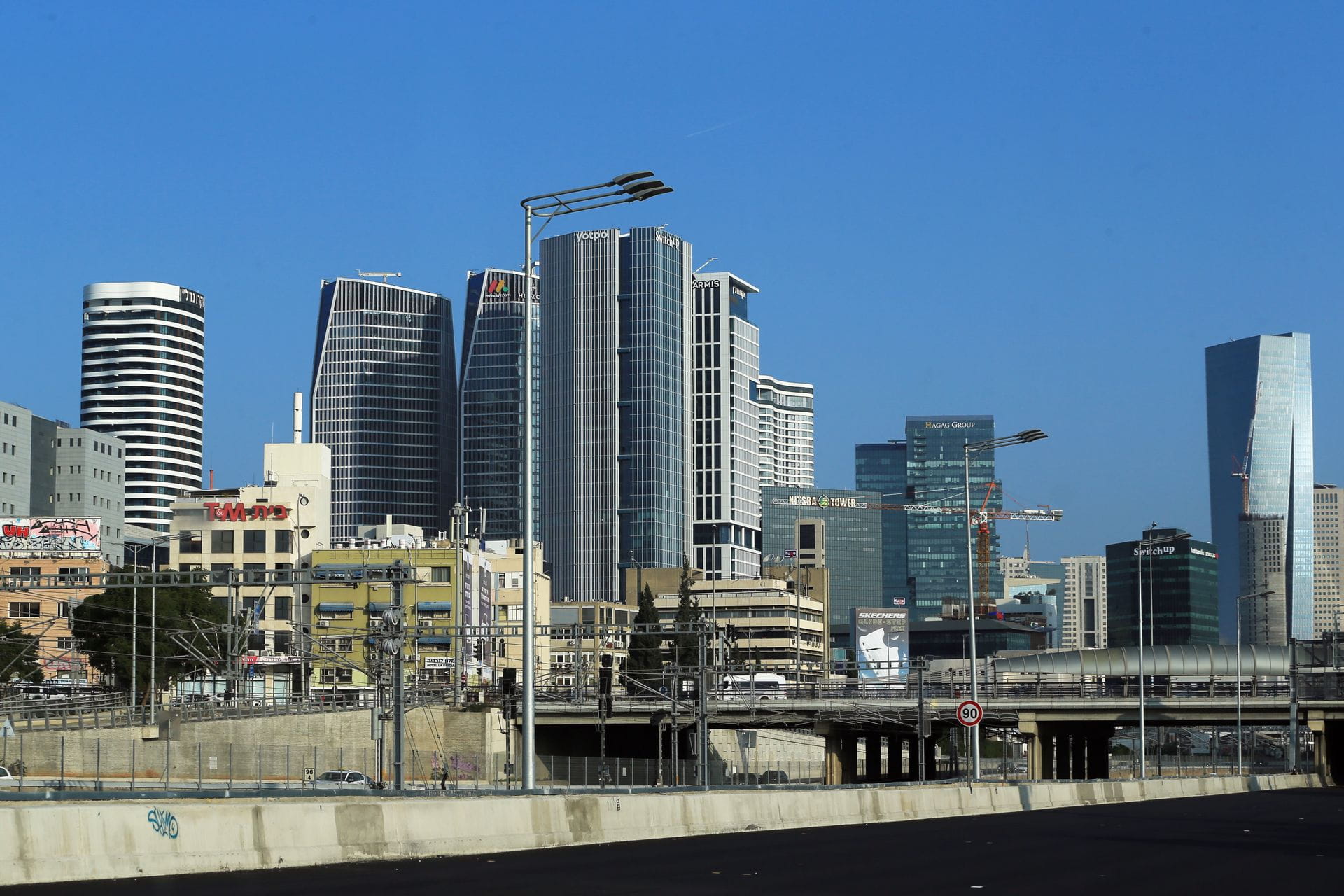
Israel's tight housing inventory does more than frustrate families looking for apartments. It quietly builds a structural advantage for those who buy and hold quality assets in the right locations. Limited land release, slow permit cycles, and steady population expansion keep new supply from catching demand for years at a stretch. That imbalance lifts rents, supports resale values, and creates entry points for investors who understand the mechanics rather than chase short-term flips.
Scarcity here is not temporary fashion. It is the product of geography, regulation, and demography working together. Coastal cities and inland employment hubs face the same pressure: more households form each year than units reach completion. Investors who treat this gap as a durable feature, not a headline, position themselves to capture compounding returns.
Land Release Speeds That Never Match Family Formation
Much of the available land sits under public ownership or requires multi-agency approval before any shovel hits the ground. Private developers must wait through zoning revisions, environmental reviews, and infrastructure coordination that can stretch beyond three years. Meanwhile the number of households continues to climb. The Israel Central Bureau of Statistics tracks annual household formation that consistently outpaces the rate of new dwelling completions in the major metros.
This mismatch does not reverse overnight. Even when national targets call for higher building rates, local bottlenecks persist. Investors who focus on existing stock or late-stage projects already past the permit stage avoid the longest delays and still benefit from the scarcity premium that surrounds finished units.
Permit Cycles Stretching Years Beyond Original Timetables
A typical multi-family project in the center of the country can spend more time waiting for final approvals than it does under construction. Local planning committees juggle competing claims from residents, utilities, and transport authorities. Each objection restarts the clock. The result is a pipeline full of announced projects that remain invisible on the market for far longer than buyers expect.
That lag protects existing owners. Occupied apartments face less immediate competition from brand-new inventory, allowing landlords to maintain occupancy and raise rents in line with local wage growth. For purchasers, the same lag means fewer completed units available for sale at any given moment, supporting price floors even during softer economic periods.
Rent Trajectories Supported by Chronic Under-Building
When new supply fails to appear, tenants have fewer alternatives. Landlords in high-demand districts can adjust leases upward with each renewal cycle. Over a decade this compounds into meaningful cash-flow growth without requiring constant capital improvements. Data published by the Bank of Israel regularly shows residential rent indices rising faster in cities with the lowest vacancy rates.
The same dynamic appears in specialized segments. University neighborhoods experience sharp seasonal pressure that never fully relaxes because permanent stock remains scarce. Investors examining Student Housing Delivery in Tel Aviv: Explained in Plain Language discover how purpose-built residences capture premium rents precisely because traditional apartments cannot expand quickly enough to meet enrollment growth.
Existing Stock Gaining Scarcity Value Over New Starts
Finished buildings already carry the advantage of known condition, established tenancies, and completed infrastructure connections. New construction, even when it finally appears, often prices at a premium that existing stock can undercut while still delivering solid yields. Buyers who acquire well-located older assets can modernize interiors and capture rent steps that reflect the surrounding shortage.
This approach aligns with capital recycling methods. Applying The BRRRR Method Applied to Israeli Real Estate: A Framework for Capital Efficie lets an investor renovate, refinance, and redeploy equity into the next constrained sub-market without waiting for greenfield land to clear planning hurdles.
Urban Employment Centers Absorbing Continuous In-Migration
Job creation in technology, defense, and professional services pulls people into a handful of metropolitan areas. Those workers need housing near transport and schools. Because new neighborhoods take years to deliver, pressure concentrates on already built districts. The resulting competition for units elevates both sale prices and lease rates.
Population figures underscore the persistence of this pressure. Readers exploring Population Growth and Its Effect on Housing Demand in Israel see how natural increase and immigration combine to keep household formation elevated for the foreseeable future. That background demand does not vanish when interest rates fluctuate; it simply waits for the next available key.
Niche Assets Inside Constrained Districts
Not every property type benefits equally. Hotels and short-stay residences in historic cores face their own version of under-supply when tourist volumes recover or domestic travel rises. Operators who reposition older buildings into higher-yield formats capture the same scarcity premium that residential landlords enjoy. Guidance on Hospitality Repositioning in Jerusalem: What New Readers Should Know shows how limited room inventory and long conversion timelines create pricing power for those who complete upgrades first.
Small multifamily buildings and townhouse clusters near rail stations also outperform broader averages. Their limited scale makes them less attractive to large developers yet highly desirable to individual tenants who value proximity. Investors can assemble several such assets within one constrained corridor and benefit from shared management efficiencies.
Foreign Capital Entering Through Documented Channels
Overseas buyers often worry about paperwork and local practice. Clear pathways exist for non-residents to purchase freehold apartments and certain commercial assets. Understanding the sequence of contracts, tax filings, and banking requirements removes friction that otherwise deters capital. Detailed answers appear in Frequently Asked Questions About Investing in Israeli Real Estate as a Foreigner, while broader process questions sit in the site-wide FAQ (frequently asked questions).
Coordination between overseas funds and local closing teams is especially valuable when supply is tight and desirable units sell quickly. The practical steps for linking distant capital to local opportunities are laid out in Cross-Border Execution: Connecting New York Capital to Tel Aviv Deals. Once funds arrive, the same scarcity that complicates purchase also protects the asset after closing.
Official Metrics That Confirm Persistent Gaps
Investors do not need to guess whether the constraint is real. Regular publications from the Israel Ministry of Construction and Housing list building starts, completions, and outstanding permits by region. Comparing those figures against household projections produces a clear picture of multi-year shortfalls. Markets that show large gaps between starts and needed units tend to deliver stronger rent and price performance over subsequent cycles.
Cross-checking these numbers with banking and statistical series builds confidence before capital is committed. The exercise is straightforward enough for any adult willing to review open data rather than rely on marketing claims.
Taken together, the forces that restrict new supply convert into measurable investment advantages: higher occupancy, rising rents, and resale prices supported by limited alternatives. Strategies that respect those forces, rather than fight them, appear throughout the Smart Strategies archive. Patient buyers who secure assets inside the tightest sub-markets today step into tomorrow’s equity gains created by the very constraints that frustrate others.
Readers comparing notes on How Does Israel s Supply Constraint Actually Create in Israel should keep one dated source list and one named owner for updates so the next review of How Does Israel s Supply Constraint Actually Create does not restart definitions. Article reference israel-195.
If two teams disagree about How Does Israel s Supply Constraint Actually Create, write the disagreement in one paragraph with the evidence each side trusts before any money language expands around How Does Israel s Supply Constraint Actually Create. Article reference israel-195.
Timeless Value. Perpetual Legacy.