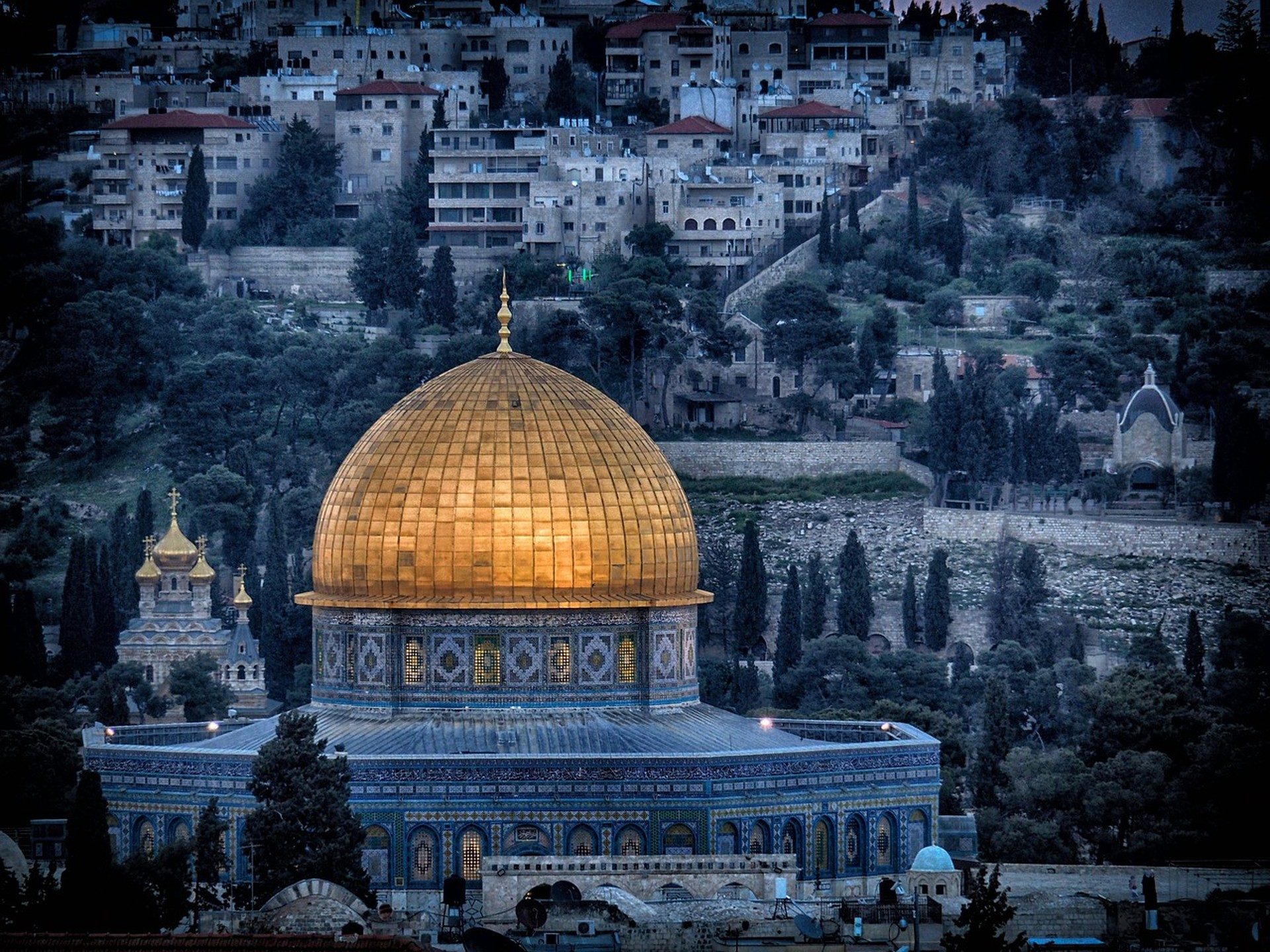
Heritage preservation in Israel sits at a practical crossroads where cultural duty meets investor math. Buildings of stone and memory demand careful cost engineering assumptions before any business model can hold. This piece unpacks those assumptions for ordinary readers who care about lasting assets in Jerusalem, Jaffa, Safed, or Acre without needing a conservation degree.
Mapping Hidden Cost Layers in Israeli Heritage Sites
Protected walls and courtyards rarely reveal their full price on first inspection. Moisture trapped in soft limestone, iron anchors that have rusted for decades, and foundations that predate modern seismic codes create layers of expense that standard construction models ignore. Teams that treat heritage work like ordinary renovation understate both materials and labor by wide margins. Local craftspeople skilled in traditional lime plaster or timber joinery command premiums because few remain active. Transport of compatible stone from approved quarries adds further line items. Early site probes that sample mortar composition and timber moisture content prevent later shocks. Readers exploring related capital approaches can review The BRRRR Method Applied to Israeli Real Estate: A Framework for Capital Efficie for sequences that free equity after careful upgrades.
Business Model Archetypes That Survive Beyond Subsidies
Grant funding and municipal tax relief help start projects yet rarely cover full life cycles. Sustainable models blend modest ticketed access with long term leases that respect original use. One common pattern turns ground floors into carefully designed cafes or craft shops while upper levels become limited short stay units under strict rules. Another places professional studios or small museums inside restored shells and rents adjacent new space at market rates. Hybrid ownership through community land trusts keeps speculative pressure low. Operators who track occupancy against seasonal pilgrim flows and domestic visitors build realistic revenue curves. Guidance on compliance data structures appears in Short Term Rental Compliance Design: Data Taxonomy for Cross-Functional Teams, useful when heritage zones intersect tourism rules.
Engineering Assumptions About Stone, Lime, and Seismic Load
Modern concrete thinks in high compressive strength and steel reinforcement. Historic Israeli masonry thinks in breathability, flexibility, and mass. Assuming that cement based mortars can replace traditional lime mixes invites cracking and salt damage within years. Seismic upgrades must respect the soft behavior of thick walls rather than force rigid frames that tear the fabric. Cost models therefore allocate higher sums to reversible interventions such as timber diaphragms or fiber anchors that can be removed later. Climate realities further shape choices. Intense sun and salt air accelerate surface erosion, so protective coatings and drainage details receive heavier weighting than in temperate zones. Parallel thinking on building durability appears when hoteliers examine Climate Resilience Retrofits for Hotels: Reliability and Operational Resilience, because both fields share the need for long service life under heat stress.
Cash Flow Timing When Approvals Stretch Across Seasons
Heritage commissions and planning boards work on deliberate calendars that rarely match private finance deadlines. A single permit for exterior work can take many months, during which interest accrues and scaffolding stands idle. Models that assume continuous construction progress fail early. Smart operators insert buffer periods equal to at least two full approval cycles and phase work so that revenue generating parts open first. Soft costs for archaeologists, conservators, and documentation often run higher than hard construction in the first year. Tracking these patterns against national economic indicators helps. The IMF Israel country analysis supplies context on public investment capacity and growth rates that influence how quickly municipalities process heritage files. Investors new to regional patterns also benefit from Navigating Israel's Growth Corridors as a First-Time Investor when choosing which districts still offer underutilized landmarks.
Blending Tourism Yield With Residential Adaptive Reuse
Heavy visitor traffic can fund repairs yet also accelerate wear. Balanced models set visitor caps and route foot traffic through hardened paths while converting quieter wings into long term apartments or senior residences. This mix stabilizes cash flow because residential rents continue through quieter months. Joint structures between nonprofit stewards and private operators often appear here. Clear rules for capital calls, maintenance reserves, and exit rights keep both parties aligned. Detailed examination of shared control appears in Joint Venture Governance for Senior Housing: Technical Deep Dive for Operators, whose principles transfer well to heritage residential hybrids. Material choices still matter: floors that accept heavy cleaning without damage and lighting that protects pigments become cost assumptions that protect future yields.
Contingency Factors Unique to Protected Districts
Unexpected finds of earlier construction phases or buried artifacts pause work and trigger new documentation duties. Models that reserve only five percent for contingencies prove inadequate. Fifteen to twenty percent better reflects Israeli urban archaeology realities. Labor availability fluctuates when large national projects draw skilled masons away. Currency movements affect imported specialized tools even if most stone is local. Oversight from the Israel Ministry of Construction and Housing sets baseline standards that every model must price in. Monetary conditions tracked by the Bank of Israel influence borrowing costs for multi year programs. Operators who monitor both sources adjust contingency lines before closing financing.
Governance Choices That Protect Both Capital and Character
Ownership form shapes long term success more than any single material choice. Pure private ownership can prioritize short term yield and risk irreversible alterations. Pure public ownership can starve sites of capital. Mixed vehicles with clear conservation covenants and independent technical boards strike a workable balance. Annual condition surveys feed reserve studies that keep roofs watertight and systems modern without visual intrusion. Transparent reporting builds trust with neighbors and regulators. Broader comparative frameworks from the OECD help place Israeli practices among peer nations that also manage dense historic cores. Readers seeking further practical pieces can browse the Smart Strategies archive or start with the main Blog index. Common questions receive clear answers on the FAQ (frequently asked questions) page.
Sound cost engineering assumptions turn heritage from a burden into a durable business asset. When models respect the physics of old materials, the calendars of public review, and the need for mixed revenue, preservation becomes both possible and profitable across Israel’s layered cities.
Readers comparing notes on Heritage Preservation Business Models Cost Engineering in Israel should keep one dated source list and one named owner for updates so the next review of Heritage Preservation Business Models Cost Engineering does not restart definitions. Article reference israel-283.
If two teams disagree about Heritage Preservation Business Models Cost Engineering, write the disagreement in one paragraph with the evidence each side trusts before any money language expands around Heritage Preservation Business Models Cost Engineering. Article reference israel-283.
A short refusal note for Heritage Preservation Business Models Cost Engineering should say what was parked, why it was parked, and who can reopen the file on Heritage Preservation Business Models Cost Engineering after new facts arrive in Israel. Article reference israel-283.
Readers comparing notes on Heritage Preservation Business Models Cost Engineering in Israel should keep one dated source list and one named owner for updates so the next review of Heritage Preservation Business Models Cost Engineering does not restart definitions. Article reference israel-283.
If two teams disagree about Heritage Preservation Business Models Cost Engineering, write the disagreement in one paragraph with the evidence each side trusts before any money language expands around Heritage Preservation Business Models Cost Engineering. Article reference israel-283.
Related Foundation reading: Foundation New York.
Timeless Value. Perpetual Legacy.