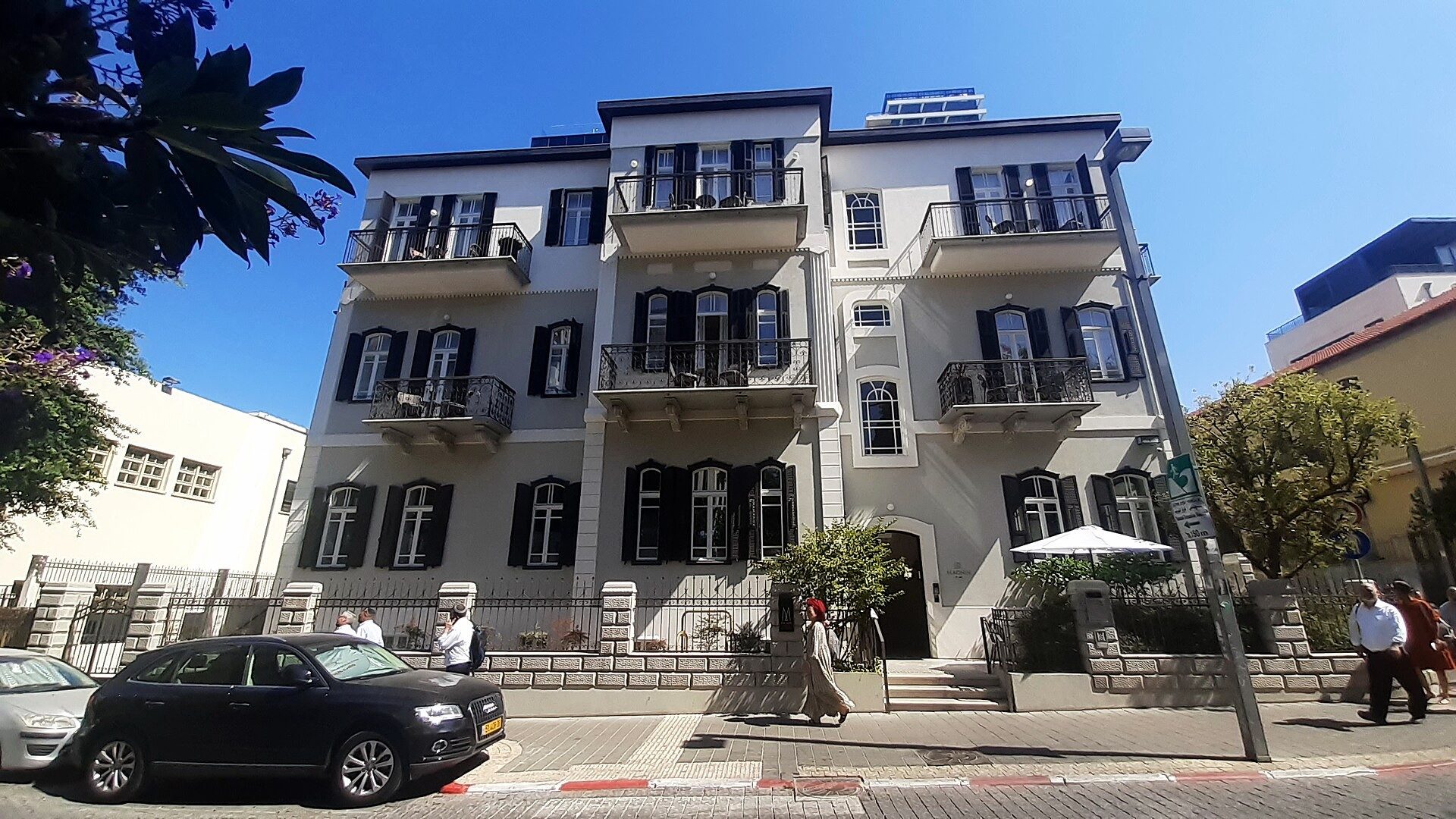
Hospitality operators who watch both Mediterranean shores keep noticing a quiet price and occupancy gap between Cyprus properties and their Israeli counterparts. The pattern is not theory. It shows up in three distinct market pairs where Israeli capital, guest demand, and operating know-how can be matched against Cypriot inventory that still prices below equivalent Israeli assets. Foundation tracks these Cyprus to Israel hospitality arbitrage case studies because the spreads remain wide enough to reward careful buyers yet narrow enough that timing matters.
Why the Two Island Economies Produce Different Room Rates
Cyprus entered the euro zone earlier and carries a tourism brand built on long-haul European packages. Israel runs a high-cost, high-security, high-service hospitality model that prices rooms for domestic and regional travelers who value proximity and reliability. The resulting room-rate differential can reach 30 to 45 percent for comparable four-star inventory when measured on a revenue-per-available-room basis. Currency moves between the euro and the shekel amplify or shrink that gap within a single season, which is why operators monitor the Bank of Israel exchange data alongside booking curves.
Land scarcity on the Israeli coast further lifts replacement costs. New coastal hotels in Tel Aviv or Haifa face multi-year permitting and high construction outlays, while many Cypriot assets still sit on land that was cheaper a decade ago. That cost base difference is the raw material of the arbitrage.
Case One: Limassol Seafront Boutiques Against Tel Aviv Business Demand
A mid-size Israeli group acquired three boutique hotels along Limassol’s old town waterfront in 2021 at roughly €180,000 per key. Parallel Tel Aviv properties of similar quality were trading above €320,000 per key at the same moment. The buyer kept the Cypriot assets under local management but redirected Israeli corporate and leisure traffic through a dual-language booking engine. Occupancy rose from 58 percent to 74 percent within eighteen months because Israeli guests treated Limassol as a short-haul weekend alternative when Tel Aviv rates spiked.
Revenue management was simple: sell the Limassol rooms at a 25 percent discount to Tel Aviv peak rates while still clearing a higher margin than pure Cypriot peers. The same group later applied lessons from How Off-Market Sourcing Creates an Edge in Israel's Supply-Constrained Market when it quietly negotiated an adjacent plot for expansion, avoiding the public auction process that would have inflated the price.
Case Two: Paphos Villa Clusters Serving Haifa Corporate Overflow
Haifa’s growing technology and energy sectors create mid-week lodging demand that sometimes exceeds local hotel supply. An operator responded by leasing and then purchasing a cluster of twelve villas in the Paphos countryside, each with private pools and full kitchens. The villas were rebranded as extended-stay corporate residences marketed exclusively to Israeli firms that need temporary housing for engineers and visiting executives.
Average daily rates landed 40 percent below Haifa five-star hotels yet delivered higher net operating income because staffing and utility costs in Paphos remained lower. Guests flew into Larnaca or Paphos International and used private transfers; the operator later studied Port Logistics Digitization in Haifa: Common Misconceptions Cleared Up to understand how future ferry or cargo links might further cut transfer friction. Insurance for the villa portfolio followed design principles outlined in Insurance Design for Heritage Buildings: Demand Signals Institutions Watch, even though the villas themselves were modern, because several sat inside protected village envelopes.
Case Three: Ayia Napa Nightlife Blocks Versus Eilat Peak-Season Scarcity
Eilat’s winter sun and Red Sea diving create sharp seasonal peaks that push room rates well above €250. Ayia Napa, once known mainly for summer club tourism, still offered mid-tier hotel blocks at acquisition prices near €110,000 per key as recently as 2022. An Israeli family office bought two 80-room properties, renovated the rooms to four-star standards, and reoriented marketing toward Israeli families and diving groups seeking a less crowded winter alternative.
The arbitrage worked because Israeli airlines added winter frequencies and because the buyer could refinance the Cypriot assets using the higher appraised values after renovation. That capital recycling followed the logic of The BRRRR Method Applied to Israeli Real Estate: A Framework for Capital Efficie, adapted to a cross-border setting. Occupancy in the shoulder months climbed once Israeli travel agents listed the properties alongside Eilat inventory, giving guests a genuine price-quality choice.
Tax and Ownership Structures That Keep the Edge Intact
Cross-border hospitality deals live or die on tax efficiency. Israeli investors commonly hold Cypriot hotels through local limited companies or European holding entities that can access double-tax treaties. Foundation readers often consult the detailed comparison in Cross Border Tax Structuring for Tourism Assets: Global Market Comparison before choosing a vehicle. The same analysis shows that withholding taxes on dividends and capital gains can erase the rate arbitrage if the structure is poorly designed.
Regulatory transparency also differs. The Israel Ministry of Construction and Housing publishes clear density and tourism-use rules for coastal zones, while Cypriot municipal approvals can still vary by district. Operators who treat both systems as fixed inputs rather than surprises tend to preserve more of the spread.
Operational Realities That Pure Spreadsheet Models Miss
Staffing remains the largest soft cost. Cypriot labor markets are more elastic for seasonal workers, yet Israeli guests often expect Hebrew-speaking front-desk service and kosher or Israeli-style breakfast options. Successful operators hire bilingual managers and train local teams rather than import entire crews. Food and beverage margins improve once Israeli product lines are added without over-localizing the entire menu.
Port-adjacent redevelopment near Haifa and Ashdod occasionally frees up last-mile sites that can serve as logistics hubs for hospitality groups moving linen, furniture, and food between the two countries. New readers can review practical answers in FAQ: What Should New Readers Know About Port Adjacent Last Mile Redevelopment? before assuming ferry or short-sea routes will automatically lower costs.
When the Gap Closes and How Operators Protect Returns
Arbitrage never lasts forever. Rising Cypriot land values, euro-zone interest-rate shifts, and Israeli supply additions all compress the spread over time. Operators who bought early have already begun to exit selected assets or convert freehold hotels into management contracts that lock in fee income without residual price risk. Others recycle capital into off-market Israeli assets using the same sourcing discipline that originally funded the Cypriot purchases.
International benchmarking from the OECD tourism accounts helps operators decide whether current occupancy and rate trends still justify new capital. When the numbers no longer clear internal hurdles, the smarter move is often to harvest gains and redeploy. Readers exploring further tactics will find additional frameworks inside the Smart Strategies archive and can clarify remaining questions through the site-wide FAQ (frequently asked questions).
Across the three market pairs, the consistent lesson is that Cyprus to Israel hospitality arbitrage rewards operators who treat the two jurisdictions as a single system rather than two separate countries. Price gaps, guest flows, and financing structures interact; ignoring any one of them turns a solid case study into a mediocre investment. The operators who continue to post superior returns are those who keep updating their models with live booking data, currency moves, and regulatory signals instead of relying on last year’s spreadsheet.
Timeless Value. Perpetual Legacy.