Internet of Things (IoT) infrastructure real estate Israel has moved from pilot pilots into everyday commercial reality. Sensors, gateways, and edge processors now sit inside walls, ceilings, and plant rooms of offices, logistics sheds, and mixed-use towers. The physical shell no longer merely houses people; it hosts a dense digital nervous system that must stay powered, cooled, and connected around the clock.
Owners who treat the building fabric as neutral backdrop risk costly retrofits later. Those who plan for device density, cable routes, and power reserves gain tenants who value reliable data flows as much as floor space. Foundation tracks these shifts so readers can judge which properties truly support modern connected operations.
Concrete Shells That Host Device Densities in Urban Cores
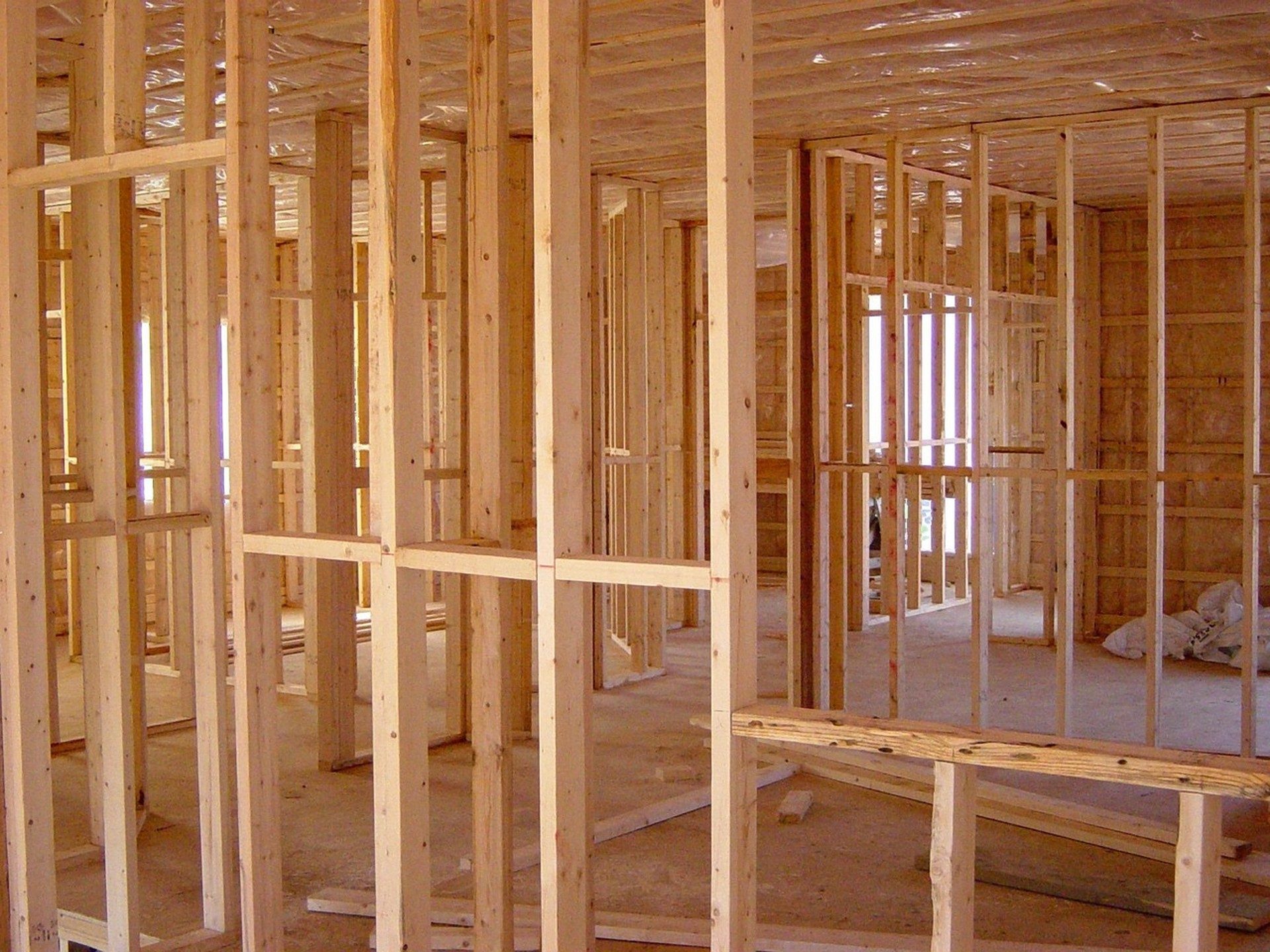
Tel Aviv high-rises and Haifa business parks now carry hundreds of environmental probes, occupancy counters, and asset tags per floor. Each unit draws only milliwatts yet the aggregate load requires dedicated conduit pathways that older concrete frames never anticipated. Structural engineers therefore leave chase ways and spare sleeves during pour stages so later teams can pull fiber or power without drilling load-bearing members.
Core-and-shell projects near major employment zones increasingly specify these voids as standard. Without them, installers resort to surface raceways that mar finishes and complicate future changes. Early coordination between architects and IoT system designers prevents that friction and keeps rentable areas clean for tenants.
Power Reserves Built for Continuous Sensor Streams
Device fleets rarely sleep. They poll networks every few seconds and report status even when rooms stand empty. Traditional office electrical designs sized for lighting and desktops fall short once thousands of always-on nodes appear. Switchboards therefore receive spare capacity, dual feeds, and clean grounding planes that protect sensitive radios from interference.
Battery or generator backup now covers the IoT layer separately from life-safety circuits so monitoring continues during grid events. Property managers who ignore this split discover that partial outages still silence critical telemetry. Spec sheets from the Bank of Israel occasionally reference capital allocation trends that favor such resilient electrical upgrades.
Network Closets Anchoring Building-Wide Connectivity
Every connected floor plate funnels traffic into a handful of secure rooms packed with switches, edge servers, and wireless controllers. These spaces demand precise temperature bands, dust control, and restricted access. Fire ratings and cable-entry seals matter because a single water leak can erase months of collected operational data.
Landlords now allocate extra square meters for these rooms instead of squeezing them into leftover corners. Tenants notice the difference when latency stays low and firmware updates finish without drops. Such planning also appears in discussions of Smart Building Technology Adoption in Israeli Commercial Real Estate where network rooms form the physical backbone of every upgrade cycle.
Heat Management for Hardware Clusters Inside Occupied Floors
Processors and radios generate steady low-level heat that conventional comfort systems were never meant to handle. Localized cooling loops or high-volume air movement around equipment racks keep device cabinets within safe ranges without freezing nearby workstations. Ceiling voids receive extra insulation so heat does not migrate into occupied zones.
Design teams model thermal plumes early because retrofitting after occupancy disrupts tenants and multiplies cost. Buildings that solve this balance retain higher occupancy rates. Readers seeking broader context can consult the Infrastructure Technology archive for related case patterns across the country.
Lease Language That Captures IoT Readiness
Standard commercial leases once listed only square meters, parking ratios, and service charges. Newer drafts add clauses covering conduit ownership, power allocation per device, and data-privacy responsibilities. Landlords retain rights to the building’s shared network fabric while tenants control sensors that monitor their own assets.
Clear wording reduces later disputes when a new gateway needs another amperage draw or a cable tray space. Legal teams reference guidance from the Israel Ministry of Construction and Housing when drafting these technical appendices. Prospective tenants who skip the fine print often discover mid-fit-out that the building cannot accept their planned device count.
Regional Patterns from Coastal Towers to Inland Campuses
Coastal markets face higher humidity that shortens outdoor gateway life, so weatherproof enclosures and corrosion-resistant mounts become standard. Inland sites contend with greater temperature swings that stress battery backups and outdoor radios. Each micro-climate shapes the bill of materials long before construction drawings freeze.
Logistics corridors benefit from robust outdoor mesh networks that track trailers across yards, while pure office towers emphasize dense indoor coverage. The same divergence appears when comparing sites linked by Transportation Infrastructure Behind Israel's Emerging Tech Parks versus freestanding campuses farther from rail. Site selection therefore weighs connectivity potential alongside traditional location factors.
Asset Valuation Through Continuous Performance Data
Appraisers once relied on comparable sales and income statements alone. Connected buildings now supply real-time occupancy, energy intensity, and maintenance response times that feed valuation models. Lenders and investors treat reliable telemetry as a risk reducer because it proves systems function as designed.
International frameworks published by the OECD encourage transparent reporting of such digital performance indicators. Local statistics from the Israel Central Bureau of Statistics already capture broader construction activity that underpins these new data layers. Properties that can demonstrate multi-year device uptime command premium yields in competitive bid rounds.
Integration Points with National Digital Gateways
Building-level IoT systems eventually hand traffic to city and national networks. Landing stations that bring undersea capacity ashore shape how quickly edge data reaches cloud analytics. Owners near high-capacity routes enjoy lower latency and more redundant paths. Those farther inland plan extra on-site buffering to ride out brief backbone congestion.
Projects discussed under Undersea Cable Landing Stations and Israel's Digital Gateway Position illustrate how physical geography still governs digital reach. Similar pressure appears in AI Infrastructure Demand Is Reshaping Israel's Real Estate Map where heavy compute loads compete for the same fiber routes. Real-estate decisions therefore consider both local building readiness and the wider digital map.
Innovation districts further concentrate these advantages. Clusters profiled in Innovation District Real Estate Across Israel's Major Tech Hubs already treat IoT support as baseline infrastructure rather than optional upgrade. Tenants migrating from older stock discover that moving into such districts removes many of the retrofit headaches described above.
Anyone weighing a purchase or lease can start by reviewing practical questions collected in the FAQ (frequently asked questions) section and then follow deeper analysis on the Blog. The difference between a building that merely stands and one that actively supports continuous sensing shows up in both operating costs and long-term asset value. Careful attention to power, cooling, conduit, and lease terms turns ordinary floors into reliable hosts for the devices that now define modern work.
Readers comparing notes on IoT Infrastructure and the Buildings That Support It in in Israel should keep one dated source list and one named owner for updates so the next review of IoT Infrastructure and the Buildings That Support It in does not restart definitions. Article reference israel-109.
If two teams disagree about IoT Infrastructure and the Buildings That Support It in, write the disagreement in one paragraph with the evidence each side trusts before any money language expands around IoT Infrastructure and the Buildings That Support It in. Article reference israel-109.
Related Foundation reading: Foundation World Israel hub.
Timeless Value. Perpetual Legacy.