Innovation district real estate Israel has become a practical phrase for anyone watching where offices, labs, and homes cluster near research talent. These districts mix research institutions, startups, and support services inside compact urban zones rather than on remote industrial parks. Across Israel the pattern appears most clearly in a handful of cities that already draw engineers, capital, and international partners.
Readers new to the subject often ask why location still matters when code can travel anywhere. Proximity still cuts the cost of hiring, collaboration, and last-mile logistics. Land prices, zoning maps, and transport links therefore decide which parcels attract the next wave of multi-tenant towers and which remain parking lots for another decade.
Tel Aviv Yafo’s Dense Corridor of Labs and Lofts
Tel Aviv Yafo concentrates the largest share of private venture capital and software employers. Streets near Rothschild Boulevard, Sarona, and the northern Ayalon corridor now host renovated warehouses and new mid-rise towers that lease floor plates to artificial intelligence and fintech firms. Ground floors often open as cafés or co-working lounges that serve as informal meeting rooms for the entire block.
Rents here set the national benchmark. Investors comparing yields therefore treat Tel Aviv numbers as the high end against which every other hub is discounted. The same density that drives prices also supports public transit upgrades and pedestrian routes that keep car ownership optional for many young professionals. Foreign buyers who plan to spend only part of each year on site should review How Recent Visa and Residency Changes Affect Foreign Property Buyers before committing to a unit intended for personal use plus occasional sub-lets.
Developers increasingly add rooftop solar arrays and battery storage to offset peak electricity charges. Pairing those systems with nearby computing loads follows ideas outlined in Solar Co-Location Strategies for Israeli Data Center Campuses, even when the building itself is not a full data center.
Haifa Bay Science Parks and Residential Spillover
Haifa’s Matam and Tirat Carmel parks sit beside the port and the Technion Israel Institute of Technology. Large multinational research groups occupy free-standing buildings while smaller startups fill multi-tenant shells. Housing demand spills into surrounding neighborhoods because the daily commute remains short enough for families to keep school routines intact.
Port logistics create a second layer of demand for cold storage and last-mile warehouses that sit just outside the pure office zones. Land parcels that can accommodate both clean rooms and modest residential towers therefore command premiums. Local planning committees have begun to allow higher floor-area ratios when a project includes public open space or shuttle links to the train station.
Construction schedules here benefit from early adoption of modular techniques. Readers curious about those methods can explore Construction Automation for Mid Rise Housing: What New Readers Should Know for a non-technical overview of how prefabrication shortens delivery times without sacrificing seismic standards.
Jerusalem’s Dual Identity as Capital and Research Corridor
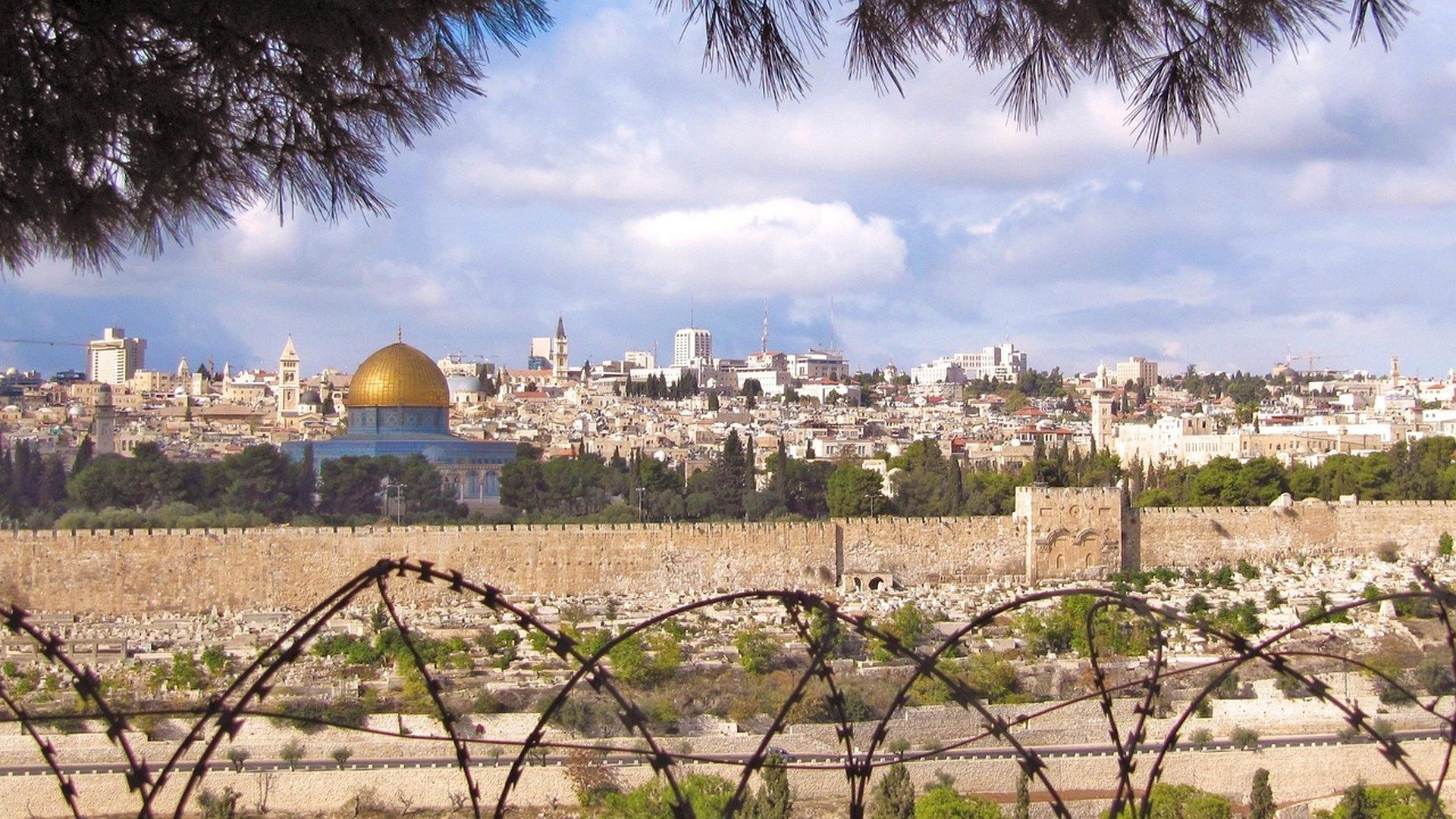
Jerusalem balances government offices with university research and a growing software scene. The Givat Ram and Har Hotzvim areas already host biotech and cybersecurity firms that value proximity to the Hebrew University and Hadassah Medical Center. Mixed-use towers now rise near light-rail stops so that employees can walk or ride rather than drive.
Heritage constraints limit demolition in older quarters, so adaptive reuse of stone buildings has become a specialty trade. Investors who master that craft often achieve lower land costs than pure green-field sites in Tel Aviv. Public data released by the Israel Central Bureau of Statistics show steady population growth in the city’s western neighborhoods, supporting long-term rental demand for studio and two-bedroom units aimed at young researchers.
Energy reliability remains a quiet concern. Campus managers therefore study co-location options for solar generation that can keep server rooms online during grid peaks, an approach already tested in other Israeli technology zones.
Beer Sheva and the Southern Cyber Footprint
Beer Sheva has moved from peripheral city to deliberate cyber and defense technology hub. The Advanced Technologies Park next to Ben-Gurion University of the Negev now houses military and civilian cyber units side by side. Office vacancy rates stay low because new graduates can walk to work and because government contracts provide multi-year occupancy certainty.
Land prices remain lower than coastal markets, so developers can deliver larger floor plates at competitive rents. Residential construction has accelerated on the city’s northern edge, creating a short reverse commute that eases pressure on central roads. Investors evaluating longer holding periods often apply leverage frameworks such as The BRRRR Method Applied to Israeli Real Estate: A Framework for Capital Efficie to recycle equity into successive southern projects.
Cyber-related real estate continues to evolve. Detailed background appears in Cyber Park Development in Israel's Technology Real Estate Landscape, which maps how security requirements shape building design and tenant mix.
Zoning Levers That Open or Close Campus Parcels
Israel’s national planning hierarchy gives the Israel Ministry of Construction and Housing a central role in setting density and land-use categories. Innovation districts typically receive special designations that allow laboratories, light manufacturing, and residential units inside the same super-block. Local committees still control building permits, so early engagement with municipal staff remains essential.
Height limits near airports and historic cores create hard ceilings. In those cases developers shift value into underground parking and high-quality common areas that justify higher rents. When artificial intelligence training clusters appear, they pull demand for power-dense floors and cooling capacity, a shift examined in AI Infrastructure Demand Is Reshaping Israel's Real Estate Map.
Water and sewage capacity can lag behind building approvals. Projects that finance private upgrades sometimes receive density bonuses, turning infrastructure investment into an asset rather than a pure cost.
Capital Sources and Interest Rate Sensitivity
Most commercial loans for innovation district real estate Israel still originate from domestic banks that follow guidance from the Bank of Israel. Rate cycles therefore move acquisition volumes more quickly than equity markets alone would suggest. Foreign limited partners often enter through Israeli real-estate funds that already hold local banking relationships and understand purchase-tax thresholds.
Insurance premiums have risen for properties near sensitive defense sites, yet the same locations attract long-term government leases that stabilize cash flow. Lenders weigh both factors when setting loan-to-value ratios. Smaller private investors sometimes pool capital through limited partnerships that target a single mid-rise tower rather than an entire campus.
Readers seeking broader context on related infrastructure themes can browse the Infrastructure Technology archive for articles that sit at the intersection of buildings, energy, and digital demand.
Signals That Distinguish Durable Assets from Temporary Hype
Occupancy by companies with multi-year product roadmaps remains the clearest quality marker. Buildings that also host university extension programs or government research grants tend to weather economic slowdowns better than pure speculative towers. Transit frequency and last-mile walkability further separate resilient locations from isolated office parks that empty after five o’clock.
Energy performance certificates and water recycling systems now appear in marketing materials because tenants treat utility costs as a variable they can control. Projects that publish those metrics attract ESG-conscious capital and often close leases faster. For remaining practical questions about process or terminology, the site FAQ (frequently asked questions) gathers concise answers that avoid marketing language.
Looking ahead, the same districts that already host software and cyber firms will absorb more life-science and climate-tech tenants. Land that can flex between laboratory and traditional office use will therefore hold value longer than single-purpose shells. Careful attention to zoning updates, transport projects, and talent pipelines will continue to reward owners who treat innovation district real estate Israel as a living system rather than a static asset class.
Timeless Value. Perpetual Legacy.