Luxury rentals in Dubai and Tel Aviv compete for the same global tenants yet rest on entirely different architectural foundations. Dubai favors soaring glass volumes and climate controlled spectacle. Tel Aviv answers with lower profiles, sea light, and concrete forms that age into character. Understanding those choices helps owners, developers, and advisors position units for higher occupancy and stronger rents across both cities.
Investors watching capital flows between the Gulf and the Eastern Mediterranean often compare the two markets side by side. Design decisions become pricing decisions. A facade that feels luxurious in one place can read as dated or overbuilt in the other. This article walks through the concrete architecture and design moves that separate high performing luxury rentals in each location.
How Gulf Glass Towers Differ from Mediterranean High-Rises
Dubai towers push height and reflectivity. Floor plates stretch wide so every unit claims a long horizon line. Curtain walls of low iron glass dominate because the desert sun and open sky reward transparency. Structural cores sit deep inside the plan so exterior walls remain free for views. The result is a clean vertical silhouette that photographs well and signals wealth at a distance.
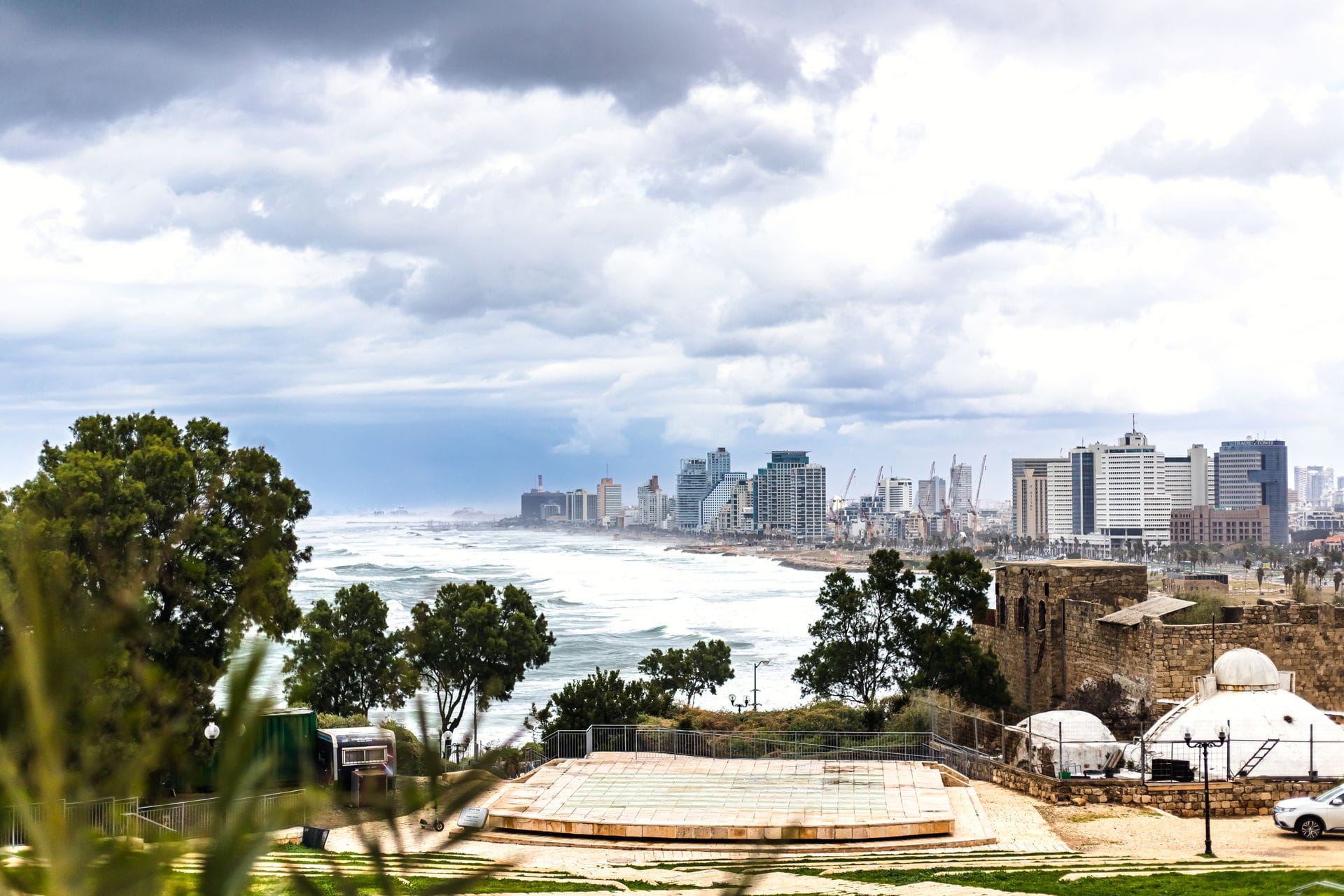
Tel Aviv high rises rarely chase the same skyline drama. Height limits, coastal wind patterns, and dense street grids keep most luxury towers between twenty and forty stories. Balconies become deep outdoor rooms rather than narrow ledges. Concrete and local stone appear more often than full height glass because the Mediterranean climate favors thermal mass over pure transparency. The buildings step back from the street to create terraces that catch the sea breeze.
Tenants who move between the cities notice the difference immediately. A Dubai unit sells the view first. A Tel Aviv unit sells the relationship between inside and outside. Positioning a rental therefore begins with matching the tower type to the tenant’s mental image of luxury.
Facade Materials That Signal Status in Each Market
In Dubai the facade is a branding surface. Polished aluminum, ceramic panels that shift color with the light, and carefully detailed glass fins create a sense of perpetual newness. Maintenance teams clean and reseal constantly so the surface never dulls. That relentless sheen supports premium rents because it photographs for marketing and reassures tenants that the building is meticulously managed.
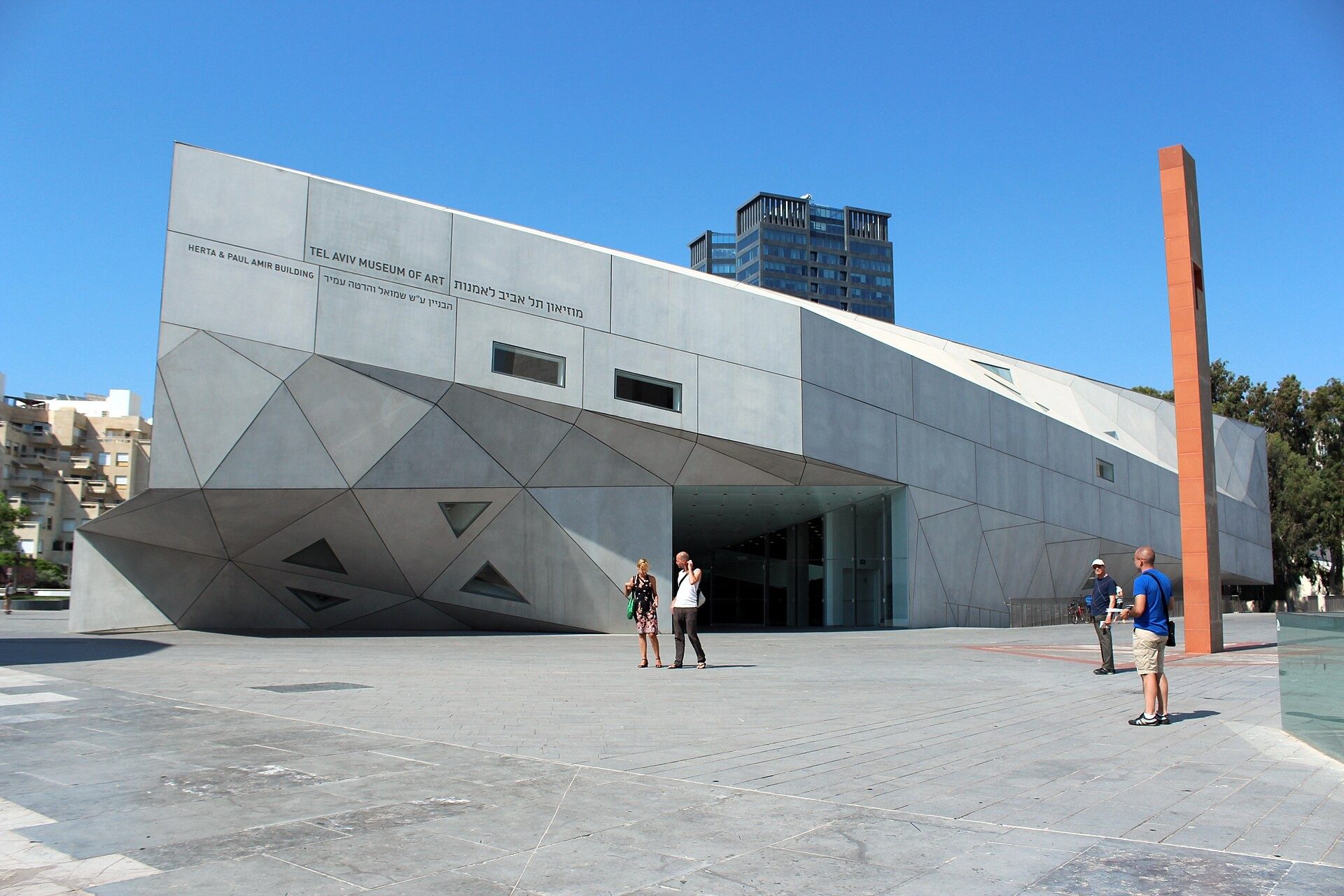
Tel Aviv facades lean toward texture and weathering. Exposed concrete with carefully controlled formwork, local limestone cladding, and bronze or stainless steel accents age into a patina that feels intentional. Designers often leave the structure partly visible so the building reads as honest rather than wrapped. Tenants who value authenticity respond to that approach. A unit behind a carefully aged concrete screen can command higher rates than one behind an imported glass curtain wall that feels generic.
Material choice also affects energy performance and therefore operating costs. Dubai’s reflective skins reduce cooling loads under intense sun. Tel Aviv’s thermal mass and external shading reduce both heating and cooling needs across milder seasons. Owners who ignore climate match risk higher service charges that erode net rental income. Guidance from the Israel Ministry of Construction and Housing increasingly favors envelopes that perform well in Mediterranean conditions, shaping what local lenders and insurers accept.
Interior Layouts Renters Expect When Paying Premium Rates
Luxury renters in Dubai expect large open living zones that open onto outdoor terraces or infinity edges. Kitchens sit as showpieces rather than closed workrooms. Master suites occupy entire corners with dressing rooms that rival boutique hotel closets. Circulation space is generous because the floor plates allow it. The plan feels like a private club suite suspended in air.
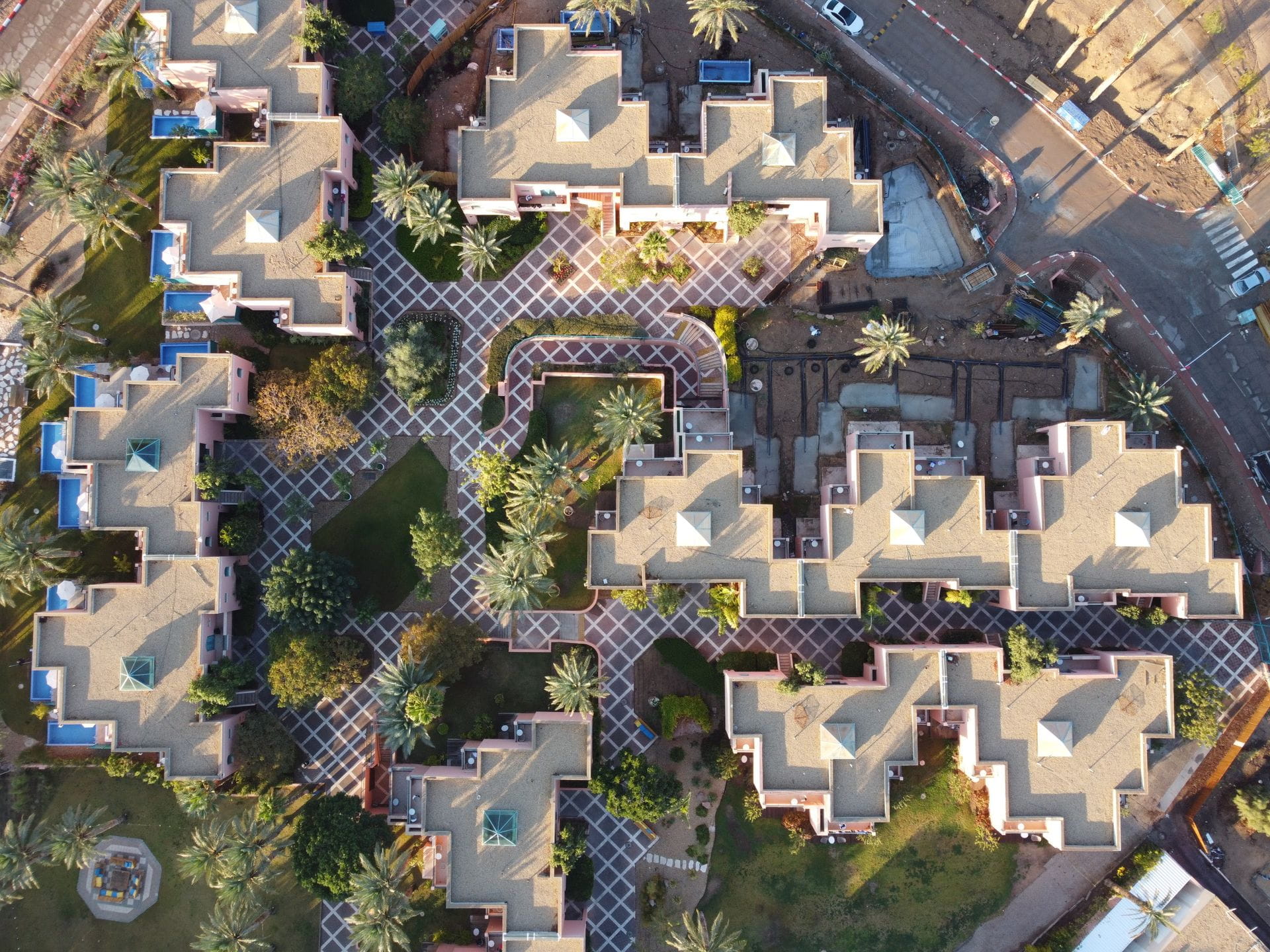
Tel Aviv layouts trade some of that volume for privacy and light control. Many high end units still keep open living areas but insert sliding partitions so residents can carve out quiet work or guest zones. Bedrooms often face the quieter courtyard or street side rather than the full sea front to reduce noise and heat gain. Storage is designed as furniture rather than leftover space because Israeli apartments historically valued every square meter. Tenants moving from Europe or North America find this efficiency appealing once they adjust to the scale.
Successful positioning therefore means studying the target tenant’s previous home. A Gulf based executive may reject a Tel Aviv unit that feels compartmentalized. A European creative may reject a Dubai unit that feels like an airport lounge. Floor plans must be marketed with clear diagrams that show how the space supports daily life, not just square meters.
Climate Responsive Features Shaping Tenant Appeal
Dubai’s extreme heat drives sealed environments. Double and triple glazing, continuous air conditioning, and shaded outdoor pods keep interiors comfortable. Outdoor space is often air conditioned or mist cooled so tenants can use terraces at noon. These systems are expensive to run yet expected. A luxury rental that skimps on climate control loses tenants quickly.
Tel Aviv’s milder seasons reward cross ventilation and external shading. Deep balconies, adjustable louvers, and operable windows let residents choose between mechanical cooling and natural airflow. Many high end buildings now include operable facade elements that tenants control from phones. That sense of agency becomes a selling point. Data from the Israel Central Bureau of Statistics shows rising demand for energy efficient housing among higher income households, reinforcing the value of these features.
Owners who position units for dual market tenants often add hybrid systems. A Tel Aviv apartment might include high performance glazing and a quiet heat pump so it feels familiar to someone arriving from Dubai. The reverse is rarer but appears in newer Dubai projects aimed at Mediterranean buyers who dislike fully sealed towers.
Shared Amenities as Competitive Positioning Tools
Dubai luxury towers compete on amenity scale. Multiple pools, private cinemas, golf simulators, and full spa floors are common. The shared areas feel like five star hotels because many towers are designed by the same teams that build hotels. Tenants treat the building as an extension of their social life. Marketing photographs emphasize the shared spaces as much as the private units.
Tel Aviv buildings usually offer fewer but more carefully curated amenities. A high quality gym with sea views, a well stocked co working lounge, and a rooftop that actually gets used for evening gatherings matter more than sheer quantity. Privacy is valued, so amenity floors are often smaller and more exclusive. Some buildings partner with nearby private clubs rather than trying to replicate every service inside the tower.
Positioning a rental therefore requires clear messaging about what the amenity package delivers day to day. A Dubai tenant relocating to Tel Aviv may need reassurance that the building still offers social infrastructure. A Tel Aviv resident considering Dubai may need proof that the massive amenity floors are actually maintained and not just marketing images. Cross market comparison pages and virtual tours help set expectations. For deeper reading on related investment frameworks visit the Smart Strategies archive.
Regulatory Influences on Design Freedom in Tel Aviv Versus Dubai
Dubai’s freehold zones and master planned communities grant architects wide latitude on height, setbacks, and materials provided the overall master plan is respected. Design review boards focus more on visual consistency within a district than on strict conservation rules. This freedom produces the dramatic silhouettes that define the skyline.
Tel Aviv operates under tighter municipal and national rules. Coastal zones, historic fabric, and seismic codes limit height and massing. The Bank of Israel tracks construction lending carefully, and lenders prefer designs that meet current energy and accessibility standards. Architects therefore work within narrower envelopes and compensate with craft and material quality. The resulting buildings feel more contextual.
Investors who misunderstand the regulatory contrast risk overpaying for designs that cannot be realized or underestimating the cost of compliance. Technical due diligence must include both cities’ approval timelines. One useful parallel appears in port related projects; the checklist in Port Adjacent Last Mile Redevelopment: Technical Due Diligence Checklist illustrates how early regulatory mapping protects capital.
Lighting and Views as Revenue Drivers
In Dubai the night skyline is part of the product. Exterior lighting schemes turn towers into luminous landmarks. Interior lighting is layered and theatrical so units photograph as night time stages. Tenants pay for the feeling of living inside a spectacle. Daylight is abundant but carefully controlled to avoid glare.
Tel Aviv prioritizes natural light and sea horizon. Units that capture morning sun or uninterrupted sea views command clear premiums. Artificial lighting stays warmer and more residential. Designers use deep reveals and light shelves to bounce daylight deeper into the plan. The emotional sell is calm rather than drama.
Both approaches convert into rent differentials. Listing copy and photography must match the lighting strategy. A unit lit like a Dubai penthouse will feel wrong in a Tel Aviv concrete tower and vice versa. Consistent lighting language across marketing and physical reality reduces vacancy periods.
Blending Local Heritage with Global Luxury Codes
Dubai’s heritage references often appear as abstract geometric patterns drawn from Islamic art or as subtle color accents. Pure historic reconstruction is rare in new luxury towers. The goal is cosmopolitan modernism that happens to sit in the Gulf.
Tel Aviv draws more openly on Bauhaus, Brutalism, and local stone traditions. New luxury buildings frequently quote those movements without becoming pastiche. A carefully proportioned concrete frame or a reclaimed stone wall can signal continuity with the city’s architectural story. Global tenants who appreciate place respond positively when the design feels rooted rather than imported.
Capital strategies that move between the two markets benefit from understanding these cultural codes. Scenario work such as Cyprus to Israel Hospitality Arbitrage: Scenario Planning Through 2030 shows how design positioning affects long term cash flows. Similar discipline applies when applying The BRRRR Method Applied to Israeli Real Estate: A Framework for Capital Efficie to value add renovations that must respect local design expectations.
Mixed use assets add another layer. Procurement decisions for lobby materials or facade upgrades fall under governance frameworks like those outlined in REIT Governance for Mixed Use Assets: Procurement and Vendor Selection. Operators of specialized product types, including senior housing, can adapt lessons from Joint Venture Governance for Senior Housing: Technical Deep Dive for Operators when design choices affect both resident experience and investor returns.
Macro context matters too. The IMF Israel country analysis regularly notes housing supply and price pressures that influence what luxury tenants will pay. Design that reduces operating cost or increases perceived uniqueness protects rents even when broader markets soften.
Readers who want practical answers on process and documentation can start with the FAQ (frequently asked questions) and then explore further case studies on the Blog. The architectural dialogue between Dubai and Tel Aviv continues to evolve, yet the core principle remains steady: design that respects climate, regulation, and cultural expectation positions luxury rentals for durable demand.
Related Foundation reading: Foundation World Israel hub.
Timeless Value. Perpetual Legacy.