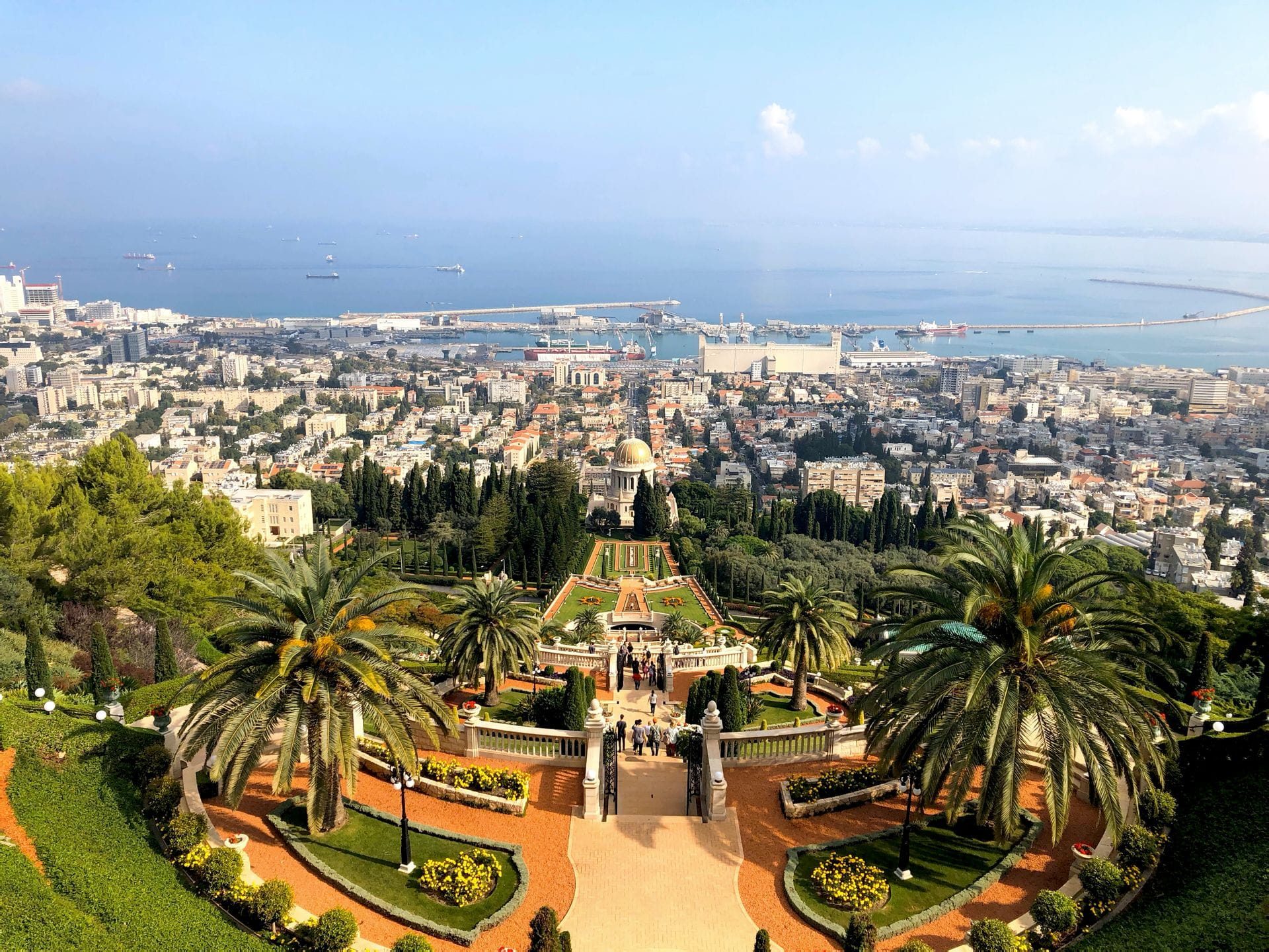
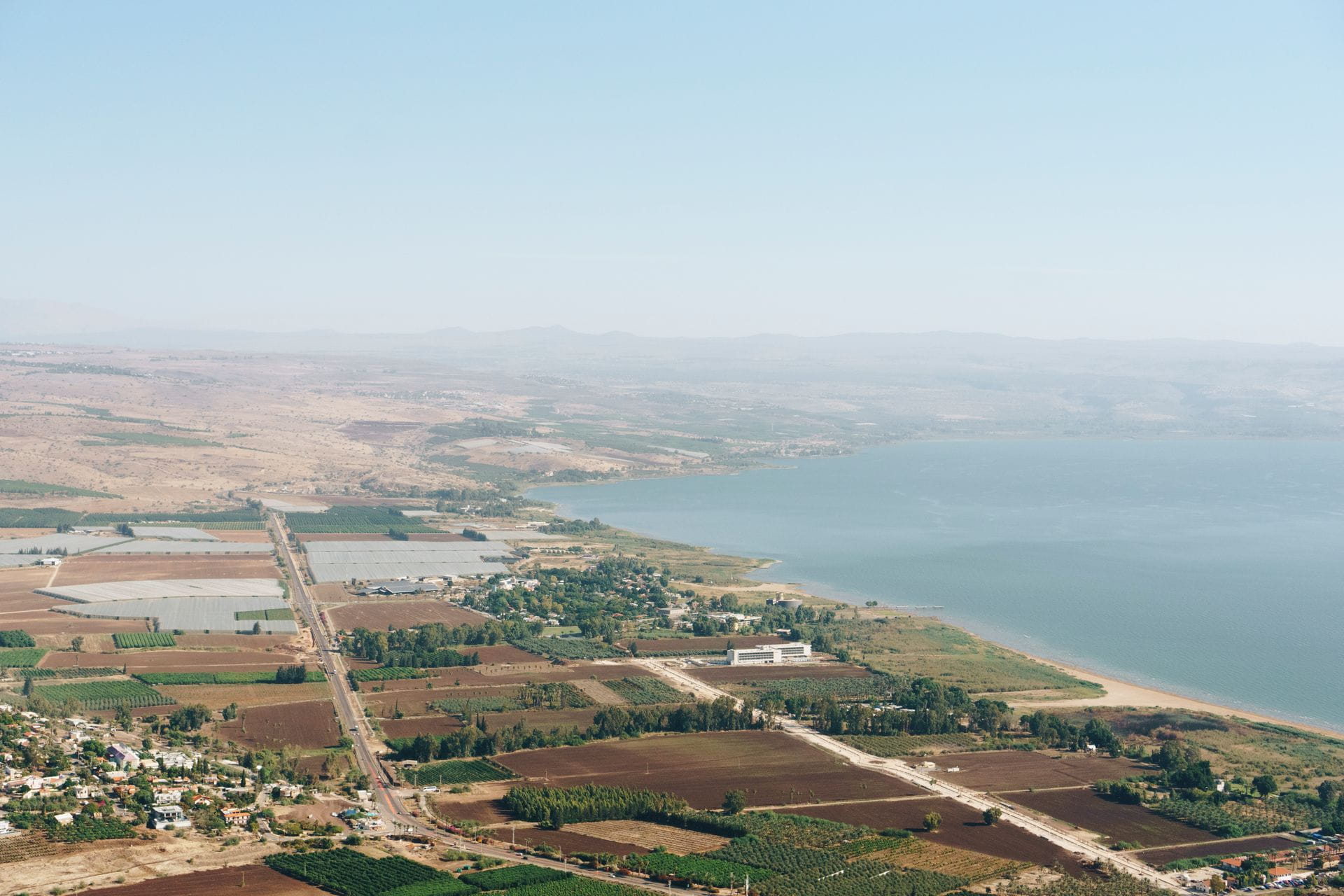
New rules around israel ss hotel climate retrofits guidance are reshaping how owners, lenders, and guests think about lodging stock from Eilat to Haifa. Heat waves last longer. Coastal storms push water farther inland. Energy prices swing with regional demand. Guidance that once sat in technical annexes now sits in underwriting checklists and booking filters. Foundation tracks these shifts so readers can separate lasting value from short cycle noise.
Pressure Points Hitting Israeli Hotel Stock Today
Hotels built before the mid 2010s often rely on single skin envelopes and aging chillers. Summer peaks now force systems past design limits for weeks at a stretch. Guests notice weak cooling and higher humidity. Staff notice rising maintenance tickets. Insurers notice claims patterns that look less like rare events and more like annual baselines. The Israel Central Bureau of Statistics publishes occupancy and energy use series that already show these strains in southern and coastal clusters. Operators who wait for full replacement cycles risk losing share to properties that adapt sooner.
Local authorities add another layer. Zoning and building departments reference updated flood maps and heat island data when reviewing permits for expansions or major works. A lobby refresh that once needed only aesthetic approval can now trigger questions about drainage capacity and roof reflectance. That change alone alters project timelines and capital planning for mid market chains.
Core Elements of the Fresh Guidance Package
Recent documents emphasize three practical clusters: envelope upgrades that cut solar gain, mechanical systems sized for longer extreme events, and water management that handles both drought and sudden deluge. The guidance does not invent new science. It packages known measures into clearer performance targets that lenders and insurers can score. For hotels this means window films, external shading, higher efficiency chillers, greywater loops for landscaping, and elevated critical equipment in flood prone zones.
The Israel Ministry of Construction and Housing materials stress measurement before action. Baseline energy and water audits become the starting ticket for any incentive or preferred rate discussion. Owners who skip that step find financing conversations stall. Those who complete it gain a documented gap analysis that also supports marketing claims about guest comfort and lower carbon intensity.
Cost Shifts Across Heat Flood and Power Rules
Cooling loads dominate energy bills for most Israeli hotels. Guidance that raises minimum efficiency ratings or requires demand response readiness changes the payback math on chiller replacements. Flood elevation requirements add structural and mechanical cost in low lying sites near the Mediterranean or the Dead Sea. Power rules that encourage on site generation or storage open new revenue or resilience paths but demand upfront capital and grid interconnection work.
Macro data from the IMF Israel country analysis reminds investors that tourism remains a meaningful export earner. When hotels cannot keep rooms comfortable or open after storms, the national balance feels the drag. That linkage gives public agencies reason to keep guidance practical rather than purely punitive. Still, the private owner bears first cost. Smart sequencing of works therefore matters more than ever.
Sequencing Envelope Before Mechanical
Reducing heat entry first shrinks the size of new cooling plant needed. Many properties reverse that order and oversize equipment. Guidance now flags that sequence error explicitly. Envelope work also improves daylight control and reduces glare complaints, both of which affect guest scores that drive online rankings.
Priority Upgrades Operators Should Tackle First
Start with measurement and the most exposed rooms. Install or calibrate energy meters by major end use. Map which floors or wings overheat first. Seal and shade those areas before touching the central plant. Next address critical systems that sit below flood levels or on roofs vulnerable to high winds. Only then expand to full property efficiency packages. This staged path keeps cash flow intact and proves savings early to lenders.
Staff training belongs in the same early phase. Housekeeping and engineering teams who understand new controls prevent overrides that erase efficiency gains. Guest facing teams can explain comfort features without overselling. Simple scripts reduce complaint volume during the first extreme weather season after works.
Financing Routes That New Rules Unlock
Preferred loan terms and insurance discounts now attach more clearly to documented resilience measures. The Bank of Israel monitors credit conditions and has highlighted climate risk as a factor that banks should price. Hotels that present audit backed retrofit plans often secure better margins or longer tenors. Some programs also allow partial grants when works exceed minimum code and deliver public co benefits such as reduced peak grid load.
Owners exploring creative capital structures can review approaches described in The BRRRR Method Applied to Israeli Real Estate: A Framework for Capital Efficie. Refinancing after value uplift from resilience works fits that cycle. Related reading in the Smart Strategies archive shows how similar capital efficiency ideas apply across asset classes. For broader context on long horizon capital allocation see also Pension Trustee Reporting Standards: Policy Developments to Watch in 2026.
Market Effects on Guests Rates and Competition
Travelers already filter by air conditioning reliability and sustainability badges. Properties that publish clear retrofit results can command modest rate premiums in peak heat months. Properties that lag may face discounting or higher cancellation rates after storm warnings. Secondary markets that once competed only on price now compete on comfort assurance as well.
Corporate travel buyers and tour operators increasingly request resilience data in tender packages. A hotel group that can supply consistent metrics across its portfolio gains an edge. Independent owners can achieve similar results by joining shared audit platforms or local hotel associations that pool technical expertise.
Coastal Versus Inland Retrofit Differences
Coastal hotels face salt air corrosion plus flood risk. Material choices for cladding and HVAC coils differ from inland sites. Inland hotels in the Negev or Galilee face extreme dry heat and dust that clogs filters and radiators. Guidance documents now separate these exposure classes more cleanly so owners do not buy the wrong package. The OECD collects cross country hotel resilience practices that Israeli operators can adapt without reinventing every detail.
Land use questions sometimes arise when hotels expand outdoor cooling or water features. Readers interested in how zoning shifts can unlock value may find useful parallels in Agricultural Land Reclassification: An Underused Path to Outsized Returns. Governance of family held hotel companies also benefits from clear internal rules; the primer at FAQ: How Do Experts Define Family Constitution and Property Governance? outlines those foundations.
Where Capital and Attention Should Move Next
Investor attention is shifting toward secondary cities with rising domestic tourism and lower land costs for retrofit space. Student and short stay hybrid models in Tel Aviv already show how adaptive buildings capture demand; the comparison at Student Housing Delivery in Tel Aviv: Global Market Comparison illustrates flexible design principles that hotels can borrow. Foundation readers can explore more case material via the main Blog and the practical answers collected in the FAQ (frequently asked questions).
Clear measurement, staged works, and documented results turn climate guidance from a compliance burden into a competitive filter. Hotels that treat the new rules as a market signal rather than a paperwork exercise will protect occupancy and asset value through the next decade of weather extremes.
Timeless Value. Perpetual Legacy.