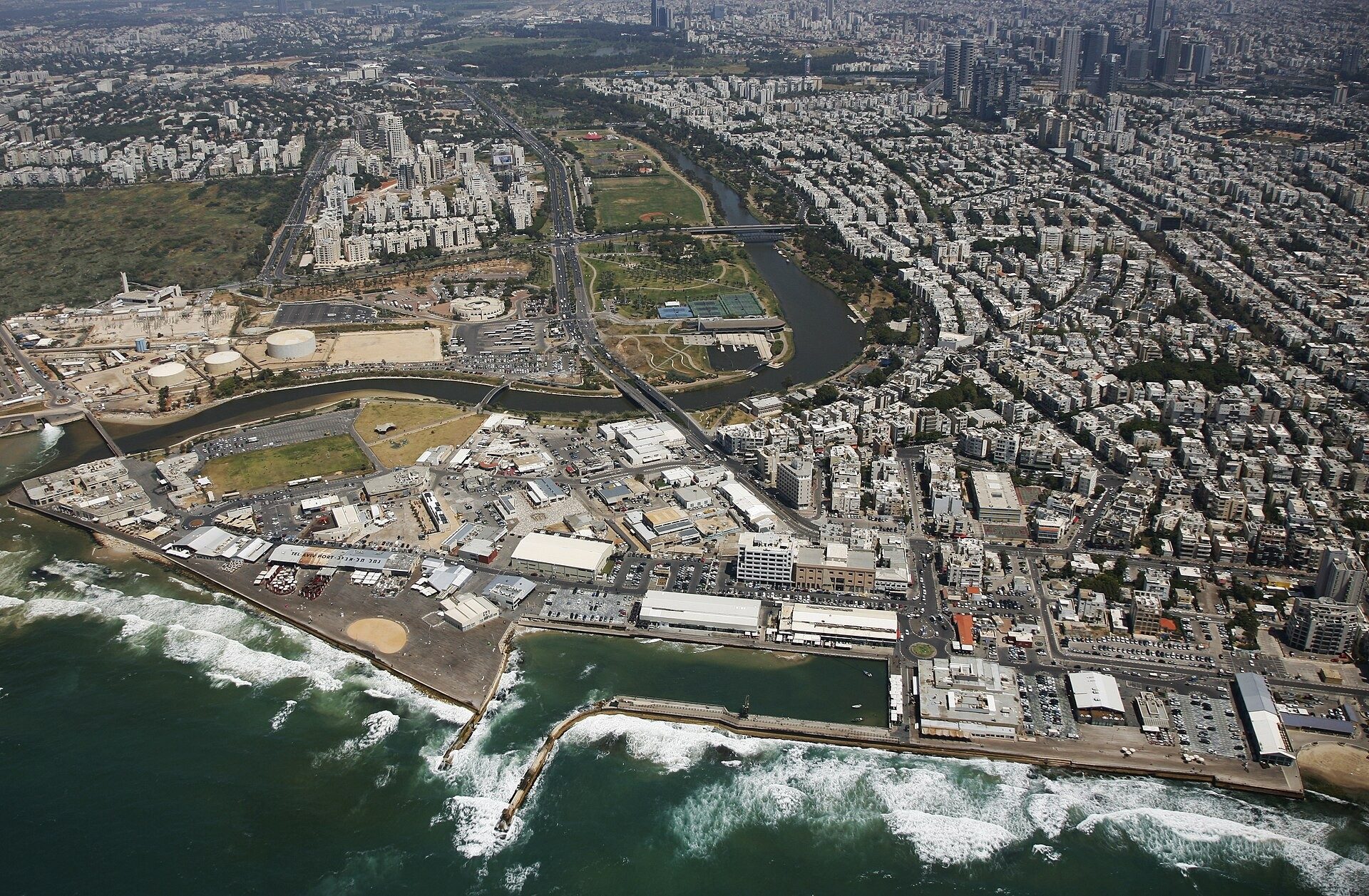
Haifa’s working harbor sits at the edge of a live experiment in how people, skills, and capital move together. Sites next to the port are no longer judged only by crane tallies or berth depth. Investors now test them through a migration and talent corridor lens, asking who will actually live and work nearby and how quickly they can arrive. That shift turns ordinary land due diligence into a wider study of human movement across northern Israel.
Foundation tracks this change because capital that ignores people flows often misprices risk. A warehouse pad that looks cheap on a map can become expensive once skilled labor cannot reach it without long commutes. The reverse is also true: parcels once dismissed as awkward can gain value when a corridor of engineers, logistics managers, and service workers begins to form. The sections below walk through the practical checks that make that corridor visible before money is committed.
Reading the Ground Beside Haifa’s Active Berths
Begin with the physical fabric that borders the docks. Walk the perimeter roads at different hours and note truck queues, rail spurs, and the places where pedestrian cut-throughs already exist. Soil reports matter because reclaimed or industrial fill can hide settlement risk, yet so does the simple question of whether a future tenant can reach a bus stop without crossing four lanes of container traffic. Local planning maps from the Israel Ministry of Construction and Housing show permitted uses, but the street-level reality of noise, dust, and night lighting often decides whether talent will stay past the first year.
Adjacent parcels frequently carry residual industrial rights that look flexible on paper. In practice those rights may limit residential conversion or force expensive buffering. Record every utility easement and every informal path workers already use. Those paths become the first sketch of a corridor. When the sketch is empty, later recruitment costs rise fast.
Who Actually Arrives: Migration Signals Around the Bay
Migration into the Haifa area is not a single wave. It includes internal moves from the center of the country, returnees from abroad, and skilled entrants who choose the north for lower housing stress. The Israel Central Bureau of Statistics publishes district-level population and labor-force tables that reveal which age bands are growing. Pair those tables with school enrollment trends and clinic wait times. A sudden rise in young adult registrations near a port-adjacent neighborhood often precedes demand for flexible workspace and short-term housing.
Watch also the reverse flow. Families that leave for better schools or quieter air quality can thin the local talent pool even while headline population numbers look stable. Site diligence that ignores out-migration will overestimate the ready workforce. Foundation readers who track both directions gain an early warning system that pure price comparables never supply.
Talent Pipelines Linking Campuses to Portside Jobs
Universities and technical colleges feed the corridor more reliably than any single employer. Map the daily bus and train routes that connect lecture halls to the harbor zone. Time the journeys yourself during peak hours. A forty-minute commute that becomes ninety minutes once cargo traffic peaks will push graduates toward other cities. Companies already operating near the port often run shuttle programs; study whether those shuttles are full or half empty. Full shuttles signal demand that a new site can serve. Empty ones signal friction that capital must solve.
Apprenticeship and internship density is another quiet indicator. When firms advertise many short placements but few permanent roles, the corridor is still forming and wages may stay volatile. When permanent openings dominate, the site can support longer leases and higher fit-out costs. Cross-check these patterns against national productivity notes from the OECD to see whether local skill growth matches broader Israeli trends.
Zoning Friction That Quietly Blocks Corridor Growth
Zoning that looks friendly to logistics can still block the housing and services talent needs. Mixed-use permissions often carry height or parking ratios that make mid-rise worker apartments uneconomic. Speak with municipal planners about recent variances granted for dorm-style or co-living projects. If none exist, the corridor will rely on distant stock and daily travel. That reliance raises retention risk for any tenant you hope to attract.
Environmental overlays add another layer. Port-adjacent land may sit inside air-quality or noise contours that restrict residential windows or outdoor space. Confirm the latest contour maps rather than relying on older sales brochures. Capital that underestimates these constraints often discovers them only after design fees are spent. Readers comparing other Mediterranean entry points will find useful parallels in Comparing Cyprus Greece Dubai Entry Routes: Policy Regime Comparison Across Mark, where similar shoreline rules reshape what “adjacent” really means.
Capital Allocation Habits That Shape Site Pricing
Family offices and larger funds already treat northern Israel as a distinct sleeve rather than an afterthought to Tel Aviv. Their allocation notes, summarized in How Family Offices Are Allocating Capital to Israeli Real Estate, show growing interest in assets that sit inside proven labor catchments. That interest compresses yields on well-located parcels and leaves thinner-margin sites for later buyers. Diligence must therefore test not only today’s rent roll but the probability that tomorrow’s talent will still choose the same bus routes.
Debt underwriting follows the same logic. Lenders now ask how quickly a vacancy can be filled by workers who live within a realistic commute. Stress-test assumptions with the questions collected in FAQ: What Should New Readers Know About Debt Service Stress Tests for Mixed Use?. A site that looks strong under base-case absorption can fail once migration slows or a competitor campus opens closer to housing.
Housing Stock That Either Anchors or Drains Talent
Portside jobs need beds within reach. Survey the nearby inventory for price bands that match expected wages. Student-oriented stock in the wider region offers one benchmark; the comparative delivery lessons in Student Housing Delivery in Tel Aviv: Global Market Comparison help frame whether Haifa’s pipeline is keeping pace. Short-stay units can absorb temporary project staff, yet they also face regulatory swings. The elasticity discussion in Regulatory Risk Pricing in Short Stay Rentals: Demand Elasticity Across Peer Hub shows how policy changes can suddenly remove rooms from the talent equation.
Longer-term rentals remain the backbone. Track vacancy and lease-up speeds in buildings that already house logistics and engineering staff. Rising vacancy despite open jobs is a red flag that the corridor is breaking. Falling vacancy with rising rents can justify higher land bids, provided infrastructure keeps up.
Macro Filters That Color Local Corridor Strength
National monetary and fiscal settings still shape local willingness to relocate. The Bank of Israel interest-rate path influences mortgage costs for families considering a northern move. Currency and growth projections in the IMF Israel country analysis help frame whether foreign talent will find the shekel environment inviting. Diligence that ignores these filters can misread a temporary slowdown as permanent site failure, or vice versa.
Local employment data should be read against those national backdrops. A port complex that keeps hiring while the broader economy cools may still support new construction. One that freezes hiring while national growth is strong may signal deeper location problems. Keep both lenses open.
Field Routines That Keep the Israel ITI Haifa Port Diligence Corridor Honest
Schedule repeated visits rather than one ceremonial tour. Morning arrival catches the inbound talent wave; evening departure reveals whether people linger for services or rush home. Speak with café owners and clinic staff about customer origins. Their informal maps often beat published catchment studies. Photograph every informal parking cluster and every place where sidewalks simply end. Those gaps become future capital calls if left unfixed.
Document conversations with existing tenants about recruitment cycles. Ask how many open roles stayed empty last quarter and why. Patterns of refused offers that cite commute time or housing cost are more reliable than glossy labor-market reports. Store the notes so later readers can compare seasons. For ongoing methods and case notes, the Investor Tips Insights archive and the broader Blog collect similar corridor studies. Newcomers can also start with the plain-language answers gathered in the FAQ (frequently asked questions) before diving deeper.
Close the diligence file only after the human corridor feels as tangible as the soil report. When migration paths, campus links, housing reach, and policy filters all point the same way, a Haifa port adjacent site can support durable value. When they conflict, price the conflict openly rather than hoping later tenants will ignore it. That honesty is the core of useful due diligence under a migration and talent lens.
Timeless Value. Perpetual Legacy.