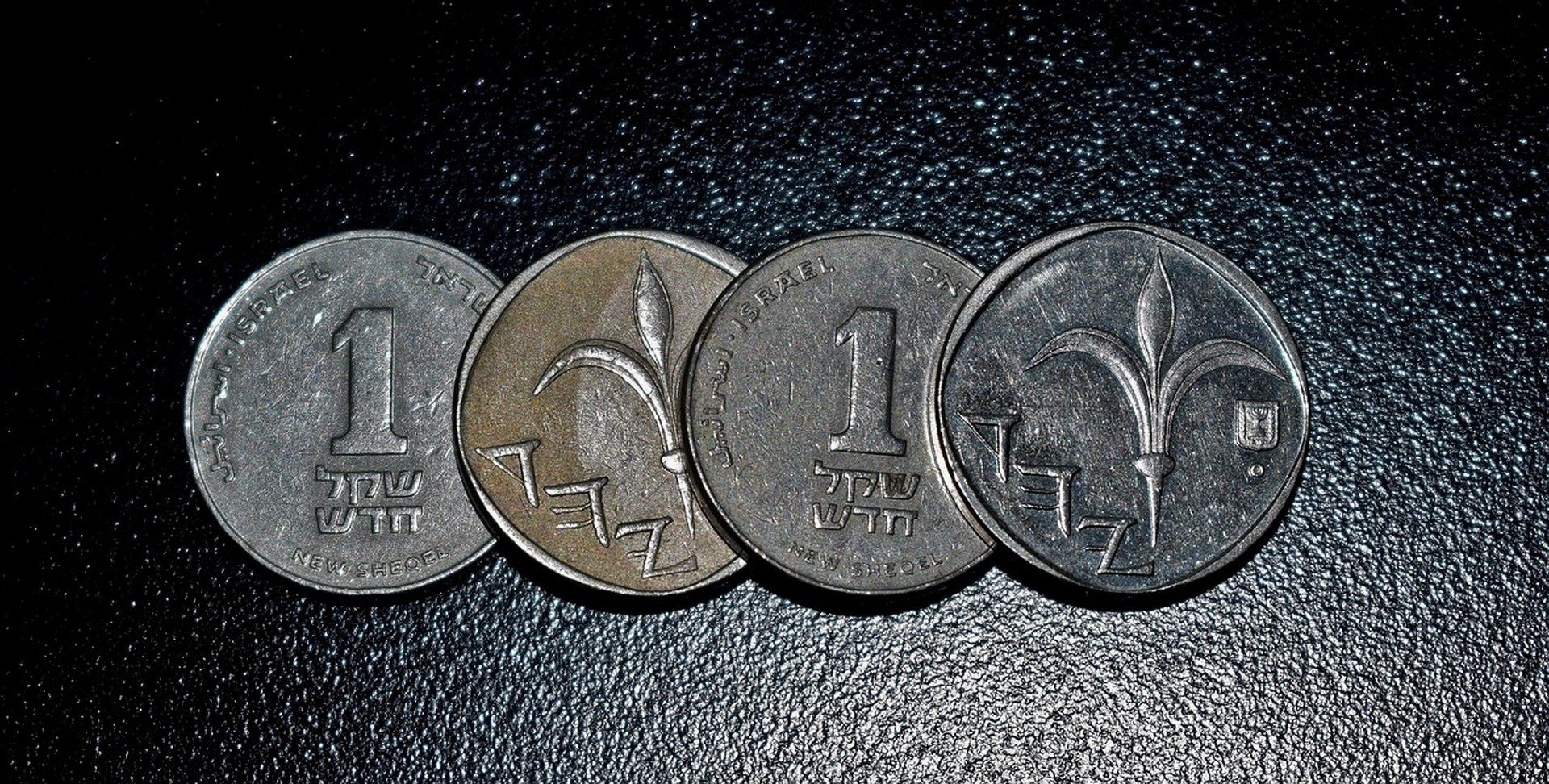
Overseas capital that collects rent in Israeli shekels faces a quiet but persistent currency gap. Monthly inflows denominated in local currency must still satisfy reporting, debt service, or reinvestment needs expressed in dollars, euros, or sterling. Currency hedging for shekel rental cashflows therefore becomes less a theoretical overlay and more a practical discipline of matching city-level income streams to the currencies that matter for each allocator. City pair analysis simply asks which foreign currency sits most naturally opposite a given Israeli rental book and how that pairing should be hedged without erasing the underlying yield.
The practice matters because Israeli residential and commercial rents are overwhelmingly settled in shekels. When the landlord is a family office or fund whose base currency lies elsewhere, every unhedged month introduces translation noise that can dominate the real-estate return itself. Allocators who ignore the gap often discover too late that a strong year of occupancy was wiped out by an adverse move in the shekel. Foundation readers who already track Israeli real estate through the Blog will recognize that the currency layer now sits alongside location and tenant quality as a first-order decision.
Shekel Collections Versus Reporting Currency Needs
Rental cash arrives on the first or fifteenth of each month, usually by bank transfer into an Israeli account. That money must eventually support distributions, loan payments, or new acquisitions denominated in another currency. The mismatch is structural: the tenant pays shekels, yet the investor’s risk committee measures success in dollars or euros. Without a deliberate hedge, the shekel’s daily fluctuations become an uninvited co-investor.
City pair thinking begins by identifying the reporting currency first, then asking which Israeli cities generate the steadiest shekel streams that can be converted into that currency at predictable cost. Tel Aviv office and residential rents, for example, often pair cleanly with dollar books because many of the underlying tenants or owners already price risk in dollars. Secondary cities may align better with euro or sterling books once the volume of cash and the volatility of the pair are both understood.
Tel Aviv Dollar Pairs and High-Frequency Rent Cycles
Tel Aviv produces the densest concentration of shekel rental income in the country. Large multifamily blocks, grade-A offices, and student housing all settle monthly. Allocators whose capital originates in New York or other dollar centers therefore treat Tel Aviv shekels as a natural long position against the dollar. The hedge is typically a series of short-dated forwards that roll every three or six months, matching the rhythm of rent collection rather than the longer life of the building.
Data published by the Israel Central Bureau of Statistics show that Tel Aviv residential rents have grown faster than most other cities over the past decade, yet the shekel, dollar rate has moved independently of that growth. A disciplined allocator therefore hedges the expected net operating income, not the appraised value of the asset. This keeps the real-estate underwriting clean while the currency overlay sits in a separate risk bucket. Readers seeking deeper context on how sophisticated capital approaches the market can review How Family Offices Are Allocating Capital to Israeli Real Estate.
Jerusalem and Eurozone Cashflow Alignments
Jerusalem rents carry a different character. Tourist apartments, institutional housing, and certain commercial leases often attract euro-linked capital, whether from European family offices or funds that report in euros. The city pair here is shekel versus euro. Because Jerusalem lease terms can run longer and turnover is lower, the hedge horizon can stretch beyond one year without creating excessive roll risk.
Forward contracts remain the workhorse instrument, yet some allocators add modest option collars when political or tourism shocks threaten short-term shekel strength. The goal is not to speculate on the shekel but to keep euro-denominated IRRs within a narrow band. Official commentary from the IMF Israel country analysis regularly notes the shekel’s sensitivity to global risk sentiment; that sensitivity is precisely what the euro pair hedge is designed to mute for Jerusalem cashflows.
Haifa Industrial and Sterling Portfolio Bridges
Haifa’s industrial and logistics rents generate steadier, if lower, shekel volumes. These streams frequently sit inside portfolios whose base currency is sterling, especially when the capital is linked to United Kingdom pension or endowment money. The shekel, sterling pair therefore becomes the relevant city pair. Because industrial leases often include annual escalators, the hedge program can be laddered: a core layer of twelve-month forwards covering the base rent, plus shorter top-ups that capture the escalator once it is known.
Allocators who already study cross-border debt structures will find useful parallels in Debt Terms for Student Housing Portfolios: Cross-Border Benchmarking Methods. The same discipline that compares loan covenants across borders can be applied to comparing hedge costs across city pairs. Haifa’s lower rent volatility sometimes allows a higher hedge ratio than Tel Aviv without sacrificing upside participation.
Instrument Choice for Recurring Monthly Shekel Receipts
Forwards dominate because they are simple, liquid, and match the monthly cash arrival. Options cost premium and are used mainly when the allocator wants a floor under the converted cash without giving up all participation if the shekel strengthens. Swaps appear only when the rental book is large enough and long enough to justify a multi-year fixed conversion rate. Most mid-sized books never need them.
The Bank of Israel publishes the interest-rate differential that drives forward points; that differential, rather than any view on the shekel’s direction, should set the expected cost of hedging. An allocator who treats the forward points as a known expense, similar to property tax, will make clearer decisions than one who hopes the shekel will move in a favorable direction. Further practical notes on risk management appear in the FAQ (frequently asked questions).
Volatility Differences Across Israeli Rental Bases
Not every city produces the same currency risk profile. Tel Aviv rents are high-frequency and relatively liquid; a sudden shekel move can be absorbed by rolling hedges quickly. Secondary cities produce lumpier cashflows, so a single large lease expiry can leave the hedge over- or under-sized for several months. City pair analysis therefore includes a volatility ranking of the underlying rental streams before the currency pair is even chosen.
The OECD tracks broader economic indicators that help explain why some Israeli cities show more stable tenancy than others. Those tenancy patterns feed directly into the confidence an allocator can place in a multi-year hedge ratio. When occupancy is predictable, higher hedge ratios become rational. When turnover is high, a lower ratio or more frequent rebalancing is safer.
Matching Hedge Tenors to Lease and Debt Cycles
Lease renewals and debt maturities create natural reset points. A five-year lease that re-prices every two years suggests a hedge stack that rolls at the same interval. Likewise, a floating-rate shekel loan that converts to a dollar obligation at maturity requires a hedge that lengthens as the conversion date approaches. City pair analysis therefore sits inside the broader capital stack rather than floating free as a pure currency trade.
Student housing portfolios in particular illustrate the point. Occupancy is academic-year driven, yet debt is often multi-year. The comparison of delivery models in Student Housing Delivery in Tel Aviv: Global Market Comparison shows how lease structures differ by city; those differences should dictate hedge tenor. Allocators who ignore the calendar risk end up with hedges that expire just when cashflow uncertainty peaks.
Data Sources That Anchor City Pair Decisions
Reliable inputs matter more than clever structures. Rental indices, occupancy surveys, and construction pipelines published by the Israel Ministry of Construction and Housing give the real-estate side of the equation. Central-bank forward points give the currency side. Together they allow an allocator to set a hedge ratio that is neither reckless nor overly timid.
Specialized asset classes such as research campuses add another layer. The growth of that segment is examined in R&D Campus Real Estate: A Growing Israeli Asset Class; those campuses often sign longer leases with creditworthy tenants, which in turn support longer and larger hedges. Connecting the asset story to the currency story is how city pair analysis moves from spreadsheet exercise to durable policy.
Capital that already moves along the New York capital corridor can use the same framework to decide whether a new shekel book should sit inside an existing dollar hedge program or receive its own dedicated overlay. The decision is rarely all-or-nothing; partial hedges that cover 60, 80 percent of expected net cashflow often strike the best balance between protection and residual upside. Further reading on related techniques is collected in the Investor Tips Insights archive.
Currency hedging for shekel rental cashflows succeeds when it stays boring. City pair analysis supplies the map: Tel Aviv with dollars, Jerusalem with euros, Haifa with sterling, and every other city matched according to the actual reporting currency of the capital involved. Instruments stay simple, tenors follow lease and debt calendars, and official data keep the ratios honest. The result is an Israeli real-estate return that can be reported and reinvested without the shekel’s daily noise dominating the story. That is the practical outcome allocators seek when they treat currency as a managed cost rather than an unmanaged surprise.
See also New York capital corridor.
Related Foundation reading: Water Security Upgrades for Buildings: Benchmarks for Analysts and Rep.
Timeless Value. Perpetual Legacy.