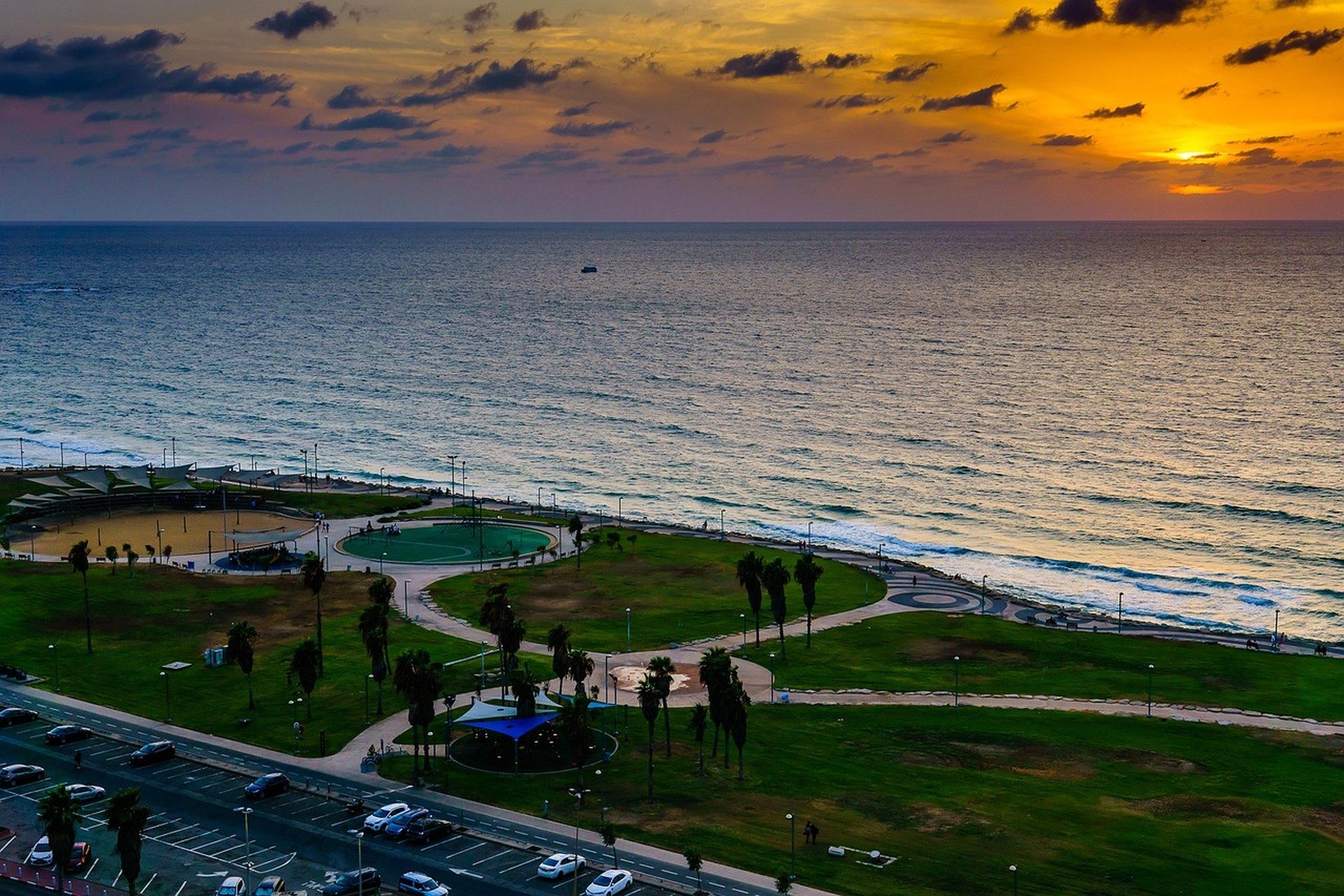
Coastal buildings in Israel face a quiet pressure that concrete alone cannot solve. Salt laden air, higher water tables after winter storms, and warmer nights all leave traces that smart sensors can catch early. Owners and facility teams who track the right signals reduce surprise repairs and keep tenants safer. This piece walks through those signals in plain language so any adult can follow the logic without engineering training.
Salt Laden Breezes and the Load They Place on Facades
Mediterranean winds carry fine chloride particles that settle on balconies, window frames, and exterior cladding. Over months the particles attack steel reinforcement and aluminum joints. Sensors that measure surface conductivity and air salinity give early warning before rust becomes visible. In cities such as Haifa and Ashdod the same wind patterns also push humid air into underground parking levels. Moisture sensors placed at floor drains and wall bases detect that intrusion while it is still reversible. Ignoring these readings lets small problems grow into costly concrete spalling that forces partial closures.
Local climate records show that average humidity near the coast stays high even in summer. The Israel Central Bureau of Statistics publishes long term temperature and precipitation series that help building managers set realistic thresholds. When a sensor reports conductivity rising faster than the seasonal norm, maintenance crews can schedule washing and protective coatings before damage spreads. That habit turns data into ordinary housekeeping rather than emergency spending.
Temperature Swings That Stress Structural Joints Overnight
Nighttime cooling followed by rapid morning heating expands and contracts metal and glass at different rates. Expansion joints and sealants age faster under this cycle. Thermal sensors mounted at joint locations and on curtain wall frames capture the daily range and flag days when the swing exceeds design assumptions. Coastal towers in Tel Aviv often experience sharper swings because of sea breeze effects after sunset. Capturing those peaks lets teams inspect sealant integrity on a measured schedule instead of waiting for leaks.
Teams that also watch indoor humidity near the same joints can spot condensation risk. Condensation invites mold and weakens adhesives. Simple paired sensors for temperature and relative humidity cost little yet prevent indoor air quality complaints that later affect lease renewals. Readers who want a wider view of how technology reshapes property maps can explore AI Infrastructure Demand Is Reshaping Israel's Real Estate Map for related context.
Water Level and Soil Moisture Clues Beneath the Slab
Rising groundwater or storm water that lingers against foundations creates hydrostatic pressure. Piezometers and soil moisture probes installed during construction or retrofitted through access pits report pressure changes in real time. In low lying coastal zones even modest sea level rise can lift the water table enough to threaten basements and elevator pits. Early alerts allow pumps to run before flooding reaches critical equipment.
The OECD has published guidance on climate resilient infrastructure that stresses the value of continuous monitoring rather than one time studies. Israeli coastal projects benefit from that same principle. When soil moisture stays elevated for days after rain, drainage redesign or French drains become rational next steps instead of speculative upgrades. Such measured responses protect both structural integrity and insurance premiums.
Corrosion Rates That Outpace Visual Inspections
Half cell potential sensors and linear polarization resistance probes measure the electrochemical activity of embedded steel. These devices reveal active corrosion long before rust stains appear on surfaces. Coastal parking garages and marine facing columns are prime locations because splash and spray zones accelerate chloride penetration. Tracking the rate of change matters more than any single absolute reading.
Facility managers sometimes misread a temporary spike after a heavy storm as permanent failure. That is one common source of israel it coastal adaptation sensors misreads that inflate repair budgets. Cross checking against weather data and repeating the measurement after the concrete dries usually clarifies the picture. The Israel Ministry of Construction and Housing encourages risk based maintenance that favors this kind of measured verification over blanket replacement programs.
When Sensor Alarms Point the Wrong Direction
False positives waste labor and breed distrust. A vibration sensor near a busy coastal road may register truck traffic as structural movement. A humidity probe placed too close to a kitchen exhaust can report phantom moisture. Calibration schedules and placement audits reduce these errors. Training staff to ask whether the reading matches independent weather and tide data further cuts misinterpretation.
Another frequent mistake is treating every high reading as an immediate capital project. Sometimes cleaning the sensor housing or adjusting its threshold restores normal operation. Documenting each incident builds an internal library of typical false patterns for that specific building. Owners who share anonymized lessons with peers through professional groups strengthen the whole market. For planning tools that already capture demand signals from municipalities see E Permit Platforms for Municipal Planning: Demand Signals Institutions Watch.
Portfolio Scale Views That Turn Points into Patterns
Single building dashboards are useful, yet owners of multiple coastal assets gain more by comparing sites. Digital models that ingest sensor streams can highlight which assets face faster chloride accumulation or more frequent water table rises. That comparison guides capital allocation toward the highest risk locations first. Curious readers can gain a quick orientation from Digital Twin Models for Housing Portfolios: Fast Orientation for Curious Allocat.
Linking sensor data to occupancy and revenue figures also clarifies return on adaptation spending. A hotel facing the sea may justify denser sensor arrays because downtime hurts room nights more than a residential tower loses rents. Operators weighing hospitality shifts can consult Hospitality Repositioning in Jerusalem: What New Readers Should Know for parallel thinking even though the geography differs.
Funding Signals and Institutional Attention on the Shore
Adaptation hardware appears in capital plans only when lenders and insurers understand the risk reduction. The Bank of Israel monitors credit conditions that influence how easily developers finance sensor equipped renovations. Clear documentation of tracked metrics improves conversations with underwriters. The IMF Israel country analysis likewise notes that climate resilience supports longer term macroeconomic stability, giving owners an external reference when they present upgrade cases.
Geopolitical shocks sometimes distract from slow climate pressures, yet Israeli real estate has repeatedly absorbed both. Owners who want that larger resilience story can read Geopolitical Resilience: Why Israeli Real Estate Keeps Absorbing Shocks. Combining climate sensor discipline with broader shock absorption keeps portfolios functional across cycles.
Where Further Practical Guidance Lives Online
Anyone seeking more technical depth or case examples can browse the Infrastructure Technology archive for related articles. Common questions about measurement intervals, sensor longevity, and data ownership appear in the FAQ (frequently asked questions). Fresh commentary and market notes continue on the main Blog. Together these resources help non experts stay current without needing specialist degrees.
Climate adaptation sensors succeed when their signals are read with context rather than alarm. Coastal building teams that calibrate carefully, compare sites, and act on verified trends protect both structures and budgets. That steady practice turns environmental pressure into manageable routine work.
Readers comparing notes on Climate Adaptation Sensors for Coastal Buildings Signals in Israel should keep one dated source list and one named owner for updates so the next review of Climate Adaptation Sensors for Coastal Buildings Signals does not restart definitions. Article reference israel-239.
Timeless Value. Perpetual Legacy.