Israel's life sciences corridor stretches roughly from Rehovot through the coastal plain and into the greater Tel Aviv and Haifa belts, and demand for specialized laboratory floors has turned ordinary industrial sites into sought-after assets. Investors who once chased generic warehouses now study clean-room grades, vibration limits, and biosafety classifications. This piece explains how biotech lab real estate Israel is expanding, what physical and policy factors matter, and where the next wave of construction is likely to appear.
Coastal Strip Momentum That Pulled Labs Southward
Early clusters formed around university spin-outs and hospital research wings. Over the past decade those small groups outgrew converted basements and began seeking larger contiguous floor plates with dedicated air-handling systems. Coastal municipalities responded by reclassifying light-industrial plots, allowing higher floor-to-floor heights and heavier floor loads. Developers noticed that proximity to existing talent pools reduced recruitment friction, so new shells rose closer to train stations and intercity bus routes rather than remote industrial estates.
Market data published by the Israel Central Bureau of Statistics show employment in biological and pharmaceutical manufacturing rising steadily even during periods of broader economic caution. That employment growth feeds direct demand for wet-lab and dry-lab suites. Land-price pressure has followed, a pattern visible in the overview of Land Price Trends Across Israel's Growth Corridors. Sites that once sat idle now trade at premiums justified by the scarcity of parcels already zoned for laboratory use.
Shell Specifications That Separate True Labs from Ordinary Offices
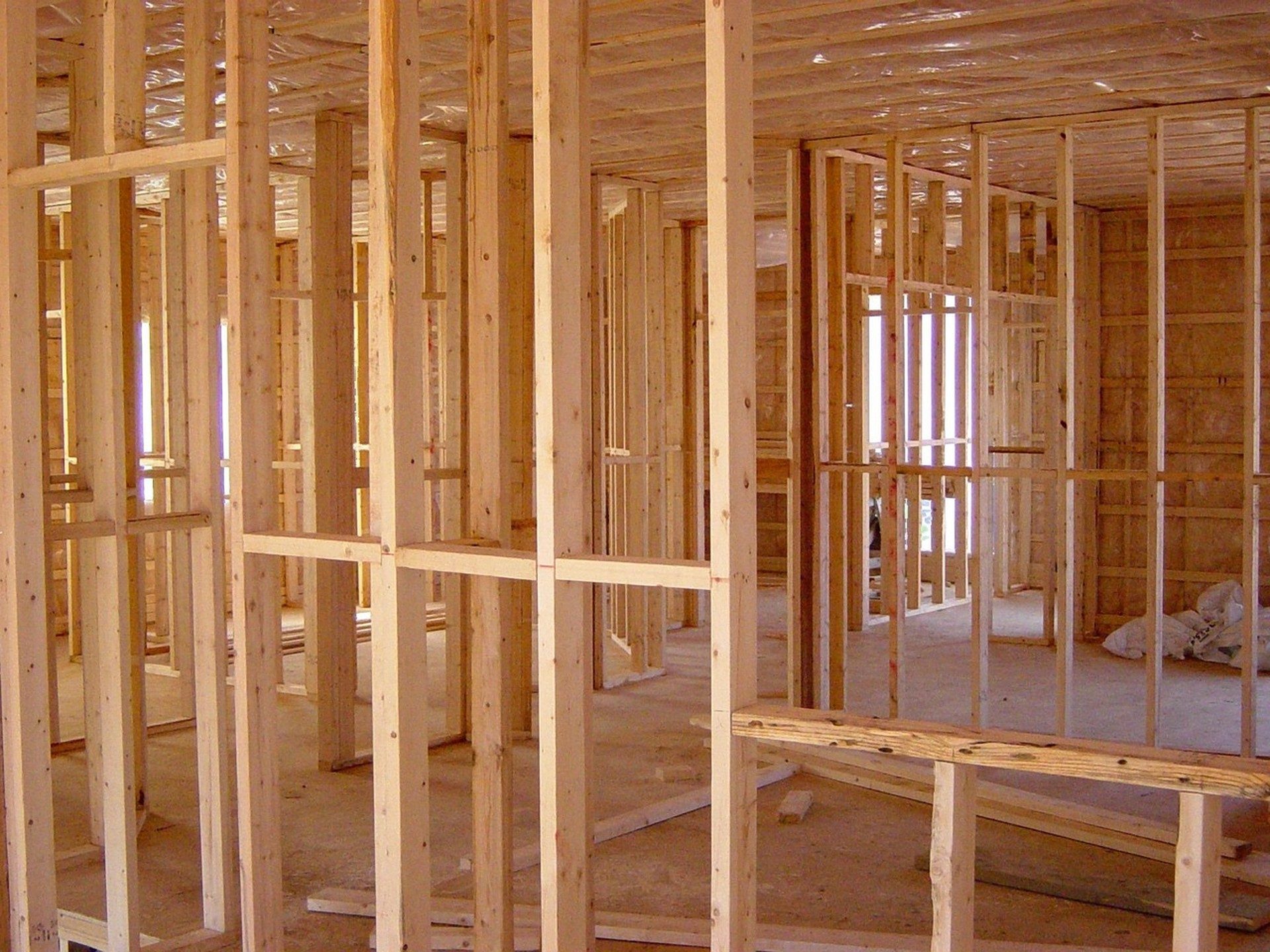
Ordinary commercial floors cannot host centrifuges, fume hoods, or cold-storage banks without costly retrofits. Purpose-built biotech lab real estate Israel therefore begins with structural grids that accept point loads of several hundred kilograms per square metre, though designers avoid quoting that phrase in marketing materials and instead emphasize flexibility. Ceiling heights of at least four metres allow ductwork and service corridors above suspended ceilings. Separate risers for purified water, medical gases, and chemical waste become non-negotiable once a tenant list includes diagnostics or cell-therapy firms.
Smart controls further differentiate the asset class. Sensors that monitor temperature drift, particulate counts, and pressure cascades reduce the risk of batch failures. Many owners now reference the wider trend of Smart Building Technology Adoption in Israeli Commercial Real Estate when they pitch lower operating costs to prospective tenants. Those systems also generate the continuous data streams required by regulators inspecting good-manufacturing-practice compliance.
Agricultural Land Conversion Windows Opening Near Existing Clusters
Recent regulatory adjustments have loosened restrictions on certain agricultural parcels that sit adjacent to established science parks. The shift creates a narrow but real opportunity for developers willing to navigate planning committees. Details appear in the analysis of the Policy Shift on Agricultural Land Use Creates a New Window for Investors. Conversion remains subject to environmental impact studies and infrastructure contributions, yet the possibility of assembling larger contiguous sites has already attracted capital that previously stayed on the sidelines.
Local planning boards often require that a portion of any newly permitted floor area serve public research or incubator uses. That condition can lower effective land cost for private laboratory wings while ensuring the corridor retains its collaborative character. Observers tracking broader capital flows consult the IMF Israel country analysis to gauge how fiscal space for infrastructure incentives may evolve in coming budget cycles.
Utility Capacity as the Silent Gatekeeper of Project Feasibility
Laboratory loads for electricity and water exceed typical office demand by several multiples. Grid upgrades and dedicated substations therefore appear early in development timelines. Cooling towers, backup generators, and purified-water plants add both capital cost and footprint. Projects that ignore these requirements face delayed occupancy certificates and frustrated tenants.
Parallel growth in data-intensive industries has tightened competition for reliable power. Readers interested in that intersection can explore how AI Infrastructure Demand Is Reshaping Israel's Real Estate Map. The same substations that serve server halls can, with proper planning, also support high-density lab clusters, yet sequencing remains delicate. Guidance from the Bank of Israel on credit conditions for infrastructure lending helps developers judge whether bank financing will keep pace with utility lead times.
Hospital Adjacency and the Pull of Clinical Translation
Major medical centers act as magnets. When a teaching hospital expands its clinical-trial capacity, nearby landlords see inquiries for Phase-I and Phase-II laboratory suites. Proximity shortens the journey from bench discovery to first-in-human dosing, a timeline advantage that sponsors value highly. Developers therefore bid aggressively for residual land around hospital campuses even when raw construction costs appear elevated.
Academic partnerships also influence design standards. Shared imaging cores or high-throughput sequencing halls sometimes occupy part of a private building in exchange for discounted rent on other floors. Such hybrid arrangements appear more frequently in Israeli projects than in many peer markets, reflecting the compact geography of the corridor. For comparative policy context, the OECD publishes regular assessments of innovation ecosystems that place Israel among the more research-intensive economies.
Transport Nodes That Keep Samples Moving Overnight
Cold-chain logistics reward short travel times between laboratory, airport cargo terminal, and seaport. The Haifa and Ashdod ports, together with Ben-Gurion Airport's specialized freighter services, allow same-day export of biological samples under controlled conditions. Sites within a forty-minute drive of these gateways therefore command rent premiums. Road upgrades and dedicated truck lanes further improve reliability during peak hours.
Some newer parks incorporate on-site packaging rooms and secure temporary storage so that couriers can load without re-entering public roads. Those micro-amenities reduce handling risk and have become selling points in lease negotiations. Investors reviewing the wider technology overlay often consult the Infrastructure Technology archive for case studies of similar logistics-sensitive assets.
Capital Structures Suited to Long Fit-Out Cycles
Laboratory fit-outs can take twelve to eighteen months after base building handover. Lenders and equity partners must underwrite that delay. Preferred structures frequently blend construction loans with longer-term mezzanine pieces that refinance once the first major tenant occupies. Government-backed guarantee schemes occasionally lower interest spreads for projects that meet certain employment or export targets.
The Israel Ministry of Construction and Housing publishes guidance on permitted uses and contribution requirements that lenders incorporate into their due-diligence checklists. Meanwhile, emerging demand from adjacent deep-tech fields, including early quantum facilities, adds another layer of complexity. An early survey of that niche appears under Quantum Computing Infrastructure: An Early Look at Israeli Real Estate Demand, illustrating how infrastructure competition can spill across sectors.
Occupancy Signals and the Outlook for Additional Supply
Vacancy rates for genuine laboratory space remain low relative to general industrial stock. Pre-leasing of large blocks before ground-breaking has become common, reducing speculative risk for developers. Smaller suites turn over more frequently as start-ups expand or fail, creating a secondary market for partially fitted modules. Owners who maintain modular partitions and plug-and-play utility stubs capture that turnover more easily.
Readers seeking practical answers to lease clauses, zoning definitions, or valuation methods can visit the Foundation FAQ (frequently asked questions). Ongoing coverage of corridor developments, including interviews with facility managers and planning consultants, appears regularly on the Foundation Blog. Together these resources help non-experts track how biotech lab real estate Israel continues to evolve without requiring specialized industry jargon.
The corridor's growth rests on a combination of scientific output, land-use flexibility, and infrastructure readiness. Projects that align structural design with realistic utility capacity and tenant expansion paths are the ones most likely to retain value across market cycles. Careful attention to those fundamentals, rather than short-term fashion, underpins durable performance for both occupiers and capital providers.
Related Foundation reading: Foundation Ukraine and How New York Investors Are Sourcing Deals in Tel Aviv.
Timeless Value. Perpetual Legacy.